
Ultralight Backpacking Checklist: What to Pack and What to Skip
Build a lighter backpacking kit with a practical checklist for essential gear, optional items, and weight-saving cuts that do not compromise safety.
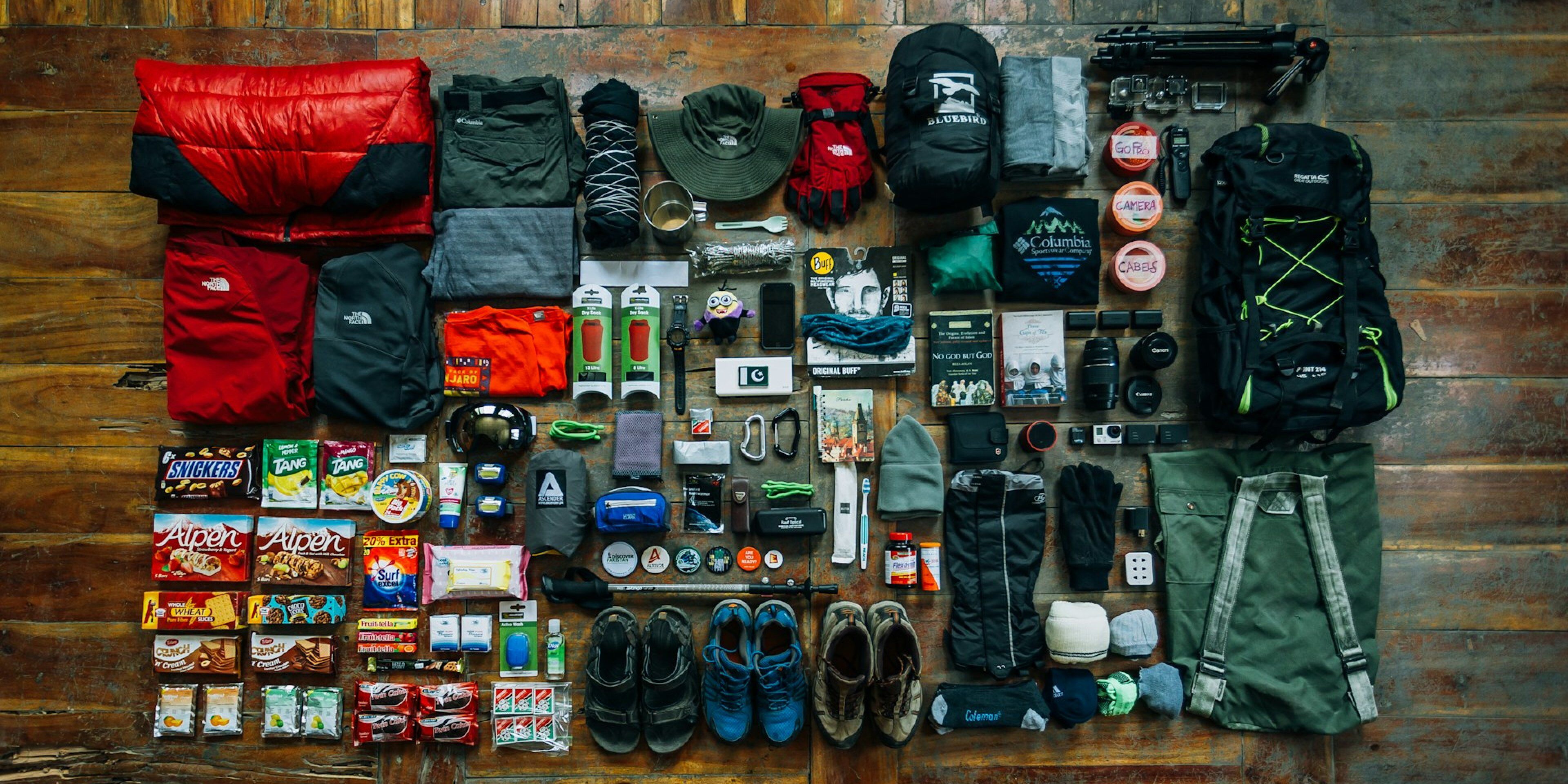
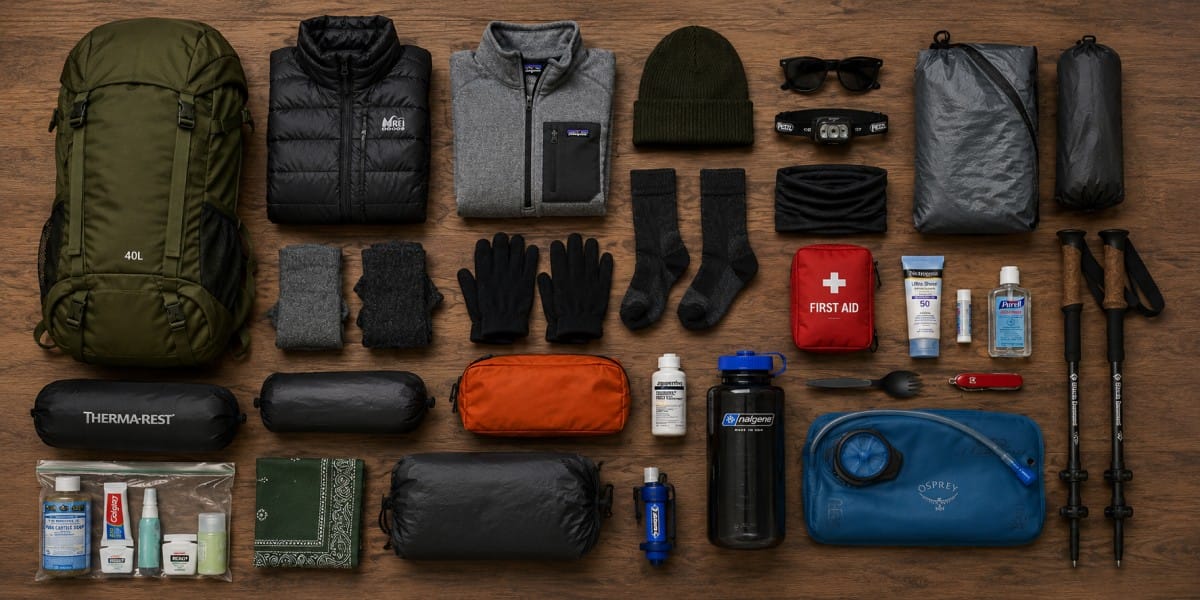
An ultralight backpacking checklist should start with shelter, sleep system, pack, food, water, clothing, navigation, first aid, and safety basics, then cut duplicates and comfort extras. The goal is not to carry the least possible gear; it is to carry the lightest kit that still fits the trip, weather, and your experience.
Use this as a realistic 3-season starting point, not a super-ultralight challenge list. The best ultralight backpacking checklist is still a complete backpacking checklist. It just asks harder questions about what is duplicated, oversized, trip-mismatched, or packed out of habit.
Sources such as the REI backpacking checklist, REI Ten Essentials, and the National Park Service Ten Essentials all point to the same basic idea: pack light, but keep the systems that protect you when weather, water, route-finding, or timing goes wrong.
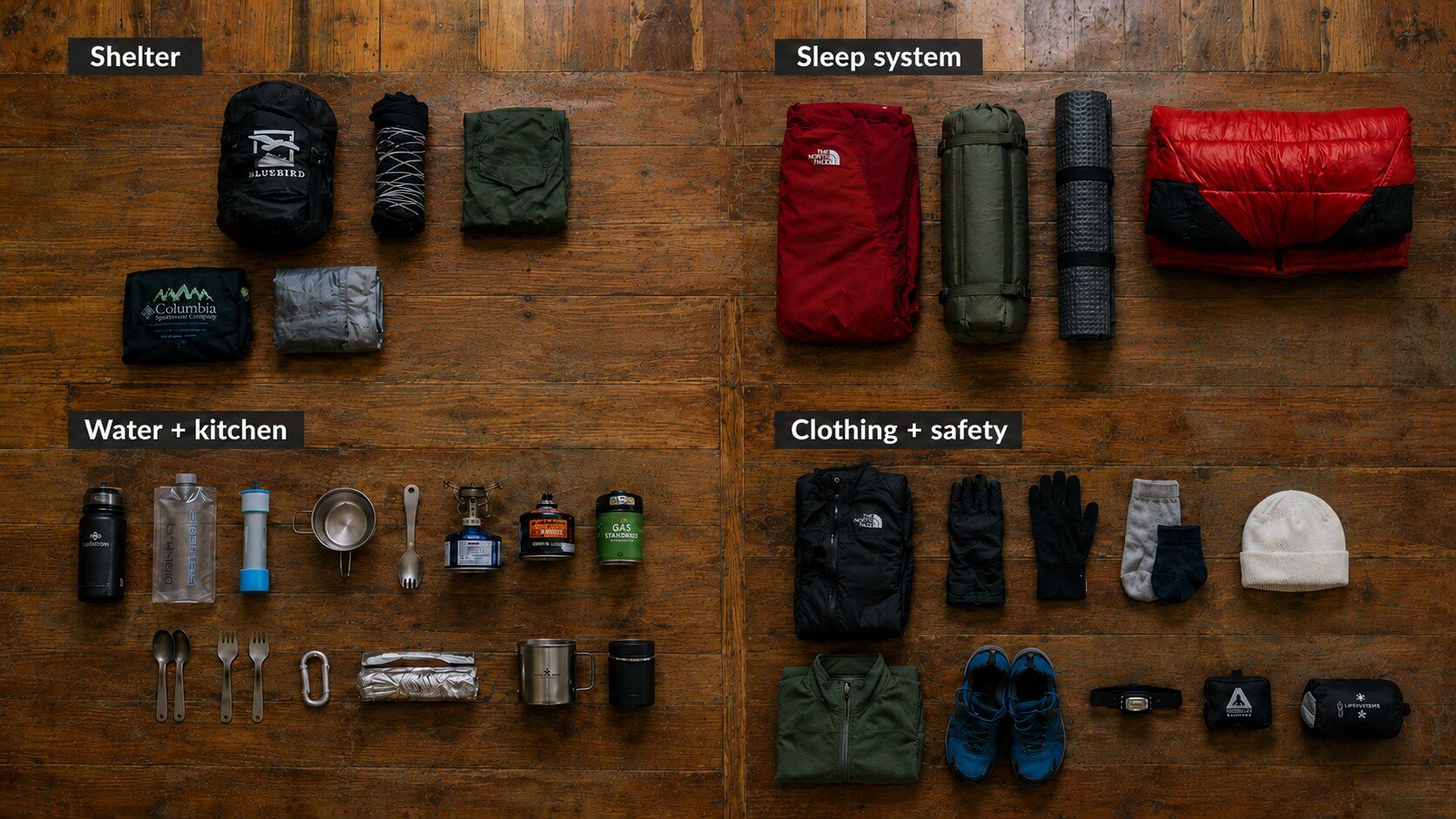
The Ultralight Backpacking Checklist
The checklist below is built around systems, not individual products. That makes it easier to adapt for a warm overnight trip, a wet shoulder-season route, a bear-canister area, or a longer backcountry itinerary.
| Category | Item | Essential? | Typical weight note | When to skip or swap |
|---|---|---|---|---|
| Pack and storage | Backpack | Yes | Choose capacity after your gear is dialed, not before. | Use a smaller/lighter pack only if your total kit and food volume actually fit. |
| Pack and storage | Pack liner or dry bags | Usually | A simple pack liner can protect core sleep gear. | Skip extra dry bags if one liner protects everything that must stay dry. |
| Shelter | Tent, tarp, or shelter system | Yes | Weight depends on capacity, poles, fabric, and weather protection. | Swap lighter only when the shelter still fits forecast, site conditions, and your setup skill. |
| Shelter | Stakes and guylines | Yes | Small items, but essential for many shelters. | Do not drop required stakes just to match a spec-sheet weight. |
| Sleep system | Quilt or sleeping bag | Yes | Match expected overnight lows, not daytime weather. | Go lighter only if the temperature rating still fits the trip. |
| Sleep system | Sleeping pad | Yes | Warmth matters as much as comfort. | Foam pads can save cost and add durability; inflatables save bulk and may add comfort. |
| Kitchen | Stove, fuel, pot, lighter | Usually | Keep the cook kit simple. | Skip a stove only on routes where cold soaking or no-cook food is realistic for you. |
| Food storage | Food bag, odor-resistant bag, or bear canister | Yes, route-dependent | Required systems vary by land manager. | Never skip required food storage. Some areas require approved bear-resistant containers. |
| Water | Bottles or reservoir | Yes | Water is heavy: one liter is about 2.2 lb. | Carry less only when reliable water sources and treatment are available. |
| Water | Water filter or treatment | Yes | Filters, drops, tablets, or UV all have tradeoffs. | Carry backup treatment on remote or high-consequence routes. |
| Clothing | Rain jacket or shell | Usually | Conditions decide how minimal you can be. | Skip only when forecast, exposure, and bail-out options make that reasonable. |
| Clothing | Insulation layer | Usually | Nights and stops can be much colder than hiking. | Do not cut insulation needed for expected lows. |
| Clothing | Sleep socks or dry layer | Conditional | Small comfort item with safety value in wet/cold weather. | Skip in reliably warm, dry conditions. |
| Navigation | Map, offline route, compass/GPS | Yes | Phone navigation still needs battery planning. | Do not rely on signal alone. |
| Electronics | Headlamp and power bank | Yes | A small headlamp is part of the Ten Essentials. | Size the power bank to trip length and navigation dependence. |
| Safety | First aid, repair, fire starter, emergency shelter | Yes | Small kits should be customized, not empty. | Trim duplicates, not the whole safety system. |
| Personal | Sunscreen, bug protection, hygiene, toilet kit | Usually | Depends heavily on season and region. | Repackage instead of carrying full-size containers. |
For route-specific choices, compare backpacking food, confirm whether an approved bear canister is required, and choose a hydration bladder only if it fits the pack and cleaning routine.
What You Can Usually Skip
The safest weight savings usually come from duplicates and low-value extras. Community gear shakedowns often focus on the same pattern: extra clothing, extra containers, large tools, too much cookware, and comfort items that do not match the actual trip.
| Gear item | Usually pack | Usually skip | Why |
|---|---|---|---|
| Clothing | One hiking outfit plus needed insulation/rain protection | Multiple backup outfits | Extra clothing is one of the easiest places to overpack. |
| Tools | Small knife or small repair tool | Large fixed blade or heavy multi-tool | Most backpacking repairs need a few simple functions. |
| Cookware | One pot or mug for solo trips | Full kitchen kits | Redundant pots, bowls, and utensils add weight quickly. |
| Water storage | Capacity matched to route | Extra bottles "just in case" on water-rich routes | Water planning should follow sources, distance, heat, and treatment options. |
| Toiletries | Repackaged essentials | Full-size bottles | Small containers solve the problem without changing the system. |
| Camp comfort | One deliberate comfort item | Several small "maybe" items | Comfort is fine when chosen on purpose. It gets heavy when accidental. |
| Electronics | Phone, headlamp, needed battery | Extra camera/audio/entertainment gear by default | Bring extra electronics only if they are central to the trip. |
Camp shoes are a good example. They can be worth it for wet crossings, camp-heavy trips, or blister management. For a short overnight trip with dry trail conditions, they are often one of the first optional items to test without.
What You Should Not Cut
Ultralight does not mean removing the safety layer from the trip. It means choosing lighter, simpler versions of the systems you still need.
Keep the Ten Essentials mindset: navigation, light, sun protection, first aid, repair, fire, emergency shelter, extra food, extra water, and extra clothing. The exact items can change by trip, but the systems should not disappear just because the gear list is trying to get lighter.
Food storage is another place where local rules beat generic ultralight advice. The National Park Service Yosemite food-storage rules, for example, require approved storage for food and scented items in many backpacking situations. That does not mean every US route requires the same setup, but it does mean you should check the land manager before cutting a canister or food-storage system.
Water planning deserves the same caution. REI uses about 0.5 liter per hour of moderate activity in moderate temperatures as a planning baseline, but heat, elevation, distance between sources, and personal sweat rate can change the number. Carrying less water is only smart when you know where the next reliable source is and have a way to treat it.
How to Use This Checklist by Trip Type
| Trip type | Add | Remove or reduce | Watch out for |
|---|---|---|---|
| Overnight shakedown trip | Small scale, simple checklist, notes app | Extra clothing, duplicate cookware, extra electronics | This is the best time to learn what you did not use. |
| Weekend backpacking trip | Enough food/fuel margin, repair basics | Full-size toiletries, redundant layers | Weather can still change quickly over two nights. |
| Longer backcountry route | More repair capacity, battery margin, food-storage compliance | Luxury items that do not earn their weight daily | Food and water may matter more than base weight. |
| Wet or cold conditions | Warmer sleep system, reliable rain shell, dry sleep layers | Minimal rain protection | Cold rain is where unsafe ultralight choices show up fast. |
| Bear-canister route | Approved canister or required storage | Smaller pack only if the canister fits | Required storage can change your pack volume and weight. |
For a first ultralight kit, do one easy overnight shakedown before a remote route. Pack the checklist, use the gear, then make three lists when you get home: used every day, used once but important, and never used. Cut from the third list first.
Where Most Backpackers Carry Too Much Weight
The biggest savings are not always the most expensive upgrades.
Clothing duplicates
Extra shirts, spare pants, and multiple "just in case" layers add up quickly. Keep the clothing system focused on hiking, sleeping, rain, sun, and expected lows. If an item does not solve one of those jobs, question it.
Shelter weight
Shelter weight matters, but it has to be balanced against weather, bugs, site selection, and setup confidence. A lighter shelter that you cannot pitch well in wind is not a real improvement.
Sleep system mismatch
A quilt or bag that is too cold can turn a light kit into a miserable or unsafe one. A pad with too little insulation can do the same. Cut weight here carefully.
Food and water overestimates
Food and water are consumables, but they can dominate the pack. Plan meals realistically, know water sources, and avoid carrying fear weight when the route information is reliable.
Small extras that add up
Stuff sacks, bags, cables, camp gadgets, large toiletries, backup utensils, and extra containers rarely look heavy alone. Together, they can weigh more than an obvious big-ticket item.
Quick Ultralight Packing Rules
- Weigh the full kit before buying upgrades.
- Cut duplicates before cutting safety systems.
- Match the checklist to route, season, and weather.
- Repackage small consumables instead of carrying full-size containers.
- Treat food storage and water treatment as route requirements, not optional extras.
- Upgrade the Big Three last if budget is limited.
- Test the kit on a low-risk overnight before a remote trip.
For a smaller weekend-focused version of the system, use the minimalist backpacking gear list and add items back when route, weather, or regulations require them.
FAQ
What is included in an ultralight backpacking checklist?
An ultralight backpacking checklist includes the same core systems as a regular backpacking checklist: pack, shelter, sleep system, food, water, clothing, navigation, light, first aid, repair, hygiene, and emergency basics. The difference is that each item is chosen more deliberately and duplicates are removed.
What is the difference between a lightweight backpacking checklist and an ultralight checklist?
A lightweight backpacking checklist aims to reduce unnecessary weight while keeping a familiar comfort margin. An ultralight checklist is more disciplined about item count, shelter choice, clothing layers, and base weight. In both cases, the checklist should still fit the weather, route, and safety needs.
What should beginners not leave out when backpacking light?
Beginners should not leave out navigation, headlamp, water treatment, insulation for expected lows, rain/sun protection, first aid, repair basics, and required food storage. It is usually better to carry a slightly heavier kit than to remove a system you do not yet know how to replace safely.
How much should my ultralight backpacking gear weigh?
Many hikers use under 10 lb of base weight as ultralight shorthand, but that number is not a rule. Season, weather, food storage, water carries, and experience matter. A safer goal is to reduce weight steadily while keeping the systems your trip requires.
What are the easiest items to remove from a backpacking list?
Start with duplicate clothing, full-size toiletries, extra cookware, oversized tools, excess stuff sacks, and electronics you do not need for navigation or safety. Those cuts are usually safer than removing insulation, water treatment, shelter components, or emergency gear.
Do I need camp shoes for ultralight backpacking?
Not always. Camp shoes are useful for wet crossings, swollen feet, camp-heavy trips, or blister relief. For a short dry-weather overnight, many hikers skip them. Treat camp shoes as a comfort and conditions decision, not a permanent checklist rule.
Should I use a backpacking quilt or sleeping bag for an ultralight setup?
Quilts are popular in ultralight kits because they can save weight and pack smaller, but sleeping bags can be warmer and simpler for some hikers. Choose based on expected lows, sleeping style, pad setup, and how much draft management you are comfortable with.
How do I make a 3-season ultralight backpacking checklist?
Start with the full checklist, then adjust for the coldest expected night, likely precipitation, bug pressure, water availability, and food-storage rules. Keep the safety systems, remove duplicates, and test the list on an overnight trip before trusting it on a longer route.
Related Guides
Best Backpacking Backpacks
This guide compares the best backpacking backpacks, highlighting key features, pros, and cons to help you choose the right one for your adventures.
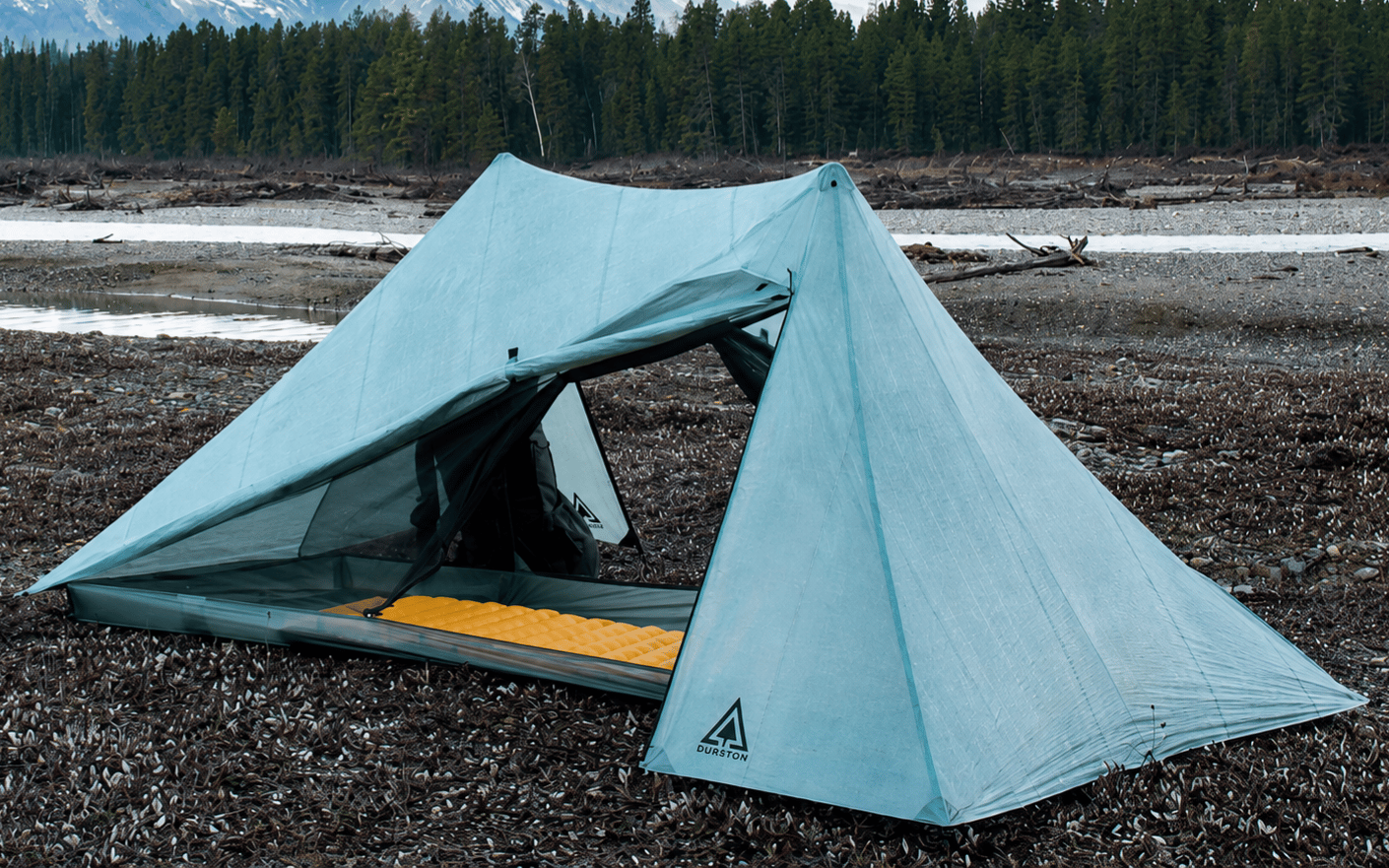
Best Ultralight Backpacking Tents
This guide compares the best ultralight backpacking tents, helping you choose a durable, weather-resistant shelter that balances weight and comfort for long-distance hikes.
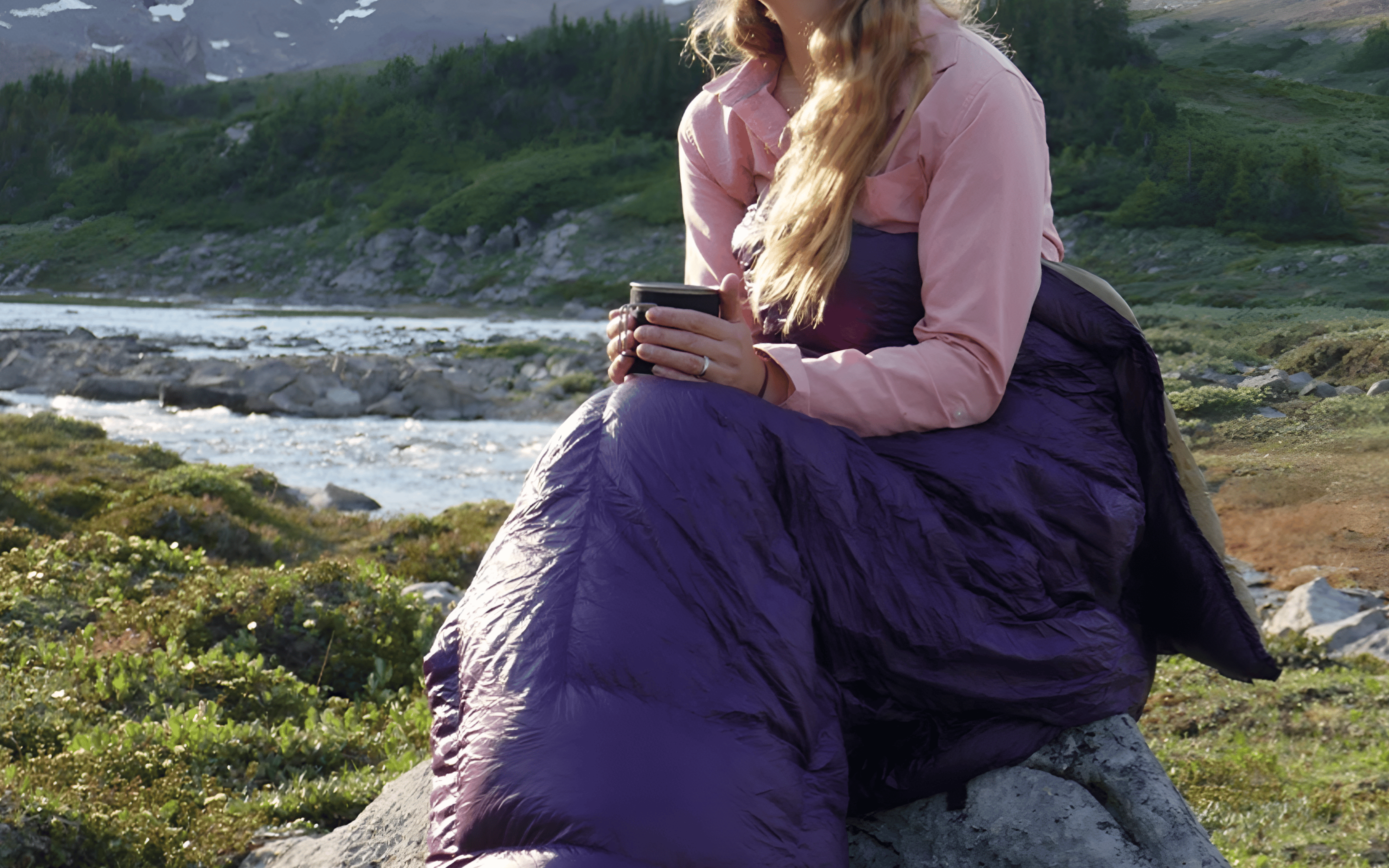
Best Backpacking Quilts
This guide compares the best backpacking quilts, highlighting top choices for warmth, comfort, and packability to help you find the perfect fit for your outdoor adventures.
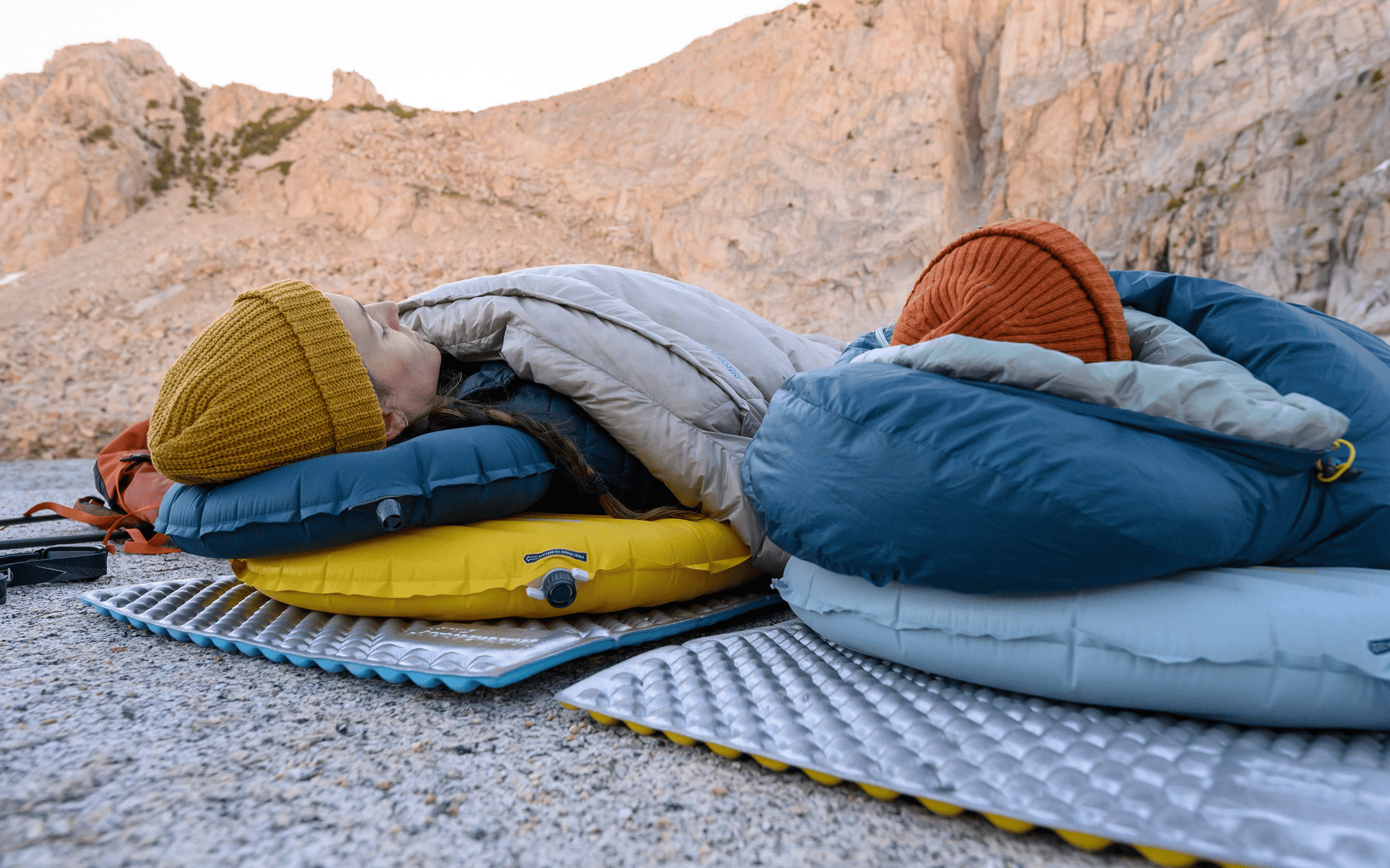
Best Sleeping Pads For Backpacking
Finding the best sleeping pad for backpacking can be tricky. This guide compares top options to help you choose the right one for your needs.
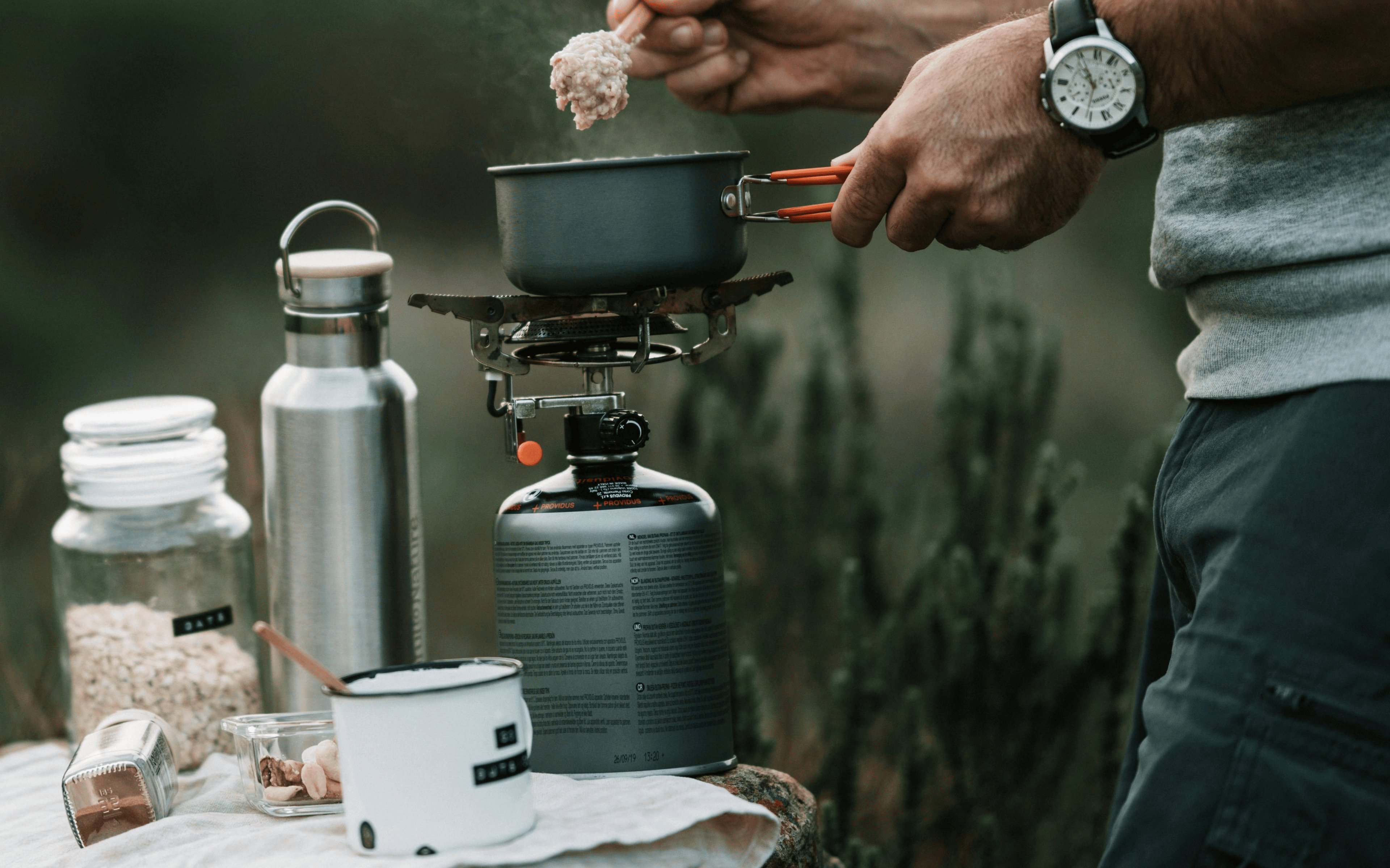
Best Backpacking Stoves
This guide compares the best backpacking stoves, highlighting their strengths and weaknesses to help you choose the right one for your outdoor adventures.
3-Day Backpacking Packing List for Beginners
Pack for a three-day backpacking trip with a beginner checklist that separates core gear from food, water, weather, and route-specific needs.