
Giro Axis vs Oakley Flight Deck
Why You Can Trust Us
- Side-by-side analysis based on real user feedback
- Unbiased comparisons, not influenced by partnerships
- Updated as new data becomes available
We may earn from affiliate links at no extra cost to you.
| Axis | Flight Deck | |
|---|---|---|
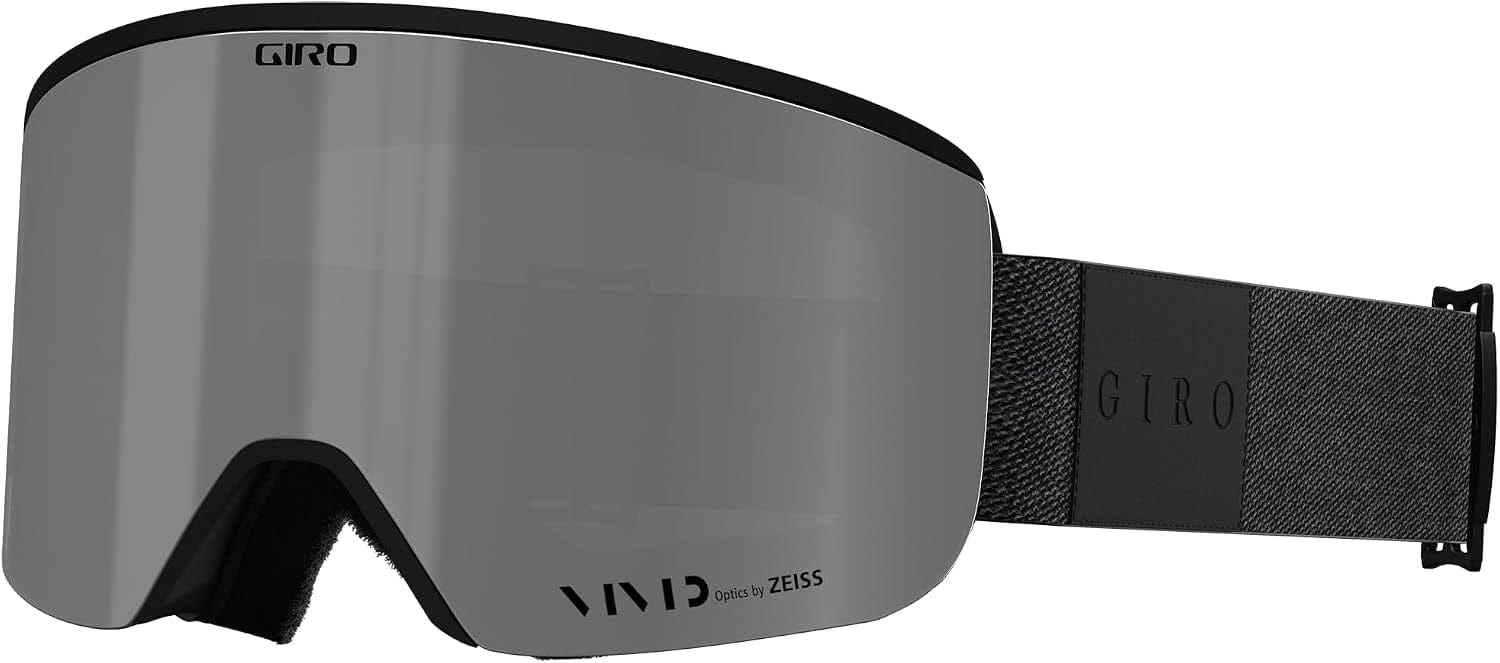 | 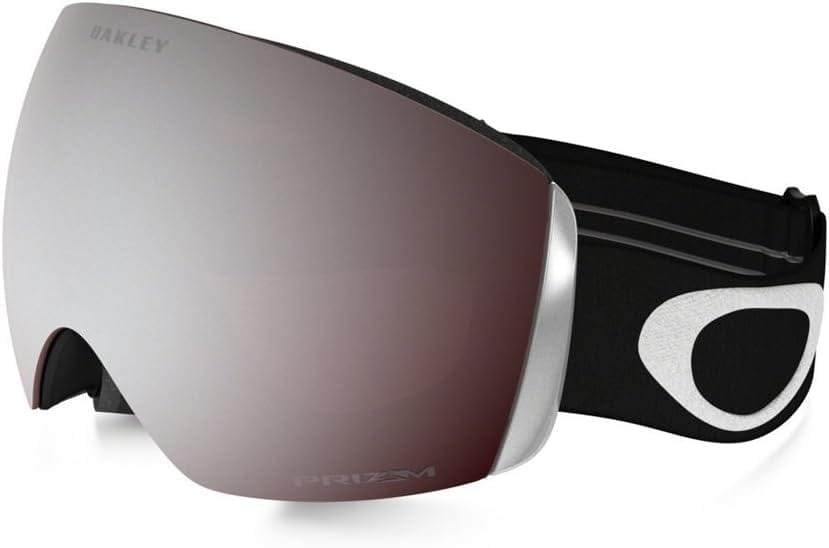 VS | |
| Lens Type | Cylindrical (injection-molded) | Spherical, dual-pane (rimless) |
| Lens Change System | Quick Change Lens System (magnets + 4 snap pins) | Ridgelock lens change system |
| Included Lenses | 2: VIVID sun/all-conditions lens + VIVID Infrared storm/low-light lens | 1 Prizm lens (e.g., Prizm Snow Black Iridium 5.5% VLT); VLT varies by colorway |
| Size | Medium fit | L (large fit); M version available |
| OTG Compatibility | Not specified by maker | Yes (frame notches fit most prescription eyewear) |
| Lens Technology | VIVID with Optics by ZEISS; Expansion View (EXV) | Prizm Snow |
| Warranty | 1 year | 2 years |
| Anti-fog Coating | Yes (anti-fog lens coating) | Yes (F3 anti-fog coating) |
| Ventilation | EVAK Vent Technology | N/A |
| Helmet Compatibility | Designed for Giro helmet integration | Yes (rimless frame fits most helmets) |
| Foam Layers | N/A | 3 |
| Case Included | N/A | No hard case (microbag) |
| Giro Axis | Oakley Flight Deck |
|---|---|
| |
| Lens Type | |
Cylindrical (injection-molded) | Spherical, dual-pane (rimless) |
| Lens Change System | |
Quick Change Lens System (magnets + 4 snap pins) | Ridgelock lens change system |
| Included Lenses | |
2: VIVID sun/all-conditions lens + VIVID Infrared storm/low-light lens | 1 Prizm lens (e.g., Prizm Snow Black Iridium 5.5% VLT); VLT varies by colorway |
| Size | |
Medium fit | L (large fit); M version available |
| OTG Compatibility | |
Not specified by maker | Yes (frame notches fit most prescription eyewear) |
| Lens Technology | |
VIVID with Optics by ZEISS; Expansion View (EXV) | Prizm Snow |
| Warranty | |
1 year | 2 years |
| Anti-fog Coating | |
Yes (anti-fog lens coating) | Yes (F3 anti-fog coating) |
| Ventilation | |
EVAK Vent Technology | N/A |
| Helmet Compatibility | |
Designed for Giro helmet integration | Yes (rimless frame fits most helmets) |
| Foam Layers | |
N/A | 3 |
| Case Included | |
N/A | No hard case (microbag) |
Comfort & Fit
Axis
Flight Deck
Comfort matters because a goggle that pinches, slips or creates pressure points will distract you all day, and fit also determines how well it works with a helmet. Buyers of the Axis consistently describe it as comfortable over long days, with a low-profile clip that sits well under a helmet, a nose area that does not pinch and a silicone strap and inlay that help hold it in place. Reviewers also say it fits over prescription glasses, although pressure and looseness can vary with head shape. The Flight Deck earns stronger overall marks, with buyers repeatedly praising its 50mm adjustable straps, silicone grip lining and triple-layer face foam that hold the goggles steady without pressure points. Its streamlined frame is also described as sitting well under a helmet, and the fleece lining helps keep sweat out of your eyes. Some shoppers note that the Flight Deck is not the most comfortable option for every face shape, so the fit is not universal. For most skiers, the Flight Deck is the more reliable all-day fit, while the Axis is a solid choice if you have a narrower face or want a lighter-feeling goggle.
Durability
Axis
Flight Deck
Durability matters for buyers who ski often, travel with their goggles or expect to replace lenses rarely. The Axis has injection-molded lenses and an ultra-durable, non-absorbent foam that reviewers cite as real build strengths. However, durability is a mixed area for the Axis, as some reviewers report lenses that can be damaged beyond repair and plastic parts that break after a few seasons of hard use. The Flight Deck has a weaker durability profile, with some buyers reporting scratches straight out of the box, lens problems in the first season and a travel case that is not especially sturdy. Its warranty is also longer at two years compared with one year for the Axis, which softens some of that concern. Based on the category comparison, the Axis edges ahead on build quality, but the margin is narrow and the Axis evidence is thinner. If you are a careful, occasional skier, both can last, but if you ski hard, the Axis is the somewhat safer bet, and the Flight Deck rewards careful handling with its longer warranty.
Optical Clarity
Axis
Flight Deck
Optical clarity determines how well you read terrain, bumps and depth in changing snow, so it is one of the most important categories for any ski goggle. The Axis is praised for its wide field of view from the frameless cylindrical design, sharp detail, good visual clarity in snow and strong depth perception, which helps when the light is flat. Its ZEISS-optics lens and Expansion View technology support that wide, clear view. The Flight Deck is also well regarded, with buyers describing crisp, high-definition vision in flat light, sun and cloudy or whiteout conditions, and its large rimless spherical lens gives a wide field of view. Some buyers note that clarity varies a bit between Flight Deck models, and a few prefer the single-pane lens for sharpness. Both goggles earn high marks, so neither has a clear advantage. Choose the Axis if you value the cylindrical wide view and depth perception in snow, and choose the Flight Deck if you want the bubble-shaped view and consistently sharp vision across conditions.
Fog Control
Axis
Flight Deck
Fog control is critical because fogging can ruin a run in seconds, especially during hard effort, temperature swings or heavy-snow days. The Axis uses EVAK vents and foam that let air escape while keeping water out, and its anti-fog coating is a plus for everyday skiing. Reviewers still report fogging during high-intensity activity or on very foggy trails, and the foam must be fully dried overnight to avoid dampness. The Flight Deck is a clear standout, with a dual-pane lens, anti-fog coating, vents that move air across the lens and extra nose-bridge foam that seals gaps. Buyers describe it as one of the hardest-to-fog goggles they have tested, and several say they are not concerned about fogging at all. The Flight Deck is the clear winner here, so if you ski in humid conditions, push hard on climbs or simply hate fogging, it is the more dependable option.
Lens Changing
Axis
Flight Deck
Lens changing matters for skiers who face variable light, since swapping lenses quickly can keep you comfortable from bluebird mornings to flat afternoons. The Axis uses magnetic self-locating lenses that line up and click into place, and reviewers say the lens comes off easily and makes it quick to swap between the included sun and low-light lenses. Some reviewers, however, report that lenses do not always snap securely and can pop off, so it is worth checking the lock before you head down the hill. The Flight Deck uses Oakley's Ridgelock system, which buyers describe as quick and easy, and all models share the same interchangeable setup. A few buyers prefer the older lens system and feel the two are nearly identical, so the Flight Deck experience is solid but not especially exciting. The Axis gets the edge because the magnetic swap is faster and it comes with two lenses, though the security of the lock needs a quick check.
Style
Axis
Flight Deck
Style matters because goggles are a visible part of your kit, and many buyers want a pair that suits their personal taste as much as their performance. The Axis is praised for its many colour options and its frameless design, which reviewers describe as drippy, and its drippy patch is a standout detail for skiers who want something different. The Flight Deck stands out even more, with buyers praising its spherical bubble shape, rimless frame, wider straps and especially the stealthy blacked-out colorway. Style is a matter of taste, but the Flight Deck has the stronger and more consistent praise. If you want a bold, unusual look, the Axis is appealing, while the Flight Deck is the better pick for a sleek, premium appearance on the mountain.
Trust & Transparency
- Data-driven rankings from real user reviews
- Affiliate partnerships don't influence our methodology
We may earn commission from links.
Conclusion & Final Verdict:
Choose the Giro Axis if you want a wide, frameless view, two included lenses for changing light, quick magnetic swaps and a slightly tougher build reputation, and you are comfortable checking the lens lock before each run.
Choose the Oakley Flight Deck if fog control, all-day comfort, a stated OTG fit, a longer two-year warranty and a standout look matter more to you, especially if you ski hard in humid or changing conditions. For most skiers who prioritize comfort and fog resistance, the Flight Deck is the stronger overall pick, while the Axis is the better value for variable light and a wider lens set.
Related Comparisons
Giro AxisvsAnon M5
The Giro Axis suits skiers who want a frameless, wide-view goggle that is comfortable over long days and easy to wear under a helmet. The Anon M5 is the better pick for sharper, lower-distortion optics, stronger fog resistance, and a cleaner rimless look.
Giro AxisvsGlade Optics Adapt 2
Choose the Giro Axis for a wide frameless view, a helmet-friendly fit and fast magnetic lens swaps, or the Glade Optics Adapt 2 for a cushy, flatter fit, stronger fog control and a self-adjusting photochromic lens. Both are solid picks, so match the choice to your main priority on the hill.
Giro AxisvsOakley Flow Scape
The Oakley Flow Scape is the better choice if optical clarity and fog resistance matter most, with a wide single-pane view and strong snow contrast. The Giro Axis suits skiers who want quick magnetic lens swaps and a comfortable, low-profile fit under a helmet.
Giro AxisvsOakley Line Miner
The Giro Axis suits skiers who want a wide, clear frameless view, quick magnetic lens swaps, and a helmet-friendly fit. The Oakley Line Miner is the stronger all-round pick for comfort over glasses, fog resistance, and style.
Giro AxisvsOutdoorMaster PRO Magnetic
The Giro Axis suits skiers who prioritize a helmet-friendly, comfortable fit and a wide frameless view, while the OutdoorMaster PRO Magnetic is the stronger choice for quick lens swaps, fog control, and everyday durability. Pick the Axis for comfort and style on a budget of compromises, or the PRO Magnetic for fewer fogging and lens-change problems.
SPY Optic MaraudervsOutdoorMaster PRO Magnetic
The Marauder wins on comfort, lens clarity, and included lenses, while the PRO Magnetic leads in quick, secure lens swaps and style. Choose the Marauder for long, comfortable days, or the PRO Magnetic if fast lens changes matter most.