
Giro Axis vs Oakley Line Miner
Why You Can Trust Us
- Side-by-side analysis based on real user feedback
- Unbiased comparisons, not influenced by partnerships
- Updated as new data becomes available
We may earn from affiliate links at no extra cost to you.
| Axis | Line Miner | |
|---|---|---|
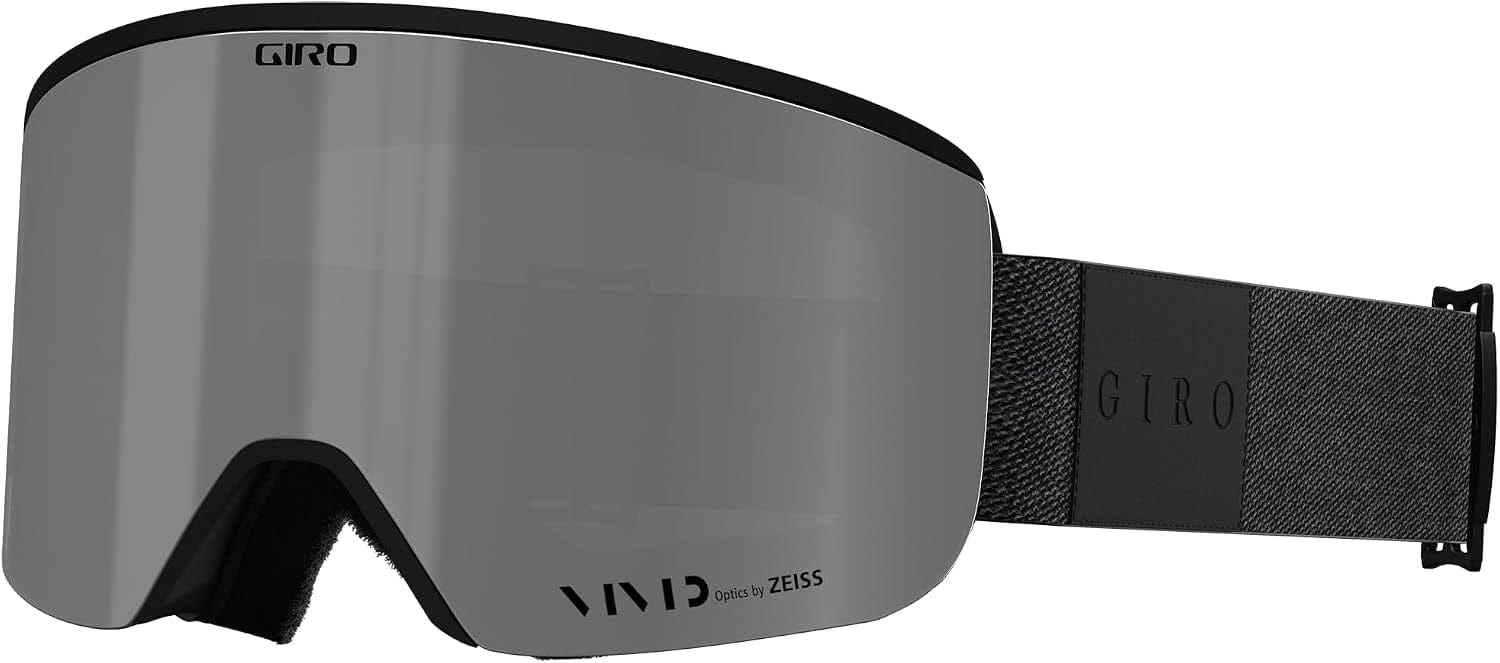 | 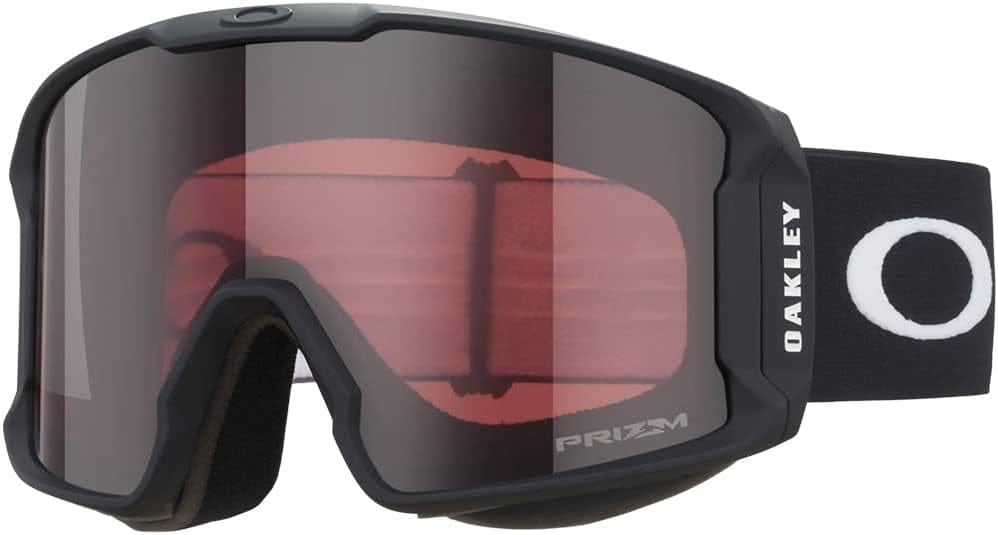 VS | |
| Lens Type | Cylindrical (injection-molded) | Cylindrical, dual-pane |
| Lens Change System | Quick Change Lens System (magnets + 4 snap pins) | None (conventional flex-frame lens swap) |
| Included Lenses | 2: VIVID sun/all-conditions lens + VIVID Infrared storm/low-light lens | 1 Prizm lens (e.g., Prizm Snow Black Iridium 5.5% VLT); VLT varies by colorway |
| Size | Medium fit | L (large fit); M version available |
| OTG Compatibility | Not specified by maker | Yes (frame notches fit most prescription eyewear) |
| Lens Technology | VIVID with Optics by ZEISS; Expansion View (EXV) | Prizm Snow |
| Warranty | 1 year | 2 years |
| Anti-fog Coating | Yes (anti-fog lens coating) | Yes (F3 anti-fog coating) |
| Ventilation | EVAK Vent Technology | N/A |
| Helmet Compatibility | Designed for Giro helmet integration | Yes (fits most helmets) |
| Foam Layers | N/A | 3 |
| Case Included | N/A | No hard case (microbag) |
| Giro Axis | Oakley Line Miner |
|---|---|
| |
| Lens Type | |
Cylindrical (injection-molded) | Cylindrical, dual-pane |
| Lens Change System | |
Quick Change Lens System (magnets + 4 snap pins) | None (conventional flex-frame lens swap) |
| Included Lenses | |
2: VIVID sun/all-conditions lens + VIVID Infrared storm/low-light lens | 1 Prizm lens (e.g., Prizm Snow Black Iridium 5.5% VLT); VLT varies by colorway |
| Size | |
Medium fit | L (large fit); M version available |
| OTG Compatibility | |
Not specified by maker | Yes (frame notches fit most prescription eyewear) |
| Lens Technology | |
VIVID with Optics by ZEISS; Expansion View (EXV) | Prizm Snow |
| Warranty | |
1 year | 2 years |
| Anti-fog Coating | |
Yes (anti-fog lens coating) | Yes (F3 anti-fog coating) |
| Ventilation | |
EVAK Vent Technology | N/A |
| Helmet Compatibility | |
Designed for Giro helmet integration | Yes (fits most helmets) |
| Foam Layers | |
N/A | 3 |
| Case Included | |
N/A | No hard case (microbag) |
Comfort & Fit
Axis
Line Miner
Comfort matters most for a goggle you may wear for an entire day, because pressure points, slipping, and poor compatibility with helmets or glasses quickly become distracting. Buyers of the Axis often describe it as comfortable over long days, with a low-profile clip that sits well under a helmet, a nose area that does not pinch, and a silicone inlay and strap that keep it in place. Its fit is not universal, though, since some reviewers note that pressure and looseness vary with head shape. The Line Miner earns praise for its plush triple-density foam, moisture-wicking lining, and silicone strap that holds the goggle without buckle pressure. Its prescription inserts fit well inside the frame, which buyers frequently call a major help for glasses wearers, and the low-profile fit works over glasses and under a beanie or helmet. For most skiers, the Line Miner is the more comfortable and more consistently praised choice, especially if you wear prescription eyewear.
Durability
Axis
Line Miner
Durability shows up in how a goggle handles drops, scratches, and seasons of heavy use, which matters for anyone who skis often or rough-handles their gear. The Axis uses injection-molded lenses and a non-absorbent foam that reviewers point to as build strengths. However, some owners report lenses that get damaged beyond repair and plastic parts that break over several seasons. The Line Miner has a frame that sits raised above the lens, which helps prevent scratches when the goggles are set down, and many owners say the lens stays in great shape. Some reviewers do report interior damage and scratches after heavy use, so the Line Miner is not immune to wear. Overall, the Line Miner has the edge in this category, and the Axis is a better fit if you are willing to accept more risk for its other strengths.
Optical Clarity
Axis
Line Miner
Optics affect how well you read terrain, bumps, and contrast, so this category is important for both fast skiing and flat-light conditions. The Axis gets strong marks for its frameless cylindrical design, which provides a wide field of view, sharp detail, and good depth perception in snow. Reviewers often describe its visual clarity as great in varied conditions. The Line Miner is praised for sharp, high-contrast optics from its pre-molded lens and Prizm tint, and its wider cylindrical design expands peripheral vision while keeping clarity. Some reviewers find that single-layer lenses are slightly sharper, so the Line Miner is not perfectly flawless for every person. The Line Miner has the stronger overall optical reputation, though both goggles deliver a wide, clear view that most skiers will find satisfying.
Fog Control
Axis
Line Miner
Fog control is one of the most important factors in a goggle because it directly affects visibility during hard runs, humid days, and cold conditions. The Axis uses EVAK venting and a foam that lets air escape while keeping snow and water out, and an anti-fog coating adds further help for everyday skiing. Still, fogging can occur during high-intensity effort or on very foggy trails, and the foam must be dried thoroughly overnight to avoid a damp, wet feel. The Line Miner uses dual-pane lenses and anti-fog coatings on both the goggle and its prescription insert, and buyers describe its fog resistance as effective during activity. A few buyers report fogging in some conditions, particularly humid or very cold days, so ventilation still matters. Overall, the Line Miner is the stronger performer here, and the Axis is a reasonable choice if you ski mostly in dry conditions and are comfortable with venting trade-offs.
Lens Changing
Axis
Line Miner
Lens changing matters when weather and light shift quickly through a day, because being able to swap lenses without taking off gloves saves time and keeps you on the snow. The Axis uses magnetic self-locating lenses that line up and click into place, which buyers describe as a quick and easy swap between the included sun and low-light lenses. Some reviewers note that lenses do not always snap securely and can occasionally pop off, so it is worth checking the lock before heading down. The Line Miner has a wider range of tints, from black iridium to persimmon and pink, and its lenses swap quickly and intuitively. However, lens changes are harder with gloves on and are not recommended in cold weather, and the original Line Miner does not have an interchangeable lens system at all. The Axis is the better choice for frequent lens changes, while the Line Miner suits skiers who mostly stick with one lens.
Style
Axis
Line Miner
Style matters because goggles are worn in full view, and many buyers choose a pair partly for how it looks on their helmet and jacket. The Axis is often praised for its frameless design, which reviewers call drippy, along with its multiple colour options and a distinctive drippy patch that gives it personality. The Line Miner gets strong praise for its cool cylindrical look, factory pilot design with a classic vintage feel, and bold colourways like Prizm Sage Gold. Its ridged top adds distinctive detailing, and many buyers say the goggle looks clean and good on the slopes. Both goggles have loyal fans, but the Line Miner's vintage look and bold colourways have drawn more enthusiastic feedback, so it is the stronger pick for style-focused buyers.
Trust & Transparency
- Data-driven rankings from real user reviews
- Affiliate partnerships don't influence our methodology
We may earn commission from links.
Conclusion & Final Verdict:
Choose the Giro Axis if you want a wide, frameless view, quick magnetic lens changes, and good venting, and you can accept some fog risk during hard efforts and a bit more care with durability.
Choose the Oakley Line Miner if comfort over long days, prescription compatibility, fog resistance, and a longer warranty matter most to you. It is the stronger overall pick for most skiers, especially those who wear glasses or ski in changing conditions without needing to swap lenses often.
Related Comparisons
Anon M5vsOakley Line Miner
The Anon M5 is the better pick for changing light, with a magnetic lens system and two lenses included. The Oakley Line Miner suits buyers who want all-day comfort over glasses, sharper peripheral optics, and a classic cylindrical look.
Giro AxisvsAnon M5
The Giro Axis suits skiers who want a frameless, wide-view goggle that is comfortable over long days and easy to wear under a helmet. The Anon M5 is the better pick for sharper, lower-distortion optics, stronger fog resistance, and a cleaner rimless look.
Giro AxisvsGlade Optics Adapt 2
Choose the Giro Axis for a wide frameless view, a helmet-friendly fit and fast magnetic lens swaps, or the Glade Optics Adapt 2 for a cushy, flatter fit, stronger fog control and a self-adjusting photochromic lens. Both are solid picks, so match the choice to your main priority on the hill.
Giro AxisvsOakley Flight Deck
Giro Axis suits buyers who want a wide frameless view, two included lenses and quick magnetic swaps for changing light on long days. Oakley Flight Deck is the stronger pick for fog resistance, all-day comfort and style, especially for active skiers who face temperature swings.
Giro AxisvsOakley Flow Scape
The Oakley Flow Scape is the better choice if optical clarity and fog resistance matter most, with a wide single-pane view and strong snow contrast. The Giro Axis suits skiers who want quick magnetic lens swaps and a comfortable, low-profile fit under a helmet.
Giro AxisvsOutdoorMaster PRO Magnetic
The Giro Axis suits skiers who prioritize a helmet-friendly, comfortable fit and a wide frameless view, while the OutdoorMaster PRO Magnetic is the stronger choice for quick lens swaps, fog control, and everyday durability. Pick the Axis for comfort and style on a budget of compromises, or the PRO Magnetic for fewer fogging and lens-change problems.