
Giro Axis vs Glade Optics Adapt 2
Why You Can Trust Us
- Side-by-side analysis based on real user feedback
- Unbiased comparisons, not influenced by partnerships
- Updated as new data becomes available
We may earn from affiliate links at no extra cost to you.
| Axis | Adapt 2 | |
|---|---|---|
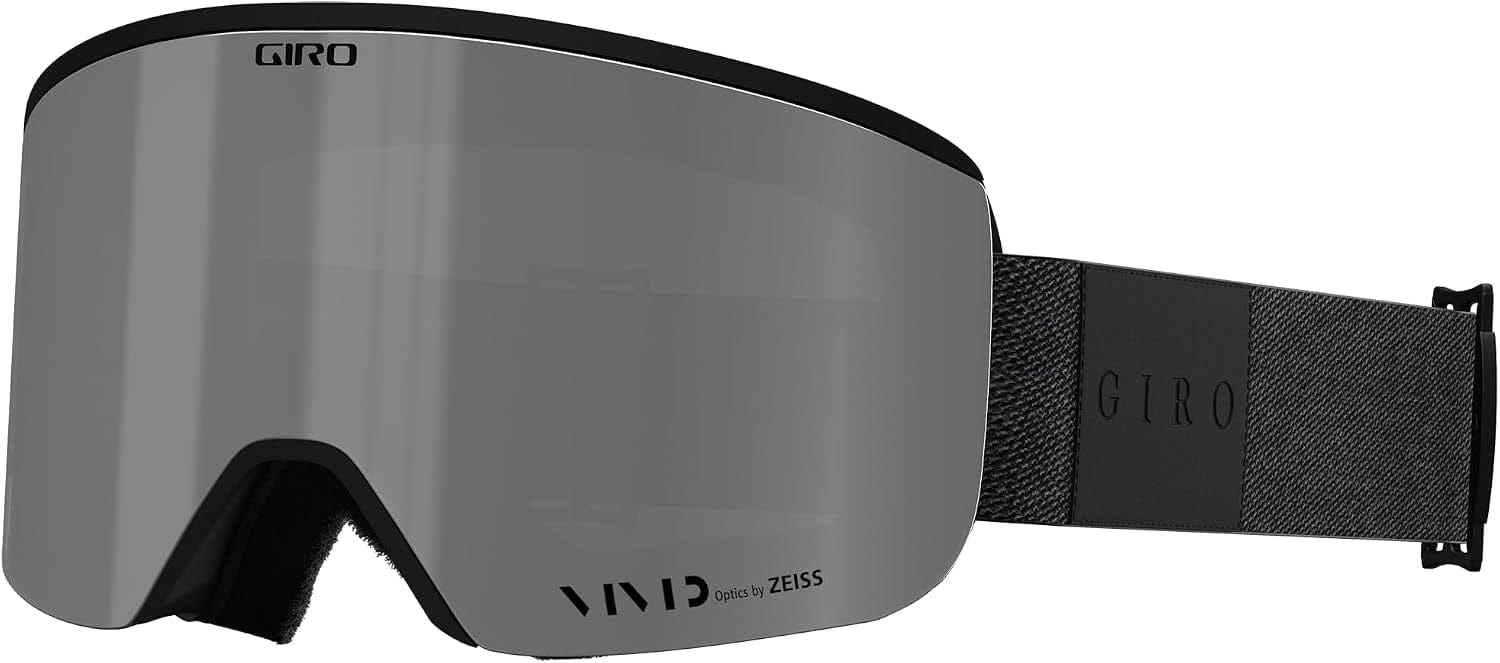 | 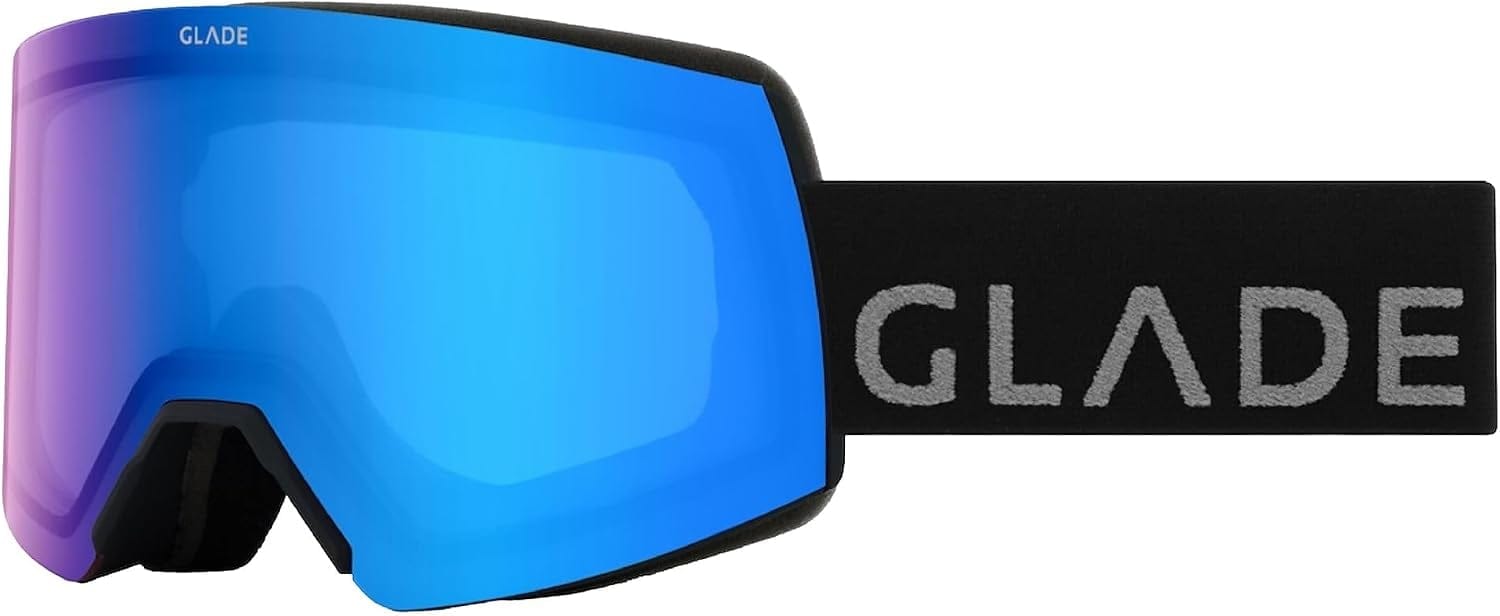 VS | |
| Lens Type | Cylindrical (injection-molded) | Cylindrical |
| Lens Change System | Quick Change Lens System (magnets + 4 snap pins) | Interchangeable lens, non-magnetic (no quick-change mechanism) |
| Included Lenses | 2: VIVID sun/all-conditions lens + VIVID Infrared storm/low-light lens | 1: REVEAL photochromic lens (installed); VLT range varies by tint |
| Size | Medium fit | Medium/Large fit |
| OTG Compatibility | Not specified by maker | Yes (OTG; fits most glasses under 5.5 × 2 in) |
| Lens Technology | VIVID with Optics by ZEISS; Expansion View (EXV) | REVEAL photochromic (REVEAL 4K option) |
| Warranty | 1 year | 2 years (materials and craftsmanship) |
| Anti-fog Coating | Yes (anti-fog lens coating) | Yes (anti-fog coating) |
| Ventilation | EVAK Vent Technology | Oversized fog-free vents |
| Helmet Compatibility | Designed for Giro helmet integration | Yes (gap-free fit with Glade helmets) |
| Foam Layers | N/A | 3 |
| Case Included | N/A | No hard case (microfiber bag with spare lens sleeve) |
| Giro Axis | Glade Optics Adapt 2 |
|---|---|
| |
| Lens Type | |
Cylindrical (injection-molded) | Cylindrical |
| Lens Change System | |
Quick Change Lens System (magnets + 4 snap pins) | Interchangeable lens, non-magnetic (no quick-change mechanism) |
| Included Lenses | |
2: VIVID sun/all-conditions lens + VIVID Infrared storm/low-light lens | 1: REVEAL photochromic lens (installed); VLT range varies by tint |
| Size | |
Medium fit | Medium/Large fit |
| OTG Compatibility | |
Not specified by maker | Yes (OTG; fits most glasses under 5.5 × 2 in) |
| Lens Technology | |
VIVID with Optics by ZEISS; Expansion View (EXV) | REVEAL photochromic (REVEAL 4K option) |
| Warranty | |
1 year | 2 years (materials and craftsmanship) |
| Anti-fog Coating | |
Yes (anti-fog lens coating) | Yes (anti-fog coating) |
| Ventilation | |
EVAK Vent Technology | Oversized fog-free vents |
| Helmet Compatibility | |
Designed for Giro helmet integration | Yes (gap-free fit with Glade helmets) |
| Foam Layers | |
N/A | 3 |
| Case Included | |
N/A | No hard case (microfiber bag with spare lens sleeve) |
Comfort & Fit
Axis
Adapt 2
Comfort matters most in goggles because a poor fit causes pressure, slipping and distraction after a few hours on the snow. Buyers describe the Axis as comfortable over long days, with a low-profile clip that sits well under a helmet, a nose area that does not pinch, and a silicone inlay and strap that keep it in place. The Adapt 2 earns praise for its cushy triple-density foam, a flatter cylindrical shape and a gap-free fit with helmets, although a few wider-faced skiers report pressure on the nose or against the eye. Reviewers also note that the Axis can show pressure points or looseness depending on head shape, so both products carry some fit risk. Because the two goggles score almost identically here, the choice depends on face shape: the Axis suits narrower faces and clip-under-helmet setups, while the Adapt 2 suits buyers who want a flatter, more cushioned seal.
Durability
Axis
Adapt 2
Durability decides whether a pair of goggles lasts a few seasons or needs replacing after a hard crash or a damaged lens. The Axis has injection-molded lenses and an ultra-durable, non-absorbent foam that reviewers cite as build strengths. Some owners, however, report lenses damaged beyond repair and plastic parts breaking over a few seasons, so the Axis is a mixed case for frequent or aggressive skiers. The Adapt 2 has too little durability feedback to be judged either way, so its score sits at a neutral level rather than reflecting a known weakness. For a buyer who skis hard or often, the Axis has the clearer evidence of a sturdy build, even with its reported lens issues. Anyone who wants a goggle with fewer known failure reports can take some comfort in the Adapt 2 but should not read that as proof of greater toughness.
Optical Clarity
Axis
Adapt 2
Optics decide how well you read terrain, spot ice and judge depth in flat light, so this category matters for every skier. The Axis stands out for its frameless cylindrical design, which gives a wide field of view, sharp detail and good depth perception in snow, and reviewers often praise its visual clarity. The Adapt 2 is also described as clear without squinting, with good coverage and UVA and UVB filtering, and a few testers gave it an edge on visibility. Some complaints about the Adapt 2 keep it a step behind the Axis on overall optical quality. For buyers who prioritize a broad, sharp view in varied snow conditions, the Axis is the stronger choice, while the Adapt 2 still offers a clear and dependable view for most days on the mountain.
Fog Control
Axis
Adapt 2
Fog is one of the most common frustrations with goggles, especially during hard efforts or on humid, heavily foggy trails. The Adapt 2 has an anti-fog coating and oversized brim vents that reviewers credit with good ventilation, though feedback on fog performance is limited, so the score stays measured. The Axis uses EVAK venting and a moisture-blocking foam that reviewers say helps moisture escape, and the anti-fog coating is a plus for everyday skiing. However, the Axis can still fog during high-intensity activity or on very foggy trails, and its foam must be dried fully overnight to avoid dampness. Based on the available evidence, the Adapt 2 has the edge in fog control, making it the better pick for skiers who expect to work hard or ski in conditions that often fog lenses.
Lens Changing
Axis
Adapt 2
Changing light conditions are a constant part of skiing, so how easily you can swap or adapt lenses matters a lot. The Axis uses a magnetic self-locating system that makes swapping between its included sun and low-light lenses quick, which many reviewers like. Some owners, though, report that lenses do not always snap securely and can pop off, so the lock should be checked before every run. The Adapt 2 relies on a photochromic lens that adjusts on its own to changing light, so many skiers rarely need to swap at all, and its interchangeable lenses use a conventional, non-magnetic mount. Overall, the Axis rewards buyers who want fast manual swaps, while the Adapt 2 suits those who prefer a hands-off approach to changing light.
Style
Axis
Adapt 2
Style matters because goggles are worn in the open and the look often shapes a buyer's choice. The Axis is praised for its multiple colour options and frameless design, which reviewers describe as drippy, with the drippy patch standing out as a distinctive detail. The Adapt 2 is liked for its classic cylindrical, squared-off look and reviewers say it pairs nicely with a helmet. The Axis suits skiers who want a more distinctive, modern appearance, while the Adapt 2 suits buyers who prefer a classic, understated shape. Because style is largely a matter of taste, the two goggles are effectively tied here.
Trust & Transparency
- Data-driven rankings from real user reviews
- Affiliate partnerships don't influence our methodology
We may earn commission from links.
Conclusion & Final Verdict:
Pick the Giro Axis if you want the widest, sharpest frameless view, quick magnetic lens swaps and a distinctive look, and you are comfortable checking the lens lock and drying the foam after each day. Pick the Glade Optics Adapt 2 if you want a cushy, flatter fit, stronger fog resistance, a photochromic lens that handles changing light on its own and a two-year warranty. Both goggles score close together overall, so the decision comes down to whether optics and quick swaps or fog control and hands-off light adaptation matter more to you.
Related Comparisons
Giro AxisvsOakley Flight Deck
Giro Axis suits buyers who want a wide frameless view, two included lenses and quick magnetic swaps for changing light on long days. Oakley Flight Deck is the stronger pick for fog resistance, all-day comfort and style, especially for active skiers who face temperature swings.
Giro AxisvsOakley Line Miner
The Giro Axis suits skiers who want a wide, clear frameless view, quick magnetic lens swaps, and a helmet-friendly fit. The Oakley Line Miner is the stronger all-round pick for comfort over glasses, fog resistance, and style.
Giro AxisvsOutdoorMaster PRO Magnetic
The Giro Axis suits skiers who prioritize a helmet-friendly, comfortable fit and a wide frameless view, while the OutdoorMaster PRO Magnetic is the stronger choice for quick lens swaps, fog control, and everyday durability. Pick the Axis for comfort and style on a budget of compromises, or the PRO Magnetic for fewer fogging and lens-change problems.
Giro AxisvsSmith Squad MAG
The Giro Axis suits skiers who want all-day comfort, a wide frameless view, and a stylish look that sits easily under a helmet. The Smith Squad MAG is the stronger choice for sharper optics, better fog control, and a limited lifetime warranty.
Glade Optics Adapt 2vsAnon M5
The Adapt 2 is the pick for skiers who want a flatter, larger cylindrical fit with a photochromic lens that adjusts on its own, while the M5 suits buyers who want sharper, low-distortion optics and quick magnetic lens swaps. Choose based on face shape and whether you value automatic light adjustment or faster lens changes.
Glade Optics Adapt 2vsOakley Flow Scape
The Adapt 2 suits skiers who want a comfortable, classic goggle with a photochromic lens that adjusts to changing light without carrying spare lenses. The Flow Scape is the better choice for buyers who put optics, fog resistance, and a protective case first, though its lens swaps take practice.