
Glade Optics Adapt 2 vs Anon M5
Why You Can Trust Us
- Side-by-side analysis based on real user feedback
- Unbiased comparisons, not influenced by partnerships
- Updated as new data becomes available
We may earn from affiliate links at no extra cost to you.
| Adapt 2 | M5 | |
|---|---|---|
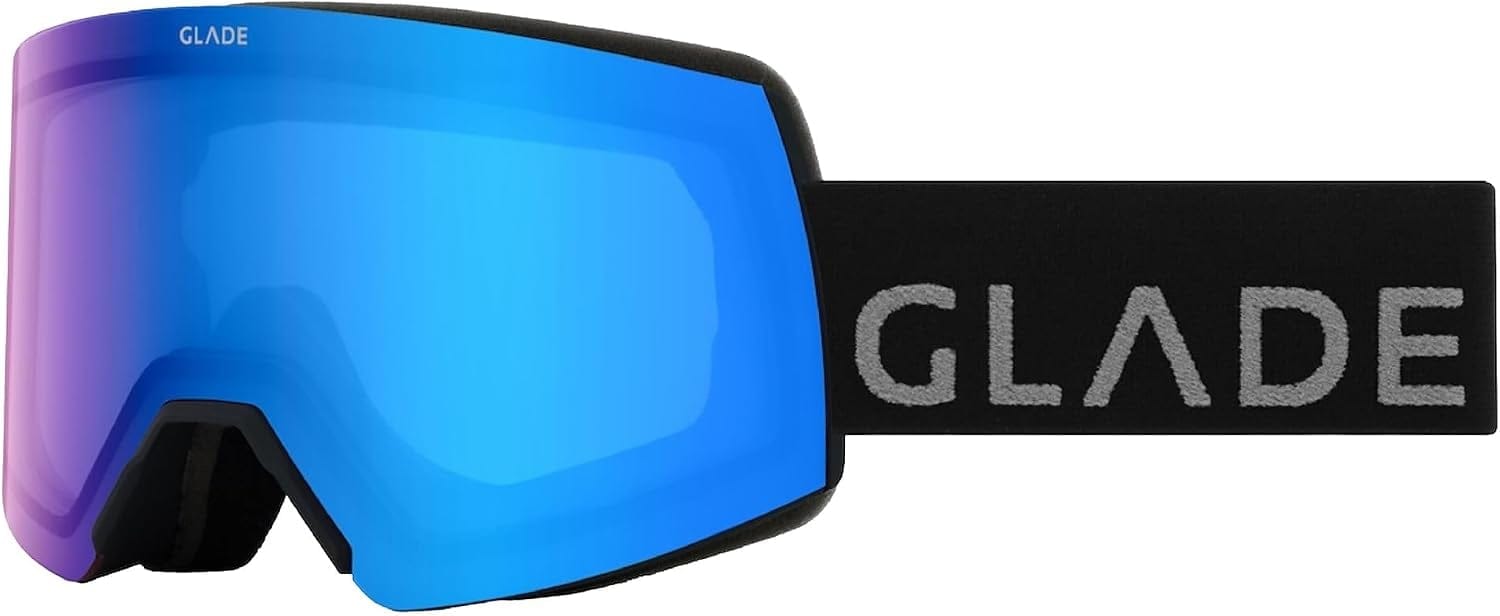 | 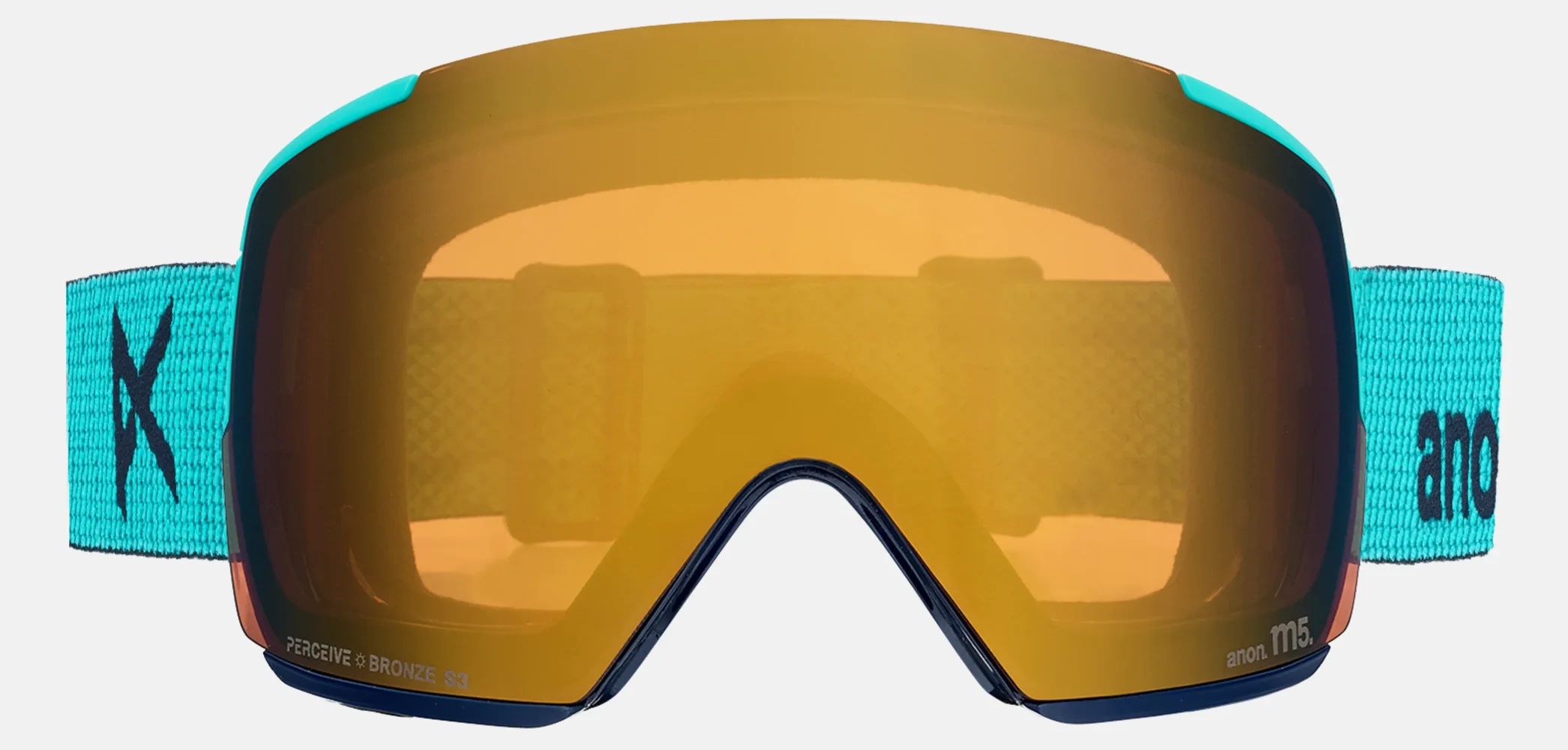 VS | |
| Lens Type | Cylindrical | Flat toric |
| Lens Change System | Interchangeable lens, non-magnetic (no quick-change mechanism) | Magna-Tech magnetic lens change system |
| Included Lenses | 1: REVEAL photochromic lens (installed); VLT range varies by tint | 2: Perceive main lens + Perceive bonus lens (e.g., Sunny Bronze 17% + Cloudy Burst 59% VLT); MFI face mask included |
| Size | Medium/Large fit | Regular fit; Low Bridge and smaller M5S versions available |
| OTG Compatibility | Yes (OTG; fits most glasses under 5.5 × 2 in) | Not specified by maker |
| Lens Technology | REVEAL photochromic (REVEAL 4K option) | Perceive |
| Warranty | 2 years (materials and craftsmanship) | 1 year |
| Anti-fog Coating | Yes (anti-fog coating) | Yes (Integral Clarity Technology anti-fog) |
| Ventilation | Oversized fog-free vents | N/A |
| Helmet Compatibility | Yes (gap-free fit with Glade helmets) | MFI magnetic face-mask integration |
| Foam Layers | 3 | N/A |
| Case Included | No hard case (microfiber bag with spare lens sleeve) | N/A |
| Glade Optics Adapt 2 | Anon M5 |
|---|---|
| |
| Lens Type | |
Cylindrical | Flat toric |
| Lens Change System | |
Interchangeable lens, non-magnetic (no quick-change mechanism) | Magna-Tech magnetic lens change system |
| Included Lenses | |
1: REVEAL photochromic lens (installed); VLT range varies by tint | 2: Perceive main lens + Perceive bonus lens (e.g., Sunny Bronze 17% + Cloudy Burst 59% VLT); MFI face mask included |
| Size | |
Medium/Large fit | Regular fit; Low Bridge and smaller M5S versions available |
| OTG Compatibility | |
Yes (OTG; fits most glasses under 5.5 × 2 in) | Not specified by maker |
| Lens Technology | |
REVEAL photochromic (REVEAL 4K option) | Perceive |
| Warranty | |
2 years (materials and craftsmanship) | 1 year |
| Anti-fog Coating | |
Yes (anti-fog coating) | Yes (Integral Clarity Technology anti-fog) |
| Ventilation | |
Oversized fog-free vents | N/A |
| Helmet Compatibility | |
Yes (gap-free fit with Glade helmets) | MFI magnetic face-mask integration |
| Foam Layers | |
3 | N/A |
| Case Included | |
No hard case (microfiber bag with spare lens sleeve) | N/A |
Comfort & Fit
Adapt 2
M5
Comfort and fit decide whether a goggle stays on comfortably through a full day, and they matter most in a product group where the frame, foam, and face shape all interact. Buyers describe the Adapt 2 as cushy and comfortable, with triple-density foam and a flatter cylindrical shape that sits well against the face. Its larger size gives good coverage and cuts wind, and several owners report no gap when it is fitted with a helmet. The downside is that wider faces can feel pressure on the nose or find the frame sitting against the eye. The M5 earns similarly strong comfort reviews, with a medium-to-large fit that does not feel oversized, triple-layer foam that conforms to the face and wicks sweat, and a double-bead silicone strip that keeps it from shifting on a helmet. Some buyers note a slight nose pinch and find the fit a bit small for certain faces, which can also reduce peripheral view. Overall, the Adapt 2 scores slightly higher and is the better bet for wider faces who want a generous, flatter profile, while the M5 is a strong option for medium faces that want a sleeker goggle.
Durability
Adapt 2
M5
Durability matters because goggles get tossed in pockets, packed in bags, and exposed to cold, moisture, and scratches over a season. Buyer feedback on the Adapt 2 is thin, so it earns a measured rating without standout praise or major complaints. The M5 gets more specific comments about well-built materials, quality connection points, and a hydrophobic, oleophobic coating that resists scratches. Its included goggle sock helps protect the spare lens, which is useful for anyone who swaps lenses on the go. Some owners feel the vented travel case is not the toughest option, so rough trips call for careful packing. For buyers who want the more confidently built option, the M5 has the edge, while the Adapt 2 remains a reasonable choice without clear durability evidence either way.
Optical Clarity
Adapt 2
M5
Optical clarity affects how well you read terrain, ice, and changing snow texture, so it is one of the most important factors in a ski goggle. Buyers describe the Adapt 2 view as clear without squinting, with good visibility and coverage, and the photochromic lens adjusts to changing light. Some reviewers give it a slight visibility edge in direct comparisons, but a few complaints keep its rating below the optics leaders. The M5 stands out for its flat toric lens, which owners describe as unwavering in clarity with minimized distortion. Buyers praise its wide, sharp peripheral view, and some say prescription inserts improve vision further. A few note that peripheral vision can suffer if the size does not suit the face well. For most skiers who prioritize clean, low-distortion vision, the M5 is the stronger choice, while the Adapt 2 offers clear, comfortable sightlines.
Fog Control
Adapt 2
M5
Fog control matters because a fogged lens can ruin a run, especially in humid snow or during hard effort. The Adapt 2 combines an anti-fog coating with vent holes in the brim, and buyers describe its ventilation as good, though fog feedback is limited. The M5 also uses an anti-fog coating, and many buyers call it a game changer. Its prescription insert can be ordered with the same anti-fog coating, and the MFI face mask helps reduce fogging when paired with the goggles. Both goggles offer solid protection, but the M5 has more buyer enthusiasm around its anti-fog performance. Buyers who fog up often may prefer the M5, while the Adapt 2 should still handle typical conditions well.
Lens Changing
Adapt 2
M5
Lens changing matters because snow, cloud, and sun shift quickly, and some skiers want to swap lenses without fuss. The Adapt 2 relies on its photochromic lens, which adjusts tone to the light on its own, so many buyers rarely need to change lenses. Swapping is still possible, but it uses a conventional, non-magnetic mount that is less quick. The M5 uses strong magnets that clip interchangeable lenses in and out on the fly, and it includes darker and low-light lenses for changing conditions. Some buyers find the rimless design makes swaps harder, and fingerprints can land on the lens during changes. For skiers who want automatic adjustment with minimal effort, the Adapt 2 is appealing, but for quick, secure swaps the M5 is clearly better.
Style
Adapt 2
M5
Style matters because a goggle is worn on the most visible part of the body, and it should match the helmet and overall look. The Adapt 2 has a classic cylindrical design with a squared-off look that buyers say pairs nicely with a helmet. The M5 has a rimless shield design that many buyers call the coolest look in its lineup, with a clean, smooth, and modern feel that does not look oversized. Both pair well with helmets for a coordinated appearance, so the difference comes down to personal taste. Buyers who prefer a retro, squared profile may favor the Adapt 2, while those who want a sleek modern shield will likely prefer the M5.
Trust & Transparency
- Data-driven rankings from real user reviews
- Affiliate partnerships don't influence our methodology
We may earn commission from links.
Conclusion & Final Verdict:
Choose the Adapt 2 if you want a comfortable, larger cylindrical goggle with a photochromic lens that adjusts to changing light, a gap-free helmet fit, and a longer warranty, especially if you have a wider face.
Choose the M5 if you prioritize low-distortion optics, a wide peripheral view, and quick magnetic lens swaps, and your face suits a medium or regular fit.
For most skiers who want the strongest all-around optics and lens handling, the M5 is the better buy. Buyers with wider faces or those who want hands-off light adjustment should look closely at the Adapt 2.
Related Comparisons
Glade Optics Adapt 2vsOakley Flight Deck
The Glade Optics Adapt 2 suits skiers who want a flatter, cushy cylindrical fit with a photochromic lens that adjusts on its own. Oakley's Flight Deck is the stronger all-round pick for comfort, fog control, and wide, crisp vision, plus quick lens swaps.
Glade Optics Adapt 2vsOakley Flow Scape
The Adapt 2 suits skiers who want a comfortable, classic goggle with a photochromic lens that adjusts to changing light without carrying spare lenses. The Flow Scape is the better choice for buyers who put optics, fog resistance, and a protective case first, though its lens swaps take practice.
Glade Optics Adapt 2vsOakley Line Miner
The Glade Optics Adapt 2 suits skiers who want a flatter, cushy fit, a photochromic lens that handles changing light, and a gap-free helmet seal. The Oakley Line Miner is the better pick for sharper optics, stronger anti-fog performance, a more comfortable prescription insert fit, and a more distinctive look.
Glade Optics Adapt 2vsOutdoorMaster PRO Magnetic
The OutdoorMaster PRO Magnetic is the stronger all-round pick, with clearer optics, better fog control and a magnetic lens swap that takes seconds. The Glade Optics Adapt 2 suits riders who want a flatter cylindrical fit, cushy foam and a helmet-friendly seal, and who rarely need to change lenses.
Glade Optics Adapt 2vsSmith Squad MAG
The Adapt 2 is the better pick for skiers who want a comfortable, helmet-friendly goggle with a photochromic lens that handles changing light without swapping, plus OTG compatibility. The Squad MAG suits riders who prioritize top-tier optics, the fastest magnetic lens changes, and the strongest anti-fog performance.
Oakley Flight DeckvsAnon M5
Oakley Flight Deck is the better pick for buyers who put all-day comfort, fog resistance, and a bold look first. The Anon M5 suits those who want distortion-free peripheral vision, quick magnetic lens swaps, and a more durable build.