
Oakley Flight Deck vs Anon M5
Why You Can Trust Us
- Side-by-side analysis based on real user feedback
- Unbiased comparisons, not influenced by partnerships
- Updated as new data becomes available
We may earn from affiliate links at no extra cost to you.
| Flight Deck | M5 | |
|---|---|---|
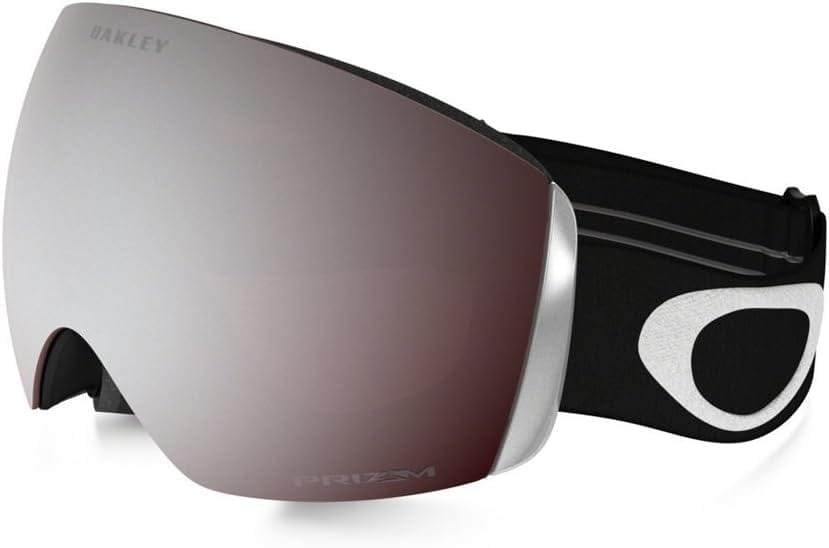 | 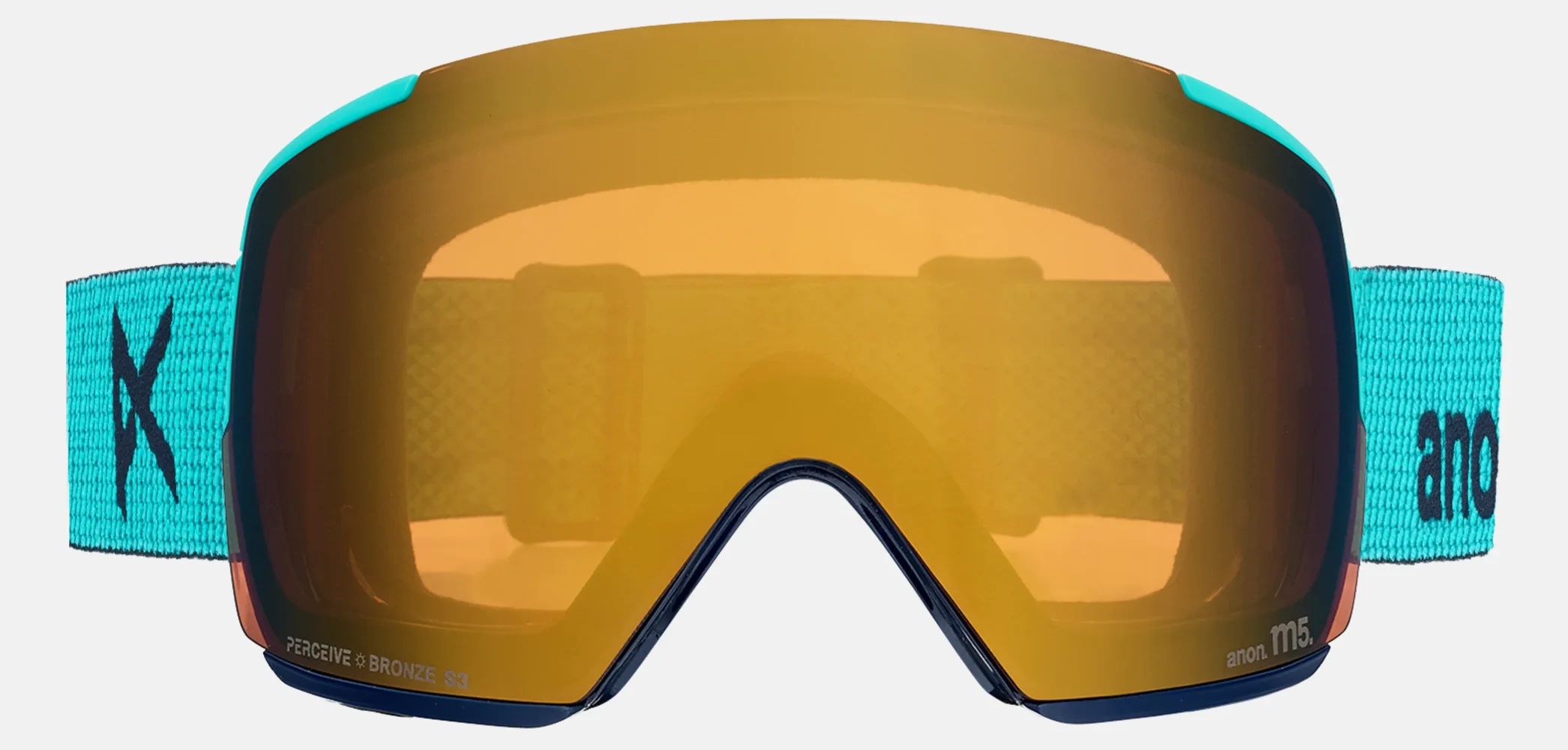 VS | |
| Lens Type | Spherical, dual-pane (rimless) | Flat toric |
| Lens Change System | Ridgelock lens change system | Magna-Tech magnetic lens change system |
| Included Lenses | 1 Prizm lens (e.g., Prizm Snow Black Iridium 5.5% VLT); VLT varies by colorway | 2: Perceive main lens + Perceive bonus lens (e.g., Sunny Bronze 17% + Cloudy Burst 59% VLT); MFI face mask included |
| Size | L (large fit); M version available | Regular fit; Low Bridge and smaller M5S versions available |
| OTG Compatibility | Yes (frame notches fit most prescription eyewear) | Not specified by maker |
| Lens Technology | Prizm Snow | Perceive |
| Warranty | 2 years | 1 year |
| Anti-fog Coating | Yes (F3 anti-fog coating) | Yes (Integral Clarity Technology anti-fog) |
| Ventilation | N/A | N/A |
| Helmet Compatibility | Yes (rimless frame fits most helmets) | MFI magnetic face-mask integration |
| Foam Layers | 3 | N/A |
| Case Included | No hard case (microbag) | N/A |
| Oakley Flight Deck | Anon M5 |
|---|---|
| |
| Lens Type | |
Spherical, dual-pane (rimless) | Flat toric |
| Lens Change System | |
Ridgelock lens change system | Magna-Tech magnetic lens change system |
| Included Lenses | |
1 Prizm lens (e.g., Prizm Snow Black Iridium 5.5% VLT); VLT varies by colorway | 2: Perceive main lens + Perceive bonus lens (e.g., Sunny Bronze 17% + Cloudy Burst 59% VLT); MFI face mask included |
| Size | |
L (large fit); M version available | Regular fit; Low Bridge and smaller M5S versions available |
| OTG Compatibility | |
Yes (frame notches fit most prescription eyewear) | Not specified by maker |
| Lens Technology | |
Prizm Snow | Perceive |
| Warranty | |
2 years | 1 year |
| Anti-fog Coating | |
Yes (F3 anti-fog coating) | Yes (Integral Clarity Technology anti-fog) |
| Ventilation | |
N/A | N/A |
| Helmet Compatibility | |
Yes (rimless frame fits most helmets) | MFI magnetic face-mask integration |
| Foam Layers | |
3 | N/A |
| Case Included | |
No hard case (microbag) | N/A |
Comfort & Fit
Flight Deck
M5
Comfort and fit matter most on a ski goggle, because a frame that shifts, pinches, or slips under a helmet can ruin a full day on the mountain. Flight Deck leads here with a 4.6 rating against the M5's 4.1, and buyers repeatedly describe its 50mm adjustable straps, silicone grip lining, and triple-layer face foam as holding the goggles steady without pressure points over long days. Its streamlined frame also sits well under helmets, and the moisture-wicking fleece helps keep sweat out of the eyes. A few shoppers say it is not the most comfortable option for every face shape. The M5 is also very comfortable, with a medium-to-large fit that doesn't feel oversized, foam that conforms to the face, and double-bead silicone that stays put on a helmet. Its drawbacks are a slight nose pinch and a fit that some find a little small, which can also reduce peripheral view. For most buyers Flight Deck is the safer choice for all-day comfort, while the M5 works well for medium-to-large faces.
Durability
Flight Deck
M5
Durability determines how well goggles handle travel, packing, and the bumps of a long season. The M5 comes out ahead with a 3.6 rating versus 2.8 for Flight Deck, reflecting a more confident build. Buyers praise its quality materials, solid connection points, and hydrophobic, oleophobic coating that resists scratches. The included goggle sock also protects the spare lens during storage. Flight Deck's weak spot is durability, as some owners report scratches out of the box, lens problems in the first season, and a case that feels flimsy. Flight Deck ships with only a microbag rather than a hard case, so careful handling matters even more. Some buyers also feel the M5's vented travel case isn't the toughest option, so pack it carefully for rough trips. If longevity and scratch resistance are your priority, the M5 is the better bet.
Optical Clarity
Flight Deck
M5
Clarity and field of view are what you notice first when the light changes or the snow goes flat. The M5 edges ahead with a 4.4 rating, driven by its flat toric lens, which buyers say delivers unwavering clarity with minimized distortion and a wide, sharp peripheral view. Flight Deck is also well regarded at 4.1, with wearers praising crisp, high-definition vision in flat light, sun, and cloudy or whiteout conditions. Its large rimless spherical design gives a generous field of view, and some buyers say its single-pane optics give extra lens clarity. Some owners note that clarity varies a bit between Flight Deck models. The M5's peripheral strength can suffer if the size doesn't suit your face, which is a caveat that also ties back to fit. For buyers who want distortion-free vision toward the edges of the lens, the M5 has the edge, while Flight Deck remains a strong all-around choice in mixed light.
Fog Control
Flight Deck
M5
Fog is the problem that can end a run early, so it matters a lot for anyone skiing through changing temperatures and hard effort. Flight Deck leads with a 4.4 rating, supported by a dual-pane lens with anti-fog coating, vents that move air across the lens, and extra nose-bridge foam that seals gaps. Buyers describe it as one of the harder-to-fog goggles they have tested, and some say its anti-fog performance is phenomenal in a single-pane setup. The M5 scores 3.9, with buyers strongly recommending its anti-fog coating and calling it a game changer. An anti-fog option is also available on the prescription insert, and the MFI face mask helps reduce fogging when paired with the goggles. The evidence for the M5 is thinner, so its fog performance is less proven across conditions. For active days and temperature swings, Flight Deck is the more dependable pick, while M5 buyers should make sure to get the anti-fog coating.
Lens Changing
Flight Deck
M5
Swapping lenses matters when conditions change from bright sun to flat light or storms. The M5 leads with a 4.1 rating, as its magnetic interchangeable system lets you clip lenses in and out quickly and securely, and it ships with darker and low-light lenses for changing conditions on the fly. Some buyers find the rimless design makes swaps harder, and fingerprints can land on the lens during changes. Flight Deck scores 3.3 here. Its Ridgelock system makes swapping quick and easy, and all models share the same interchangeable setup. However, some buyers prefer the older lens system and feel the two are nearly identical, so the experience feels average compared with its other strengths. Flight Deck also ships with just one lens, which limits on-the-fly options. For buyers who plan frequent lens swaps, the M5's magnets and included lenses are the stronger choice.
Style
Flight Deck
M5
Style matters for buyers who want their goggles to look as good as they perform. Flight Deck tops this category at 4.7, with buyers praising its spherical bubble shape, rimless frame, wide straps, and the stealthy blacked-out colorway. The M5 scores 4.2, with many calling its rimless shield design clean, smooth, and modern, and some ranking it among the coolest looks in the lineup. Buyers note that it pairs well with helmets for a matching look, and several say it does not look oversized. Style remains a matter of personal taste, but both goggles are well received. Flight Deck is the better pick for a bold bubble look and striking colorways, while the M5 suits buyers who prefer a sleeker shield profile.
Trust & Transparency
- Data-driven rankings from real user reviews
- Affiliate partnerships don't influence our methodology
We may earn commission from links.
Conclusion & Final Verdict:
Choose Oakley Flight Deck if you want the most comfortable all-day fit, the most reliable fog control, and a standout bubble look. It is especially strong for buyers who ski in changing temperatures and value a wide, clear field of view.
Choose Anon M5 if you want distortion-free vision at the edges of the lens, quick magnetic lens swaps with extra lenses included, and a more durable build. It is a strong fit for buyers with medium-to-large faces who want a sleek shield look and fewer worries about scratches.
Related Comparisons
Glade Optics Adapt 2vsAnon M5
The Adapt 2 is the pick for skiers who want a flatter, larger cylindrical fit with a photochromic lens that adjusts on its own, while the M5 suits buyers who want sharper, low-distortion optics and quick magnetic lens swaps. Choose based on face shape and whether you value automatic light adjustment or faster lens changes.
Glade Optics Adapt 2vsOakley Flight Deck
The Glade Optics Adapt 2 suits skiers who want a flatter, cushy cylindrical fit with a photochromic lens that adjusts on its own. Oakley's Flight Deck is the stronger all-round pick for comfort, fog control, and wide, crisp vision, plus quick lens swaps.
Oakley Flight DeckvsOakley Flow Scape
Flight Deck is the pick for buyers who put fit, all-day comfort, fog resistance, and style first, with a rimless wide-view design that is easy to live with. Flow Scape suits riders who prioritize snow contrast and downhill visibility, a built-in second lens, and a protective case, though its lens swaps are fiddly.
Oakley Flight DeckvsOakley Line Miner
Flight Deck is the better pick for buyers who put fog control, a wide rimless view, and quick lens swaps first. Line Miner suits those who want plush comfort, sharper optics, and a classic cylindrical look, especially if they wear prescription glasses.
OutdoorMaster PRO MagneticvsAnon M5
The PRO Magnetic is the better pick for quick lens swaps, fog control, durability, and style, while the Anon M5 suits riders who want a distortion-free peripheral view, a comfortable medium-to-large fit, and two lenses in the box.
OutdoorMaster PRO MagneticvsOakley Flight Deck
The PRO Magnetic is the better pick for fast magnetic lens swaps, clear optics, and durability, while the Flight Deck suits buyers who put comfort and fog resistance first.