
Glade Optics Adapt 2 vs Oakley Flight Deck
Why You Can Trust Us
- Side-by-side analysis based on real user feedback
- Unbiased comparisons, not influenced by partnerships
- Updated as new data becomes available
We may earn from affiliate links at no extra cost to you.
| Adapt 2 | Flight Deck | |
|---|---|---|
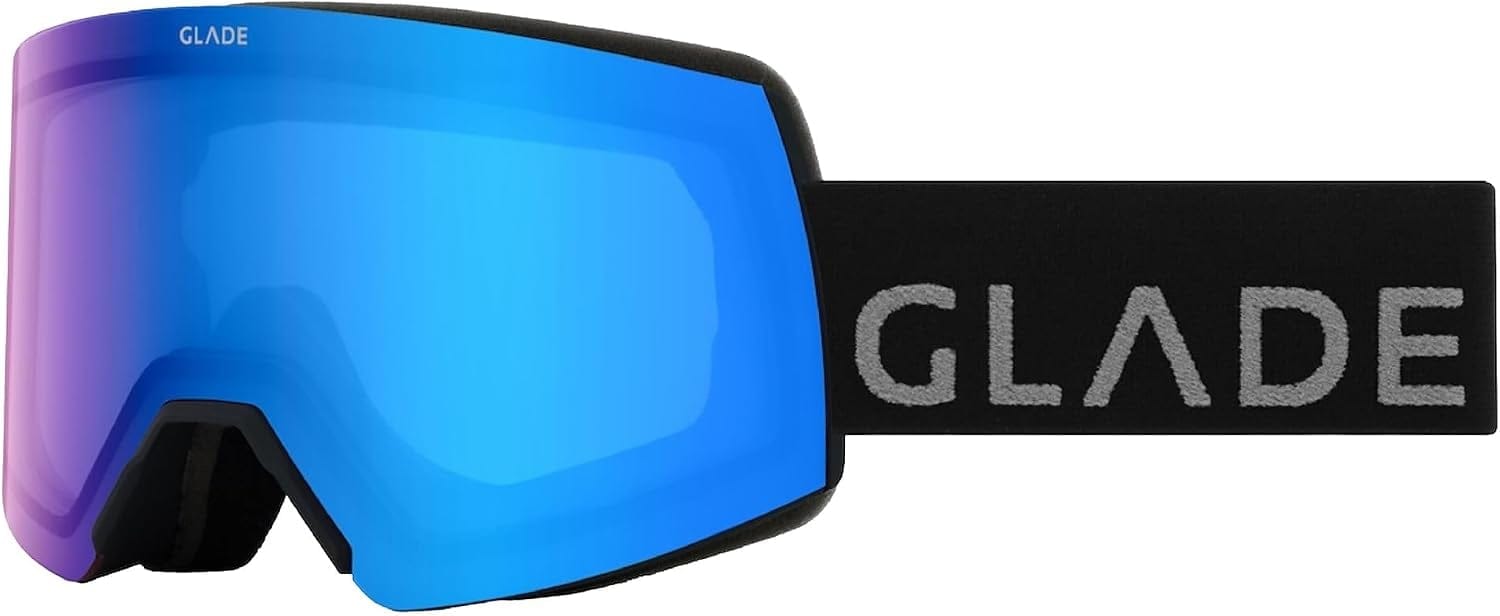 | 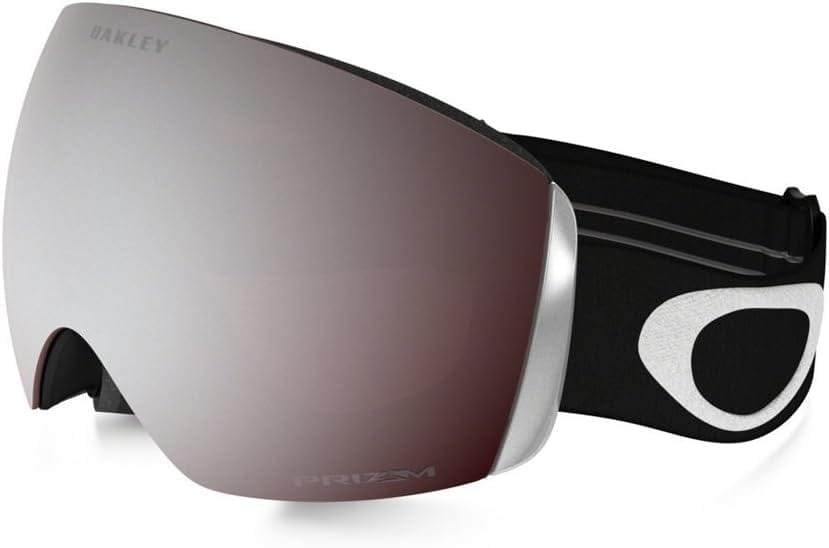 VS | |
| Lens Type | Cylindrical | Spherical, dual-pane (rimless) |
| Lens Change System | Interchangeable lens, non-magnetic (no quick-change mechanism) | Ridgelock lens change system |
| Included Lenses | 1: REVEAL photochromic lens (installed); VLT range varies by tint | 1 Prizm lens (e.g., Prizm Snow Black Iridium 5.5% VLT); VLT varies by colorway |
| Size | Medium/Large fit | L (large fit); M version available |
| OTG Compatibility | Yes (OTG; fits most glasses under 5.5 × 2 in) | Yes (frame notches fit most prescription eyewear) |
| Lens Technology | REVEAL photochromic (REVEAL 4K option) | Prizm Snow |
| Warranty | 2 years (materials and craftsmanship) | 2 years |
| Anti-fog Coating | Yes (anti-fog coating) | Yes (F3 anti-fog coating) |
| Ventilation | Oversized fog-free vents | N/A |
| Helmet Compatibility | Yes (gap-free fit with Glade helmets) | Yes (rimless frame fits most helmets) |
| Foam Layers | 3 | 3 |
| Case Included | No hard case (microfiber bag with spare lens sleeve) | No hard case (microbag) |
| Glade Optics Adapt 2 | Oakley Flight Deck |
|---|---|
| |
| Lens Type | |
Cylindrical | Spherical, dual-pane (rimless) |
| Lens Change System | |
Interchangeable lens, non-magnetic (no quick-change mechanism) | Ridgelock lens change system |
| Included Lenses | |
1: REVEAL photochromic lens (installed); VLT range varies by tint | 1 Prizm lens (e.g., Prizm Snow Black Iridium 5.5% VLT); VLT varies by colorway |
| Size | |
Medium/Large fit | L (large fit); M version available |
| OTG Compatibility | |
Yes (OTG; fits most glasses under 5.5 × 2 in) | Yes (frame notches fit most prescription eyewear) |
| Lens Technology | |
REVEAL photochromic (REVEAL 4K option) | Prizm Snow |
| Warranty | |
2 years (materials and craftsmanship) | 2 years |
| Anti-fog Coating | |
Yes (anti-fog coating) | Yes (F3 anti-fog coating) |
| Ventilation | |
Oversized fog-free vents | N/A |
| Helmet Compatibility | |
Yes (gap-free fit with Glade helmets) | Yes (rimless frame fits most helmets) |
| Foam Layers | |
3 | 3 |
| Case Included | |
No hard case (microfiber bag with spare lens sleeve) | No hard case (microbag) |
Comfort & Fit
Adapt 2
Flight Deck
Comfort matters most in ski goggles because a poor fit causes pressure points, slipping, and gaps that let in cold air and snow over a full day. The Adapt 2 earns praise for its cushy triple-density foam and flatter, cylindrical shape, and buyers say it fits helmets with no gap. Several shoppers also note that the goggle is comfortable once they get used to it. Some buyers with wider faces, however, report that the frame presses on the nose or sits against the eye. The Flight Deck is the more consistently comfortable goggle, with wide 50mm straps, a silicone grip that stops slipping under a helmet, and triple-layer foam that molds to the face without pressure points. Its fleece lining also helps keep sweat out of your eyes. A few buyers say it is not the most comfortable option for every face shape. For most skiers, the Flight Deck offers the more reliable all-day fit, while the Adapt 2 is a good choice if your face suits a flatter cylindrical frame.
Durability
Adapt 2
Flight Deck
Durability shows up in how well goggles hold up to scratches, lens problems, and rough handling over a season. The Adapt 2 has little buyer feedback about durability, so its score reflects uncertainty rather than a proven strength or weakness. That makes it a safe default but not a verified standout. The Flight Deck draws more specific complaints, including scratches out of the box, lens problems in the first season, and a travel case that is not very sturdy. Buyers also say it is a good protective pick when used carefully. Because the Flight Deck's issues appear repeatedly in feedback, careful handling and checking the lens early are worth it. On this category the Adapt 2 edges ahead, though neither goggle is clearly tough across the board.
Optical Clarity
Adapt 2
Flight Deck
Optical clarity affects how well you read terrain, snow texture, and moguls, especially in flat light. Buyers describe the Adapt 2 as clear and easy on the eyes, with good coverage and visibility that does not require squinting, and its photochromic lens adjusts as light changes. A few complaints keep its score below the leaders. The Flight Deck gets more consistent praise for crisp, high-definition vision in flat light, bright sun, and whiteout conditions. Its large rimless spherical lens gives a wide field of view, which many skiers value on open terrain. Some buyers say clarity varies slightly between models. For most skiers who want the sharpest, widest view across changing conditions, the Flight Deck is the better choice.
Fog Control
Adapt 2
Flight Deck
Fog control is critical on ski days when you move from cold air into warm lodges or work hard on climbs. The Adapt 2 has an anti-fog coating and oversized vents, and buyers mention that the vents and coating help keep the view clear. However, fog feedback is limited, so the performance picture is less complete. The Flight Deck is a clear standout, with a dual-pane lens, an anti-fog coating, airflow-driving vents, and extra nose-bridge foam that seals gaps. Buyers describe it as one of the harder goggles to fog that they have tested. For skiers who run hot or ski through temperature swings, the Flight Deck is the more dependable choice.
Lens Changing
Adapt 2
Flight Deck
Lens changing matters if you ski in different light, from bright sun to storms. The Adapt 2 uses a photochromic lens that adjusts tone to the light on its own, so many skiers rarely need to swap lenses. Interchangeable lenses are possible, but the mount is conventional and non-magnetic, so it is not a quick change. The Flight Deck uses Oakley's Ridgelock system, which makes swapping lenses quick and easy, and all models share the setup. Some buyers prefer the older lens system and feel the newer one is nearly identical, so the experience may feel average compared with the goggle's other strengths. Because the Adapt 2 handles most light shifts automatically, it is the more practical choice for skiers who do not want to carry spare lenses.
Style
Adapt 2
Flight Deck
Style matters because many skiers want goggles that look good with their helmet and jacket. The Adapt 2 has a classic cylindrical, squared-off look that buyers say pairs nicely with helmets. The Flight Deck gets much stronger attention for its spherical bubble shape, rimless frame, wide straps, and blacked-out stealth colorway. Its streamlined profile also sits well under a helmet. Buyers see it as a strong option for shoppers who want goggles that look as good on the mountain as they perform. If you prefer a classic, understated look, the Adapt 2 holds its own, but the Flight Deck is the more fashionable pick.
Trust & Transparency
- Data-driven rankings from real user reviews
- Affiliate partnerships don't influence our methodology
We may earn commission from links.
Conclusion & Final Verdict:
Pick the Flight Deck if comfort, fog control, wide and crisp vision, quick lens changes, and style matter most, and you are willing to check the lens and case early because durability is its weak spot.
Pick the Adapt 2 if you have a face that suits a flatter cylindrical frame, want a photochromic lens that adjusts without spare lenses, and prefer a classic squared-off look that pairs well with a helmet.
Related Comparisons
Glade Optics Adapt 2vsOakley Line Miner
The Glade Optics Adapt 2 suits skiers who want a flatter, cushy fit, a photochromic lens that handles changing light, and a gap-free helmet seal. The Oakley Line Miner is the better pick for sharper optics, stronger anti-fog performance, a more comfortable prescription insert fit, and a more distinctive look.
Glade Optics Adapt 2vsOutdoorMaster PRO Magnetic
The OutdoorMaster PRO Magnetic is the stronger all-round pick, with clearer optics, better fog control and a magnetic lens swap that takes seconds. The Glade Optics Adapt 2 suits riders who want a flatter cylindrical fit, cushy foam and a helmet-friendly seal, and who rarely need to change lenses.
Glade Optics Adapt 2vsSmith Squad MAG
The Adapt 2 is the better pick for skiers who want a comfortable, helmet-friendly goggle with a photochromic lens that handles changing light without swapping, plus OTG compatibility. The Squad MAG suits riders who prioritize top-tier optics, the fastest magnetic lens changes, and the strongest anti-fog performance.
Smith 4D MAGvsGlade Optics Adapt 2
The Smith 4D MAG is the better choice for skiers who want fast magnetic lens swaps, a wide lower view, and a hard case, especially on Smith helmets. The Glade Optics Adapt 2 suits buyers with wider faces or OTG needs who want a cylindrical fit and a photochromic lens that handles changing light without swaps.
Smith I/O MAGvsGlade Optics Adapt 2
The Smith I/O MAG is the more versatile pick, with spherical ChromaPop optics, a magnetic two-lens swap, and stronger fog control for skiers facing changing weather. The Glade Optics Adapt 2 suits buyers who want a flatter cylindrical fit, a photochromic lens that adjusts on its own, and OTG compatibility for wearing over glasses.
Smith I/O MAGvsOakley Flight Deck
The I/O MAG is the better pick for skiers whose conditions change often, thanks to its quick magnetic lens swap, ChromaPop optics, and AirEvac venting. The Flight Deck suits buyers who prioritize a wide view, a stronger fog-resistant design, and OTG compatibility over lens-change speed.