
Smith I/O MAG vs Glade Optics Adapt 2
Why You Can Trust Us
- Side-by-side analysis based on real user feedback
- Unbiased comparisons, not influenced by partnerships
- Updated as new data becomes available
We may earn from affiliate links at no extra cost to you.
| I/O MAG | Adapt 2 | |
|---|---|---|
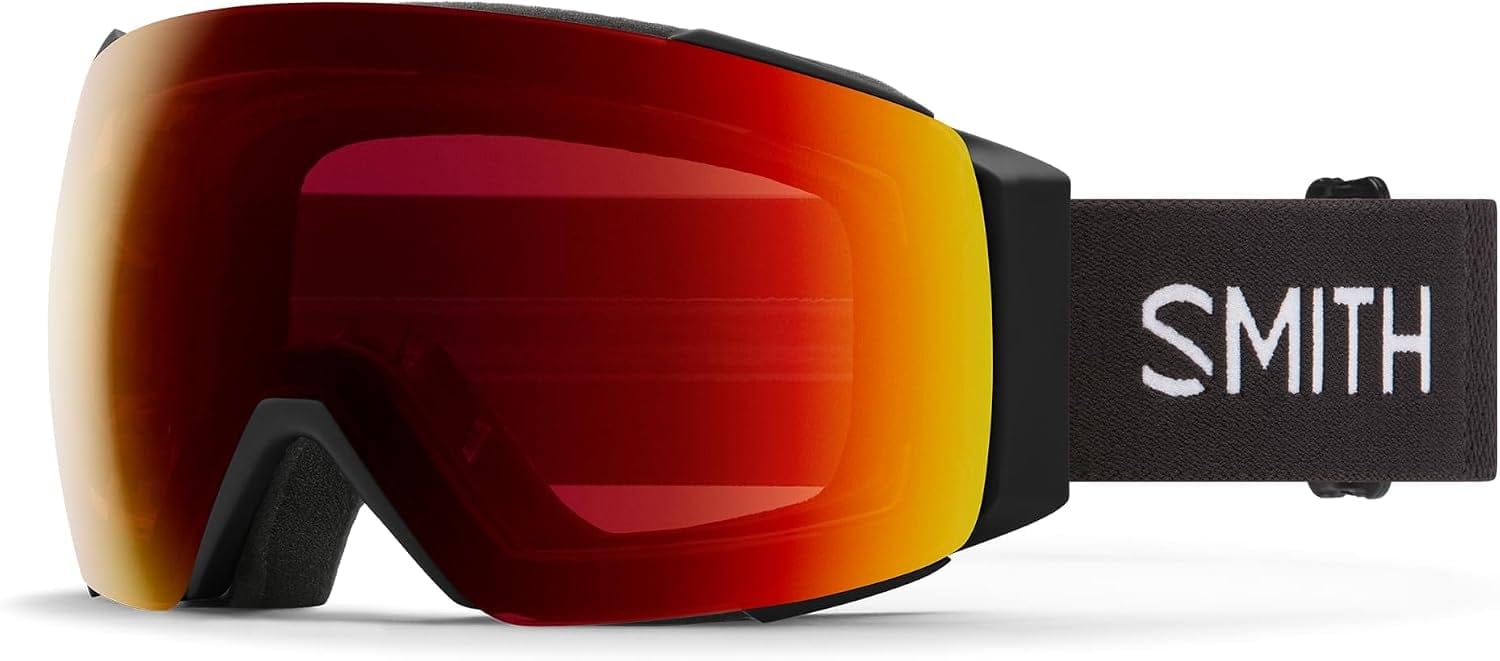 | 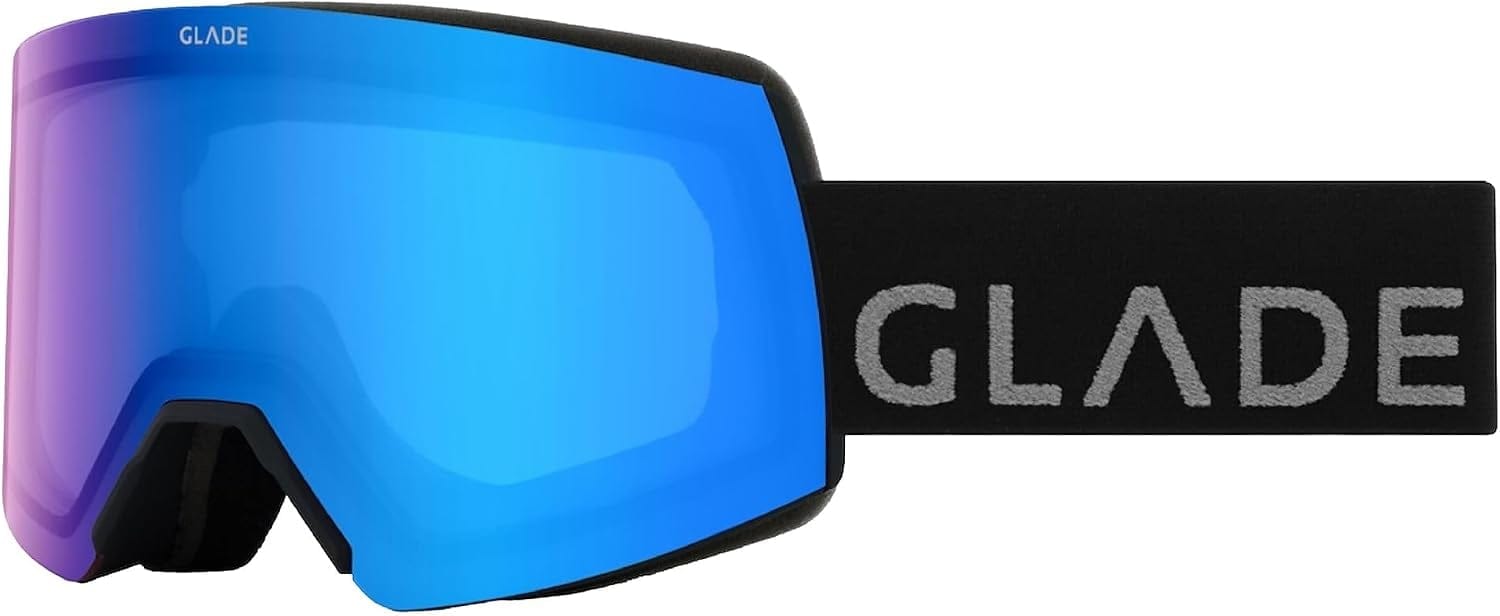 VS | |
| Lens Type | Spherical | Cylindrical |
| Lens Change System | MAG magnetic lens change system | Interchangeable lens, non-magnetic (no quick-change mechanism) |
| Included Lenses | 2: ChromaPop bright-light lens (installed) + ChromaPop low-light bonus lens; VLT varies by colorway | 1: REVEAL photochromic lens (installed); VLT range varies by tint |
| Size | Medium fit; Low Bridge Fit available | Medium/Large fit |
| OTG Compatibility | Not OTG-rated (Smith sells separate OTG models) | Yes (OTG; fits most glasses under 5.5 × 2 in) |
| Lens Technology | ChromaPop | REVEAL photochromic (REVEAL 4K option) |
| Warranty | Limited lifetime (manufacturer defects) | 2 years (materials and craftsmanship) |
| Anti-fog Coating | 5X anti-fog inner lens | Yes (anti-fog coating) |
| Ventilation | AirEvac ventilation (integrates with Smith helmets) | Oversized fog-free vents |
| Helmet Compatibility | Designed for Smith helmet integration | Yes (gap-free fit with Glade helmets) |
| Foam Layers | 3 (DriWix face foam) | 3 |
| Case Included | No hard case (microfiber bag with lens sleeve) | No hard case (microfiber bag with spare lens sleeve) |
| Smith I/O MAG | Glade Optics Adapt 2 |
|---|---|
| |
| Lens Type | |
Spherical | Cylindrical |
| Lens Change System | |
MAG magnetic lens change system | Interchangeable lens, non-magnetic (no quick-change mechanism) |
| Included Lenses | |
2: ChromaPop bright-light lens (installed) + ChromaPop low-light bonus lens; VLT varies by colorway | 1: REVEAL photochromic lens (installed); VLT range varies by tint |
| Size | |
Medium fit; Low Bridge Fit available | Medium/Large fit |
| OTG Compatibility | |
Not OTG-rated (Smith sells separate OTG models) | Yes (OTG; fits most glasses under 5.5 × 2 in) |
| Lens Technology | |
ChromaPop | REVEAL photochromic (REVEAL 4K option) |
| Warranty | |
Limited lifetime (manufacturer defects) | 2 years (materials and craftsmanship) |
| Anti-fog Coating | |
5X anti-fog inner lens | Yes (anti-fog coating) |
| Ventilation | |
AirEvac ventilation (integrates with Smith helmets) | Oversized fog-free vents |
| Helmet Compatibility | |
Designed for Smith helmet integration | Yes (gap-free fit with Glade helmets) |
| Foam Layers | |
3 (DriWix face foam) | 3 |
| Case Included | |
No hard case (microfiber bag with lens sleeve) | No hard case (microfiber bag with spare lens sleeve) |
Comfort & Fit
I/O MAG
Adapt 2
Comfort matters most in goggles because you wear them for hours, and a poor seal or pressure point can ruin a day on the hill. The I/O MAG earns strong buyer praise for its triple-layer face foam, silicone-lined strap, and rubberized grip that keeps the goggle in place under a helmet or beanie. Its fit depends on head size, though, with some buyers finding the medium too snug and the XL a better match for larger heads, while smaller or narrower faces may find it less secure. The Adapt 2 is described as cushy, with triple-density foam and a flatter cylindrical shape that sits well against the face and leaves no gap when paired with a helmet. Some wider-faced skiers report pressure on the nose or contact against the eye, which is the main drawback of its shape. Overall the I/O MAG wins this category for most buyers thanks to more consistent praise for padding, grip, and helmet security, while the Adapt 2 is a strong option if you have a standard face and prefer a flatter profile.
Durability
I/O MAG
Adapt 2
Durability determines whether goggles last through several seasons of wear, exposure to cold, and repeated lens swaps. Owners of the I/O MAG say it continues to hold up well after years of use, which makes it a dependable choice for regular skiers. Feedback on the Adapt 2 is too thin to say much about long-term wear, so its score reflects limited evidence rather than a known weakness. Both come with warranties, but the I/O MAG offers a limited lifetime warranty for manufacturer defects while the Adapt 2 is covered for two years. If you ski often and want goggles that last, the I/O MAG has the stronger track record, while the Adapt 2 is harder to judge on durability alone.
Optical Clarity
I/O MAG
Adapt 2
Optics are the reason most skiers buy goggles, since they determine how well you read terrain, snow texture, and changing light. The I/O MAG's spherical lens and ChromaPop coating are praised for sharp detail, strong color contrast, and good visibility in low light, which suits shoppers who ski through flat or shifting conditions. Some buyers note that peripheral vision is narrower on one model, so check the version if side view matters to you. The Adapt 2 gets positive comments for clear sightlines without squinting and good coverage, and its photochromic lens adjusts to the light on its own. A few complaints keep its clarity score below the I/O MAG, and it lacks the same level of color definition praised for the spherical lens. For most buyers who prioritize crisp detail and low-light performance, the I/O MAG is the stronger choice, while the Adapt 2 remains a solid pick for clear, comfortable viewing.
Fog Control
I/O MAG
Adapt 2
Fog can ruin a ski day faster than almost anything, especially in storms, cold snaps, or when you stop and start during heavy exertion. The I/O MAG's anti-fog treatment and AirEvac venting are a standout, with owners reporting clear viewing even on stormy days and no need for frequent wiping. Its spherical design also adds air volume that helps reduce fogging. The Adapt 2 has an anti-fog coating and oversized brim vents that buyers describe as effective, but fog feedback is limited, so its score stays more measured. If fog resistance is a top concern, the I/O MAG is the more proven choice, while the Adapt 2 should still perform well for most conditions.
Lens Changing
I/O MAG
Adapt 2
Lens changing matters when weather shifts during the day and you want to move between bright and low-light lenses quickly. The I/O MAG uses a magnetic system with two included lenses, and buyers praise how easily the shield snaps back into place. Some find the swap harder on one model, so comparing versions before buying is worth the effort. The Adapt 2 relies on a photochromic lens that adjusts tint automatically, which means many skiers rarely need to swap at all. Changing its lens is possible but uses a conventional, non-magnetic mount, and a few buyers question how fully the photochromic claim holds up. If you want fast manual swaps, the I/O MAG is the clear winner, while the Adapt 2 is appealing for people who prefer a set-and-forget lens.
Style
I/O MAG
Adapt 2
Style affects which goggles you will actually want to wear every day, and it shapes how well they pair with your helmet and outfit. The I/O MAG comes in a wide range of colorways, from bold high-tech designs to a more traditional Royal Navy look, so it suits many tastes. The Adapt 2 has a classic cylindrical, squared-off look that buyers say pairs nicely with a helmet and looks good on the slope. Shoppers who want a clean, understated frame will likely prefer the Adapt 2's classic profile, while those who want variety and a modern aesthetic will lean toward the I/O MAG. This category is preference-driven, but the Adapt 2 earns a slight edge for its consistent praise of its timeless shape.
Trust & Transparency
- Data-driven rankings from real user reviews
- Affiliate partnerships don't influence our methodology
We may earn commission from links.
Conclusion & Final Verdict:
Choose the Smith I/O MAG if you ski in changing weather and want the strongest optics, fog control, and quick lens swapping. It also suits buyers who want a long track record of durability and a wide range of colorways.
Choose the Glade Optics Adapt 2 if you want a classic, flatter cylindrical fit, a photochromic lens that adjusts without swapping, or OTG compatibility for wearing over glasses. It is a solid pick for standard faces and skiers who value a timeless look.
For most skiers who want one goggle that handles the widest range of conditions, the I/O MAG is the better overall buy.
Related Comparisons
Smith I/O MAGvsAnon M5
The Smith I/O MAG is the better pick for variable weather, with a spherical ChromaPop lens, strong fog control, and a lifetime warranty. The Anon M5 suits skiers who want a sleeker rimless look and distortion-free peripheral vision.
Smith I/O MAGvsDragon NFX MAG OTG
The I/O MAG suits skiers who want the most comfort, optics, and fog control across changing weather and helmet use. The NFX MAG OTG is the pick for OTG wear over glasses, a wider lens-swap experience, and a sleeker, tougher look.
Smith I/O MAGvsGiro Axis
The Smith I/O MAG is the more versatile pick, with stronger fog control, a magnetic lens swap that suits shifting weather, and a secure, plush fit for most skiers. The Giro Axis suits buyers who want a wide frameless view, a low-profile helmet fit, and a distinctive look, but it trails on fog control and durability.
Smith I/O MAGvsGiro Contour
The Smith I/O MAG is the stronger choice for skiers facing changing weather, with better fog control and quicker magnetic lens swaps. The Giro Contour suits riders who put comfort and crisp, wide-view optics first and can accept more fogging in wet or high-effort conditions.
Smith I/O MAGvsOakley Flight Deck
The I/O MAG is the better pick for skiers whose conditions change often, thanks to its quick magnetic lens swap, ChromaPop optics, and AirEvac venting. The Flight Deck suits buyers who prioritize a wide view, a stronger fog-resistant design, and OTG compatibility over lens-change speed.
Smith I/O MAGvsOakley Flow Scape
The Smith I/O MAG is the better pick for skiers who change lenses often across shifting weather, thanks to its easy magnetic swap and comfortable fit on a helmet. The Oakley Flow Scape suits skiers who put optics first, with a wider, sharper view of snow texture and a stronger case included.