
Smith I/O MAG vs Giro Axis
Why You Can Trust Us
- Side-by-side analysis based on real user feedback
- Unbiased comparisons, not influenced by partnerships
- Updated as new data becomes available
We may earn from affiliate links at no extra cost to you.
| I/O MAG | Axis | |
|---|---|---|
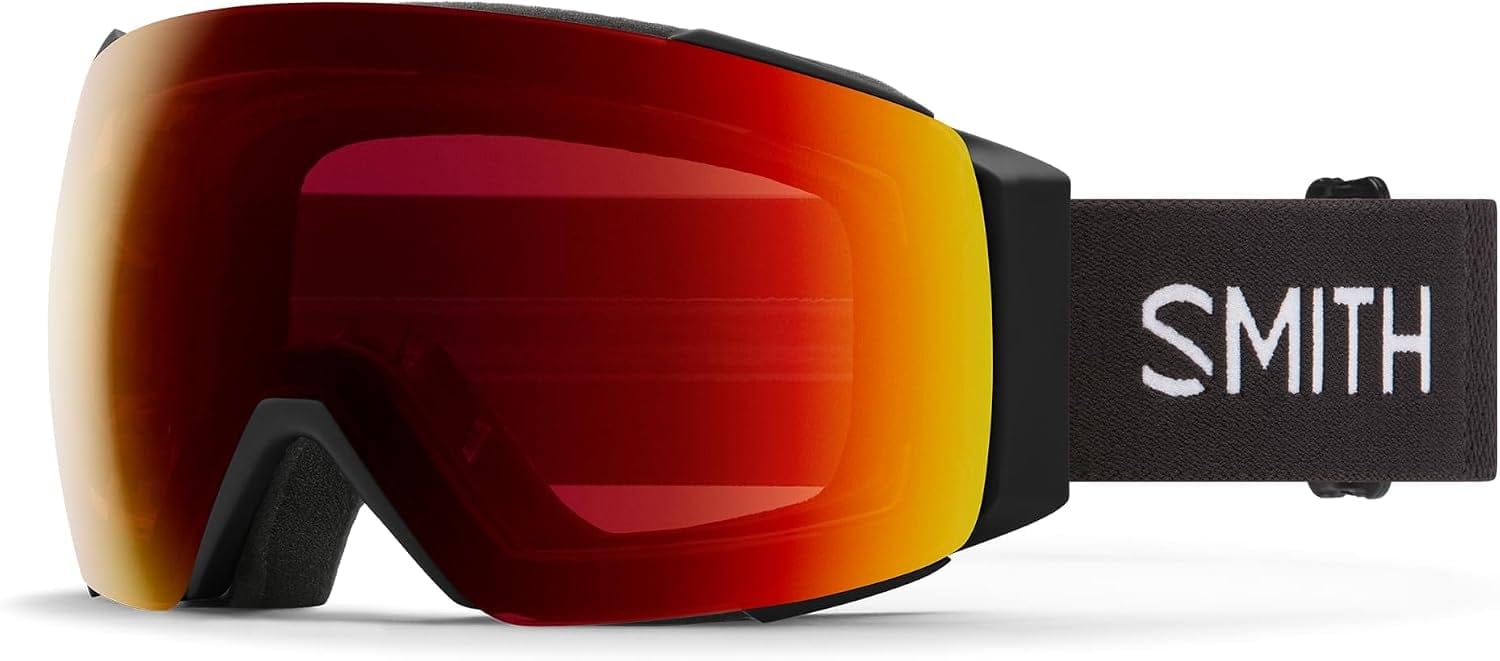 | 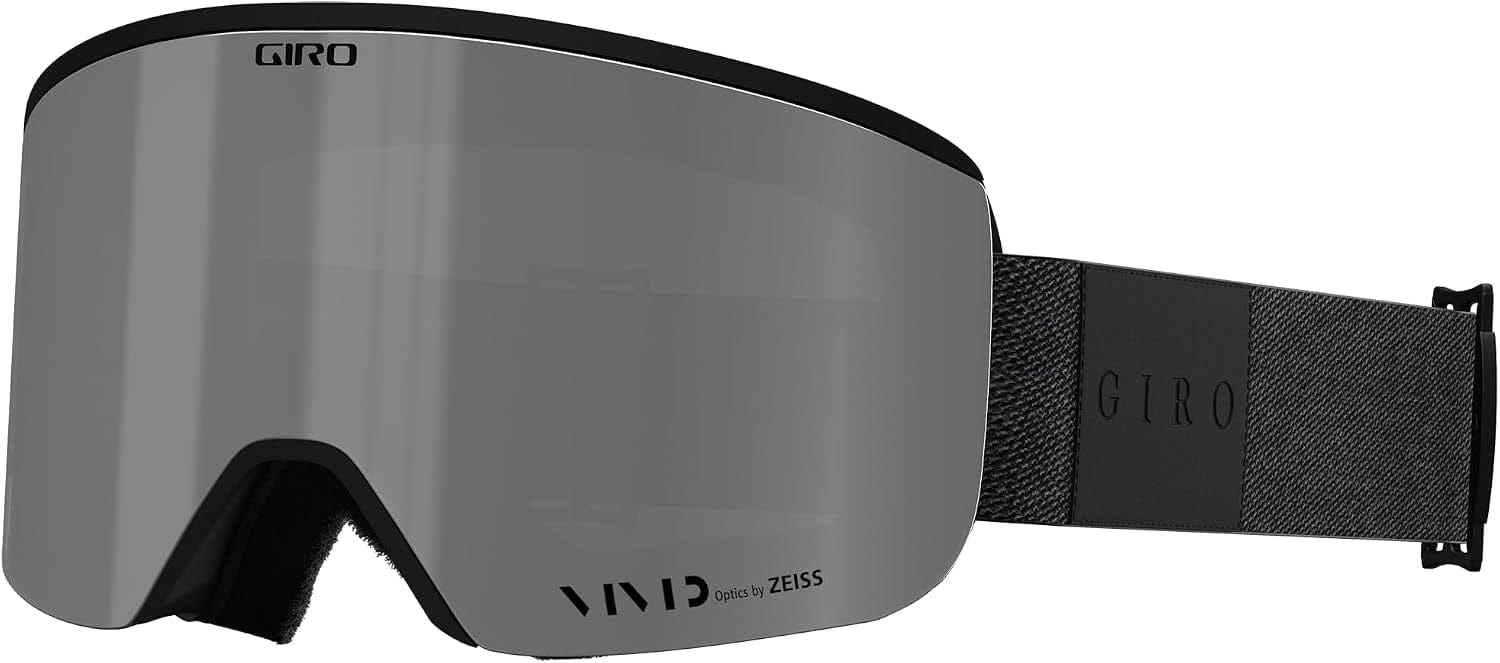 VS | |
| Lens Type | Spherical | Cylindrical (injection-molded) |
| Lens Change System | MAG magnetic lens change system | Quick Change Lens System (magnets + 4 snap pins) |
| Included Lenses | 2: ChromaPop bright-light lens (installed) + ChromaPop low-light bonus lens; VLT varies by colorway | 2: VIVID sun/all-conditions lens + VIVID Infrared storm/low-light lens |
| Size | Medium fit; Low Bridge Fit available | Medium fit |
| OTG Compatibility | Not OTG-rated (Smith sells separate OTG models) | Not specified by maker |
| Lens Technology | ChromaPop | VIVID with Optics by ZEISS; Expansion View (EXV) |
| Warranty | Limited lifetime (manufacturer defects) | 1 year |
| Anti-fog Coating | 5X anti-fog inner lens | Yes (anti-fog lens coating) |
| Ventilation | AirEvac ventilation (integrates with Smith helmets) | EVAK Vent Technology |
| Helmet Compatibility | Designed for Smith helmet integration | Designed for Giro helmet integration |
| Foam Layers | 3 (DriWix face foam) | N/A |
| Case Included | No hard case (microfiber bag with lens sleeve) | N/A |
| Smith I/O MAG | Giro Axis |
|---|---|
| |
| Lens Type | |
Spherical | Cylindrical (injection-molded) |
| Lens Change System | |
MAG magnetic lens change system | Quick Change Lens System (magnets + 4 snap pins) |
| Included Lenses | |
2: ChromaPop bright-light lens (installed) + ChromaPop low-light bonus lens; VLT varies by colorway | 2: VIVID sun/all-conditions lens + VIVID Infrared storm/low-light lens |
| Size | |
Medium fit; Low Bridge Fit available | Medium fit |
| OTG Compatibility | |
Not OTG-rated (Smith sells separate OTG models) | Not specified by maker |
| Lens Technology | |
ChromaPop | VIVID with Optics by ZEISS; Expansion View (EXV) |
| Warranty | |
Limited lifetime (manufacturer defects) | 1 year |
| Anti-fog Coating | |
5X anti-fog inner lens | Yes (anti-fog lens coating) |
| Ventilation | |
AirEvac ventilation (integrates with Smith helmets) | EVAK Vent Technology |
| Helmet Compatibility | |
Designed for Smith helmet integration | Designed for Giro helmet integration |
| Foam Layers | |
3 (DriWix face foam) | N/A |
| Case Included | |
No hard case (microfiber bag with lens sleeve) | N/A |
Comfort & Fit
I/O MAG
Axis
Comfort decides whether goggles stay on for a full day, and in ski goggles that depends on how the foam, strap, and helmet interface hold up on your head. The I/O MAG earned a 4.6 out of 5 here, with buyers praising its triple-layer face foam with moisture wicking, a silicone-lined strap that stays put over a helmet, and a rubberized inside grip that holds under a beanie. Its small, medium, and XL sizing and a Low Bridge option help a range of face shapes, though some reviewers say smaller or narrower faces find it snug or less secure. The Axis scored 4.2, with reviewers describing a low-profile clip that sits well under a helmet, a nose area that does not pinch, and a silicone inlay and non-slip strap that keep it planted. It also fits over prescription glasses, but some owners note pressure points and looseness that vary by head shape. Overall the I/O MAG is the stronger pick for most fits, while buyers with narrower faces who want a low-profile, nose-friendly fit should try the Axis on first.
Durability
I/O MAG
Axis
Durability matters because goggles get tossed in bags, bumped by helmets, and exposed to cold and sun across many seasons. Owners say the I/O MAG still holds up well after years of use, though this comes from a smaller set of long-term reports rather than detailed impact testing. The Axis scored 3.2, with reviewers pointing to injection-molded lenses and a non-absorbent foam as real build strengths. However, some report lenses that became damaged beyond repair and plastic parts breaking after a few seasons. Frequent or hard skiers should weigh that risk, and on this evidence the I/O MAG is the safer long-term choice.
Optical Clarity
I/O MAG
Axis
Optics affect how well you read terrain, bumps, and contrast in flat light. The I/O MAG's spherical lens and ChromaPop coating are praised for sharp detail, color contrast, and strong low-light visibility, and buyers say vision never fully disappears in dim conditions. Prescription inserts are noted as helpful. Some buyers mention narrower peripheral vision on one model, so side view matters if you check it carefully. The Axis's frameless cylindrical design gives a wide field of view, and reviewers highlight sharper vision, better depth perception, and clear visual quality in snow. Its advantage is the open, wide-angle view, while the I/O MAG wins on overall crispness and low-light performance. Buyers who prioritize a wide view should consider the Axis, while those wanting the most reliable clarity across conditions should choose the I/O MAG.
Fog Control
I/O MAG
Axis
Fog is the most common complaint with ski goggles, especially during hard climbs and on storm days. The I/O MAG's anti-fog inner coating and AirEvac venting are a standout, with reviewers reporting clear viewing on stormy days and through temperature swings, and the spherical design adds air volume that helps. The Axis uses EVAK venting and a foam that lets moisture escape while keeping water out, and reviewers say the anti-fog coating is a plus for everyday skiing. However, fogging still shows up during high-intensity effort or on very foggy trails, and the foam needs to dry fully overnight or it can stay damp. For skiers who push hard or ski in variable weather, the I/O MAG is clearly the better choice.
Lens Changing
I/O MAG
Axis
Quick lens swaps matter when clouds roll in or the sun breaks out mid-morning. Both goggles use magnets, and the I/O MAG's MAG system is praised for quick, easy swaps between its bright-light and low-light lenses, with magnets that guide the shield back into place. Some owners find the swap harder on one version, so check the model before buying. The Axis's self-locating magnetic lenses also swap quickly, and reviewers like how the lens comes off and clicks back on. But several report lenses that do not always snap securely and can pop off, so check the lock before heading down the hill. The I/O MAG is more consistently praised, making it the better pick for frequent changes.
Style
I/O MAG
Axis
Style is about how the goggles look on the hill and how well they suit your taste. The I/O MAG comes in a wide range of colorways, from bold, high-tech looks to a more traditional Royal Navy style, so it appeals to a broad audience. The Axis is often praised for its many color options and its frameless design, which reviewers describe as drippy, and the drippy patch is a standout detail. Since style is preference-driven, the Axis has the more distinctive look, while the I/O MAG offers more variety across tones. Buyers who want something a bit different on the slopes should pick the Axis.
Trust & Transparency
- Data-driven rankings from real user reviews
- Affiliate partnerships don't influence our methodology
We may earn commission from links.
Conclusion & Final Verdict:
Choose the Smith I/O MAG if you want one pair of goggles that handles storms, hard efforts, and frequent lens swaps, with a comfortable fit, strong fog control, a long warranty, and a more durable reputation.
Choose the Giro Axis if your priorities are a wide, frameless field of view, a low-profile fit that works well under a helmet and with prescription glasses, and a more distinctive look. Just plan for more attention to fog and lens lock, and treat durability as a bigger risk for hard or frequent skiers.
Related Comparisons
Smith I/O MAGvsDragon NFX MAG OTG
The I/O MAG suits skiers who want the most comfort, optics, and fog control across changing weather and helmet use. The NFX MAG OTG is the pick for OTG wear over glasses, a wider lens-swap experience, and a sleeker, tougher look.
Smith I/O MAGvsGiro Contour
The Smith I/O MAG is the stronger choice for skiers facing changing weather, with better fog control and quicker magnetic lens swaps. The Giro Contour suits riders who put comfort and crisp, wide-view optics first and can accept more fogging in wet or high-effort conditions.
Smith I/O MAGvsOakley Flow Scape
The Smith I/O MAG is the better pick for skiers who change lenses often across shifting weather, thanks to its easy magnetic swap and comfortable fit on a helmet. The Oakley Flow Scape suits skiers who put optics first, with a wider, sharper view of snow texture and a stronger case included.
Smith I/O MAGvsOutdoorMaster PRO Magnetic
The Smith I/O MAG suits skiers who want one versatile goggle with two included magnetic lenses, strong optics, and a plush, secure fit over helmets. The OutdoorMaster PRO Magnetic is the better choice for riders who prioritize a close, wide-view fit, fast lens swaps, and OTG compatibility.
SPY Optic MaraudervsGiro Axis
The SPY Optic Marauder is the stronger choice for comfort, optics, fog control, and a two-year warranty, making it the better pick for long days on the mountain. The Giro Axis suits skiers who want a frameless, low-profile goggle with a distinctive drippy look and a helmet-integrated fit.
SPY Optic MaraudervsAnon M5
The SPY Optic Marauder is the better choice for buyers who prioritize comfort, fog control and a longer warranty, while the Anon M5 suits those who want a rimless look, quicker lens swaps and a flat, low-distortion view. Both offer strong optics, so fit and style should guide the final pick.