
Smith I/O MAG vs Giro Contour
Why You Can Trust Us
- Side-by-side analysis based on real user feedback
- Unbiased comparisons, not influenced by partnerships
- Updated as new data becomes available
We may earn from affiliate links at no extra cost to you.
| I/O MAG | Contour | |
|---|---|---|
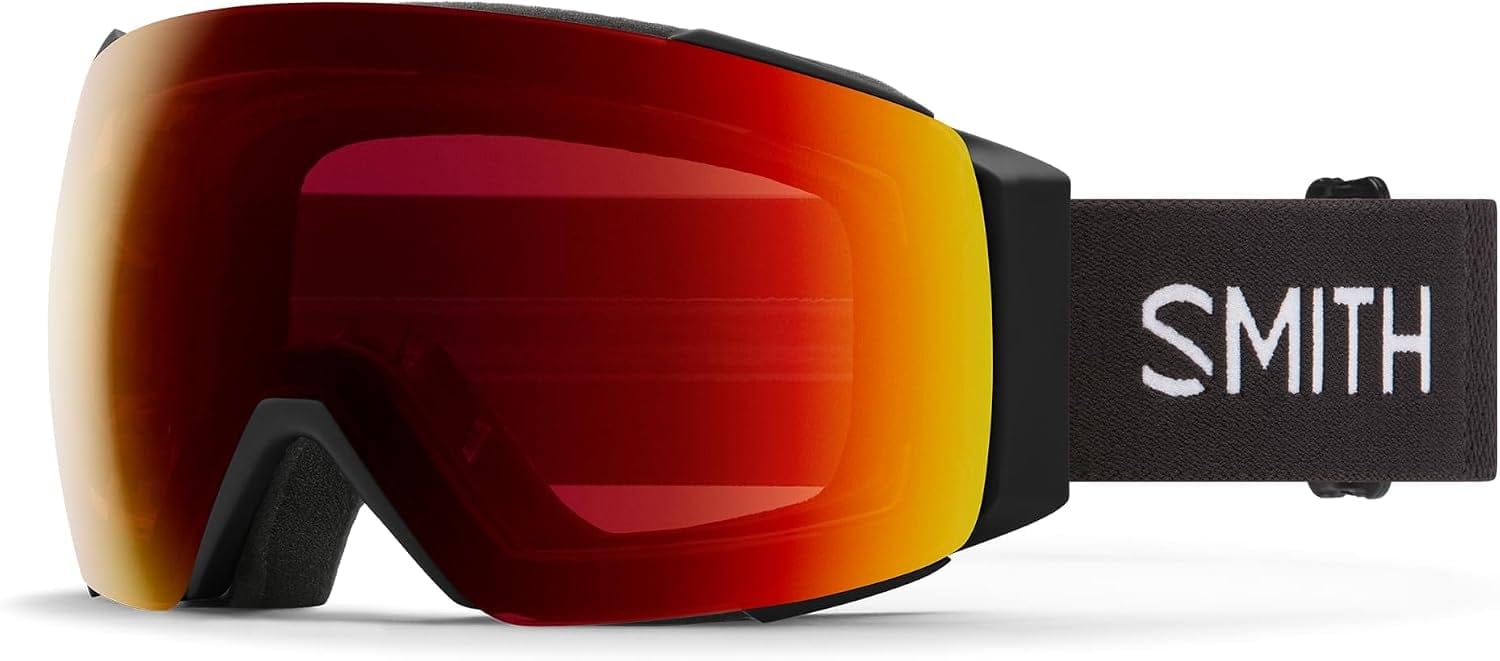 | 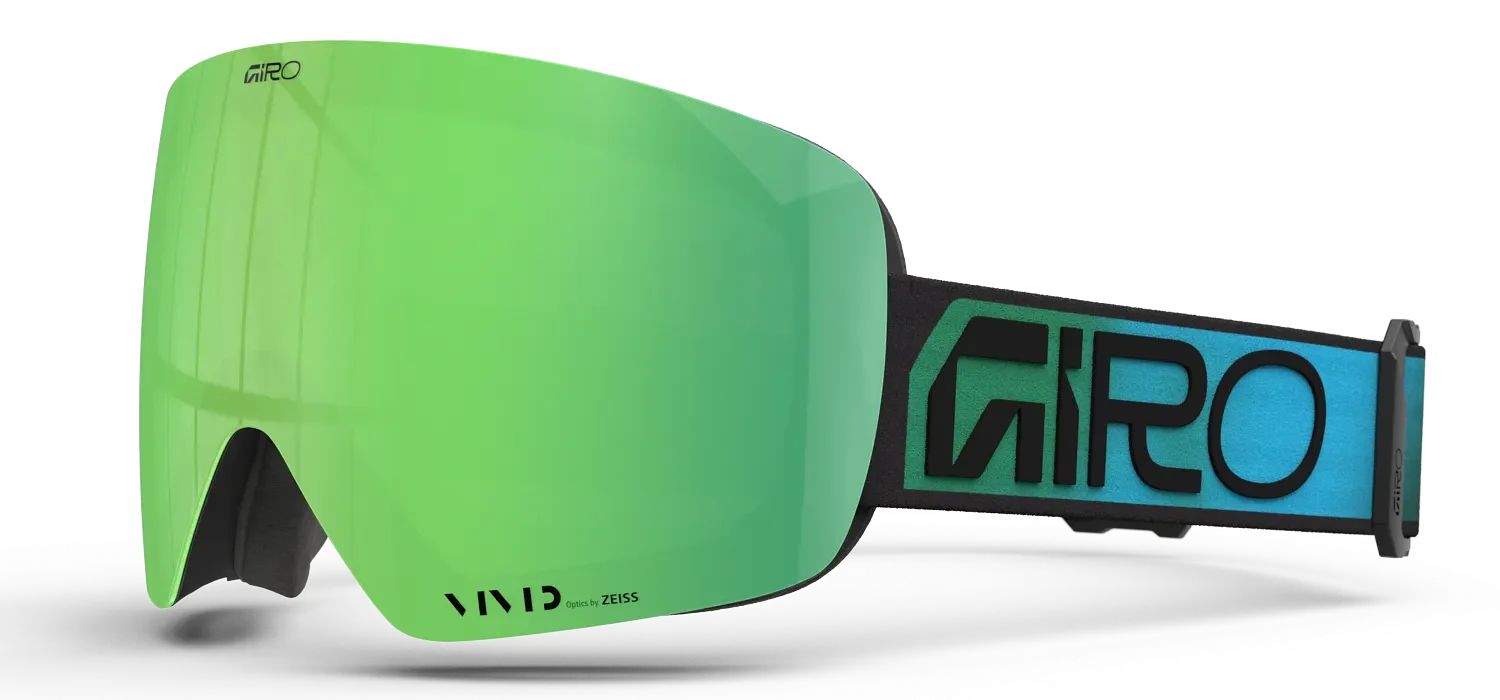 VS | |
| Lens Type | Spherical | Toric |
| Lens Change System | MAG magnetic lens change system | Quick Change Lens System (magnets + 4 snap pins) |
| Included Lenses | 2: ChromaPop bright-light lens (installed) + ChromaPop low-light bonus lens; VLT varies by colorway | 2: VIVID main lens + VIVID Infrared low-light bonus lens |
| Size | Medium fit; Low Bridge Fit available | Medium/Large fit; Asian Fit version available |
| OTG Compatibility | Not OTG-rated (Smith sells separate OTG models) | Not specified by maker |
| Lens Technology | ChromaPop | VIVID with Optics by ZEISS; Expansion View (EXV+) |
| Warranty | Limited lifetime (manufacturer defects) | 1 year |
| Anti-fog Coating | 5X anti-fog inner lens | Yes (anti-fog lens coating) |
| Ventilation | AirEvac ventilation (integrates with Smith helmets) | EVAK Vent Technology |
| Helmet Compatibility | Designed for Smith helmet integration | Designed for Giro helmet integration |
| Foam Layers | 3 (DriWix face foam) | N/A |
| Case Included | No hard case (microfiber bag with lens sleeve) | N/A |
| Smith I/O MAG | Giro Contour |
|---|---|
| |
| Lens Type | |
Spherical | Toric |
| Lens Change System | |
MAG magnetic lens change system | Quick Change Lens System (magnets + 4 snap pins) |
| Included Lenses | |
2: ChromaPop bright-light lens (installed) + ChromaPop low-light bonus lens; VLT varies by colorway | 2: VIVID main lens + VIVID Infrared low-light bonus lens |
| Size | |
Medium fit; Low Bridge Fit available | Medium/Large fit; Asian Fit version available |
| OTG Compatibility | |
Not OTG-rated (Smith sells separate OTG models) | Not specified by maker |
| Lens Technology | |
ChromaPop | VIVID with Optics by ZEISS; Expansion View (EXV+) |
| Warranty | |
Limited lifetime (manufacturer defects) | 1 year |
| Anti-fog Coating | |
5X anti-fog inner lens | Yes (anti-fog lens coating) |
| Ventilation | |
AirEvac ventilation (integrates with Smith helmets) | EVAK Vent Technology |
| Helmet Compatibility | |
Designed for Smith helmet integration | Designed for Giro helmet integration |
| Foam Layers | |
3 (DriWix face foam) | N/A |
| Case Included | |
No hard case (microfiber bag with lens sleeve) | N/A |
Comfort & Fit
I/O MAG
Contour
Comfort and fit decide whether a goggle stays on comfortably through a full day, so this category matters more than any single feature. Buyers of the I/O MAG describe a plush triple-layer foam, a silicone-lined strap that stays put over a helmet, and a rubberized grip that holds the lens under a beanie. Its fit depends on head size, though, and some narrower or smaller faces find it snug or less secure, while others prefer the XL or low bridge version. The Contour gets consistently positive feedback for soft triple-layer foam with a microfleece face lining, no reported pressure points, and a fit range that covers many face shapes, with a reduced-size RS option for smaller faces. Reviewers also say it sits cleanly against a helmet and works well over glasses, and the Inform 2 system helps seal gaps against cold air. For most buyers, the Contour is the more reliable pick for comfort across a wide range of faces, while the I/O MAG is a good fit only if your head size matches its sizing.
Durability
I/O MAG
Contour
Durability shows up in how goggles hold together across seasons of use, including foam, lens coatings, and the lens-change hardware. The I/O MAG has relatively few reviews on this, but owners report that it still performs well after years of regular skiing, which makes it a dependable choice for frequent skiers. The Contour's feedback is more mixed: reviewers say the foam and scratch-resistant lens coatings hold up well, but a few report the magnetic lens system feels delicate under rough riding or hard handling. Neither product has deep long-term testing in the available feedback, so the difference is modest. For buyers who expect years of heavy use, the I/O MAG has the cleaner track record, while the Contour is durable in the foam and coating areas but may need careful handling of its lens system.
Optical Clarity
I/O MAG
Contour
Optics determine how well you read terrain, snow texture, and changing light, so this category is central to goggle choice. The I/O MAG earns praise for sharp detail, strong color contrast from ChromaPop, and good visibility in low light, with most feedback positive and few complaints. Some buyers note narrower peripheral vision on one version, so side view should be checked before buying. The Contour gets stronger overall clarity scores, with reviewers describing vivid, crisp images from its Zeiss-optics lens and a rimless toric design that keeps the peripheral view wide. Feedback also highlights good edge clarity and an expanded field of view in trees and open terrain, and complaints are rare. For buyers who want the widest, most vivid view, the Contour has a clear edge, while the I/O MAG remains a strong option for contrast and low-light performance.
Fog Control
I/O MAG
Contour
Fog control matters most on storm days, in wet snow, and during hard climbs or fast runs, when a goggle that fogs can make skiing unsafe. The I/O MAG stands out here, with reviewers reporting clear viewing even on stormy days and in changing temperatures, thanks to its anti-fog treatment and AirEvac venting that pulls warm air out. Buyers also mention that the spherical lens design adds air volume that helps with fog. The Contour's fog performance is its weakest area in the feedback, with reviewers reporting fogging once the foam gets wet or effort rises, and some describing the horizon blurring as the goggles fog. Its anti-fog coatings and vents are credited with helping in many conditions, but reviewers say they are not fog-proof. For buyers who ski in wet or variable weather, the I/O MAG is the clearly safer choice.
Lens Changing
I/O MAG
Contour
Lens changing matters for skiers who move between sunny, flat light and dusk or storm conditions, since a quick, secure swap saves time and keeps goggles in service. The I/O MAG's magnetic MAG system is praised for quick swaps between its bright-light and low-light lenses, with reviewers saying the magnets guide the shield back into place and the lens pops back on easily. A few buyers find the swap harder on one model, so comparing versions helps. The Contour's Quick Change system and included low-light lens are welcome additions, but reviewers say the magnets can grab too eagerly, and some report a lens popping out during mid-run changes. Swapping at dusk can also feel awkward. Overall, the I/O MAG offers the more reliable and easier system, while the Contour's swaps are quick but less secure.
Style
I/O MAG
Contour
Style matters because goggles sit on the face and over a helmet for the entire day, and buyers often want a look that suits their kit. The I/O MAG comes in a wide range of colorways, from bold high-tech designs to a more traditional Royal Navy look, so it appeals to many tastes. Shoppers who want an understated or classic frame will need to check the color options carefully. The Contour is praised for its sleek, slimline frame that avoids a bulky fighter-pilot look and integrates cleanly with a helmet, with reviewers describing it as good looking and performance-driven. A few reviewers find some designs quirky. For buyers who want a sleek, streamlined look that blends with a helmet, the Contour has the edge, while the I/O MAG offers more colorway variety.
Trust & Transparency
- Data-driven rankings from real user reviews
- Affiliate partnerships don't influence our methodology
We may earn commission from links.
Conclusion & Final Verdict:
Choose the Smith I/O MAG if you ski in changing or stormy weather, want fog-resistant goggles, and prefer quick, reliable lens swaps. Its longer warranty and stronger durability record make it a dependable long-term pick, provided the fit suits your head size.
Choose the Giro Contour if comfort across a wide range of faces, a sleek helmet-friendly look, and the sharpest, widest optics matter most, and you ski mostly in drier conditions. Its fog performance and lens-change security are the main trade-offs to weigh.
Related Comparisons
Smith I/O MAGvsAnon M5
The Smith I/O MAG is the better pick for variable weather, with a spherical ChromaPop lens, strong fog control, and a lifetime warranty. The Anon M5 suits skiers who want a sleeker rimless look and distortion-free peripheral vision.
Smith I/O MAGvsDragon NFX MAG OTG
The I/O MAG suits skiers who want the most comfort, optics, and fog control across changing weather and helmet use. The NFX MAG OTG is the pick for OTG wear over glasses, a wider lens-swap experience, and a sleeker, tougher look.
Smith I/O MAGvsGiro Axis
The Smith I/O MAG is the more versatile pick, with stronger fog control, a magnetic lens swap that suits shifting weather, and a secure, plush fit for most skiers. The Giro Axis suits buyers who want a wide frameless view, a low-profile helmet fit, and a distinctive look, but it trails on fog control and durability.
Smith I/O MAGvsGlade Optics Adapt 2
The Smith I/O MAG is the more versatile pick, with spherical ChromaPop optics, a magnetic two-lens swap, and stronger fog control for skiers facing changing weather. The Glade Optics Adapt 2 suits buyers who want a flatter cylindrical fit, a photochromic lens that adjusts on its own, and OTG compatibility for wearing over glasses.
Smith I/O MAGvsOakley Flight Deck
The I/O MAG is the better pick for skiers whose conditions change often, thanks to its quick magnetic lens swap, ChromaPop optics, and AirEvac venting. The Flight Deck suits buyers who prioritize a wide view, a stronger fog-resistant design, and OTG compatibility over lens-change speed.
Smith I/O MAGvsOakley Flow Scape
The Smith I/O MAG is the better pick for skiers who change lenses often across shifting weather, thanks to its easy magnetic swap and comfortable fit on a helmet. The Oakley Flow Scape suits skiers who put optics first, with a wider, sharper view of snow texture and a stronger case included.