
Smith I/O MAG vs Dragon NFX MAG OTG
Why You Can Trust Us
- Side-by-side analysis based on real user feedback
- Unbiased comparisons, not influenced by partnerships
- Updated as new data becomes available
We may earn from affiliate links at no extra cost to you.
| I/O MAG | NFX MAG OTG | |
|---|---|---|
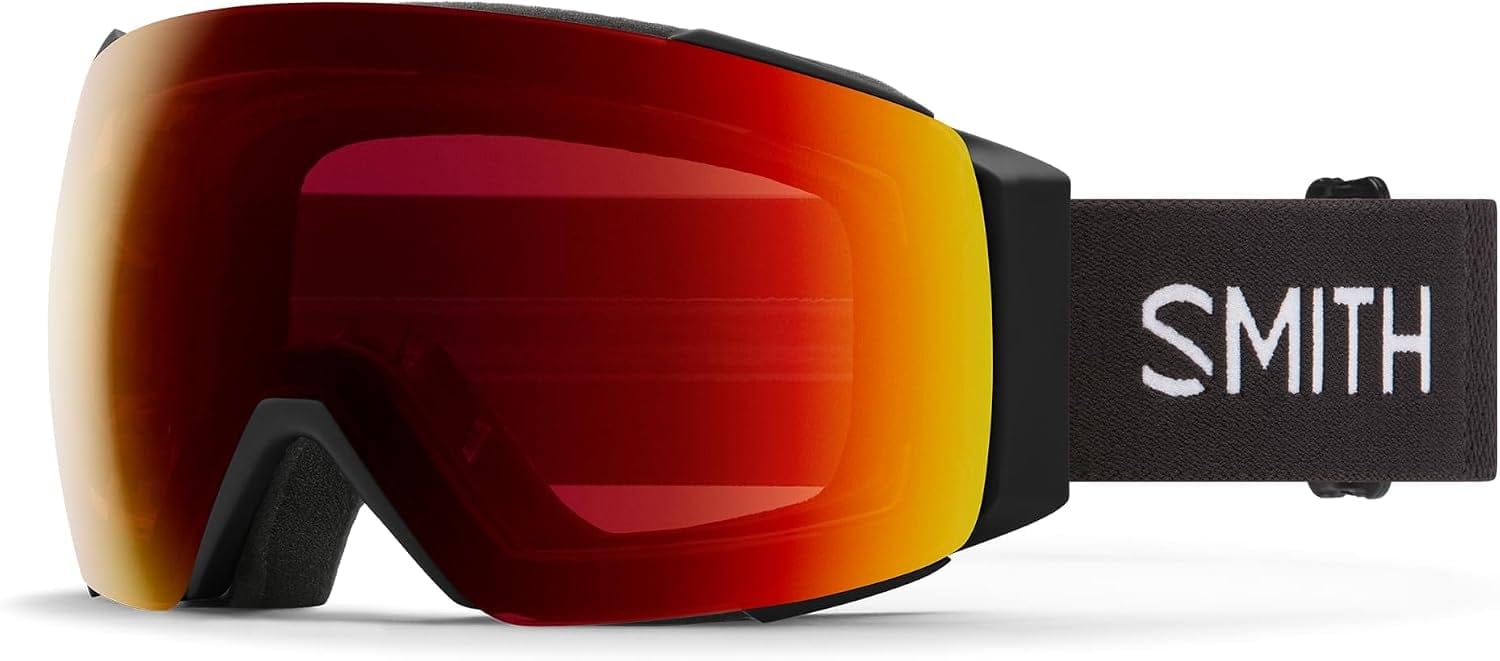 | 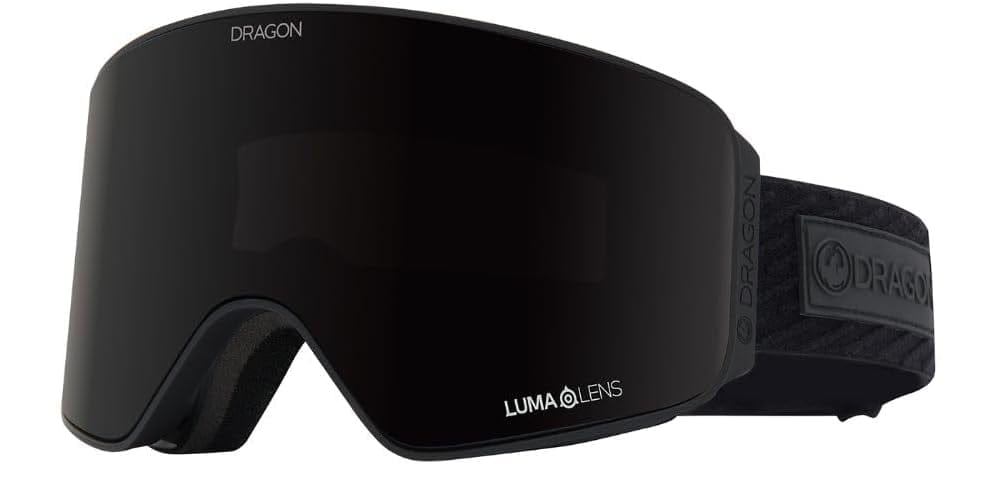 VS | |
| Lens Type | Spherical | Cylindrical (injection-molded) |
| Lens Change System | MAG magnetic lens change system | Swiftlock magnetic lens change system |
| Included Lenses | 2: ChromaPop bright-light lens (installed) + ChromaPop low-light bonus lens; VLT varies by colorway | 2: Lumalens main lens + Lumalens bonus lens (e.g., Midnight 6% VLT + Violet) |
| Size | Medium fit; Low Bridge Fit available | Medium fit |
| OTG Compatibility | Not OTG-rated (Smith sells separate OTG models) | Yes (OTG) |
| Lens Technology | ChromaPop | Lumalens color-optimized |
| Warranty | Limited lifetime (manufacturer defects) | 2 years (manufacturer defects) |
| Anti-fog Coating | 5X anti-fog inner lens | Yes (Super Anti-Fog coating) |
| Ventilation | AirEvac ventilation (integrates with Smith helmets) | Armored venting |
| Helmet Compatibility | Designed for Smith helmet integration | Helmet compatible |
| Foam Layers | 3 (DriWix face foam) | 3 (with micro-fleece lining) |
| Case Included | No hard case (microfiber bag with lens sleeve) | N/A |
| Smith I/O MAG | Dragon NFX MAG OTG |
|---|---|
| |
| Lens Type | |
Spherical | Cylindrical (injection-molded) |
| Lens Change System | |
MAG magnetic lens change system | Swiftlock magnetic lens change system |
| Included Lenses | |
2: ChromaPop bright-light lens (installed) + ChromaPop low-light bonus lens; VLT varies by colorway | 2: Lumalens main lens + Lumalens bonus lens (e.g., Midnight 6% VLT + Violet) |
| Size | |
Medium fit; Low Bridge Fit available | Medium fit |
| OTG Compatibility | |
Not OTG-rated (Smith sells separate OTG models) | Yes (OTG) |
| Lens Technology | |
ChromaPop | Lumalens color-optimized |
| Warranty | |
Limited lifetime (manufacturer defects) | 2 years (manufacturer defects) |
| Anti-fog Coating | |
5X anti-fog inner lens | Yes (Super Anti-Fog coating) |
| Ventilation | |
AirEvac ventilation (integrates with Smith helmets) | Armored venting |
| Helmet Compatibility | |
Designed for Smith helmet integration | Helmet compatible |
| Foam Layers | |
3 (DriWix face foam) | 3 (with micro-fleece lining) |
| Case Included | |
No hard case (microfiber bag with lens sleeve) | N/A |
Comfort & Fit
I/O MAG
NFX MAG OTG
Comfort and fit matter most in goggles because a poor seal or a loose strap can cause pressure, slipping, or cold air leaks over a full day on the mountain. Buyers consistently describe the I/O MAG as comfortable, with triple-layer face foam, a silicone-lined strap that stays put over a helmet and under a beanie, and a rubberized grip that keeps the frame from sliding. Its size options, including small, medium, and XL, help cover a wider range of head shapes, although some narrower-faced or smaller-headed skiers still report it feels snug or less secure. The NFX MAG OTG also earns good marks, with triple-density foam that stays comfortable through long days and a nose seal that sits well on the bridge of the nose. Its main caution is that the foam can feel a little tight around the eye socket, and it is not a large-fitting goggle, so riders with bigger faces may want to try it on first. For most buyers, the I/O MAG is the safer choice for a broad range of head sizes and helmet use, while the NFX MAG OTG is a good fit for riders whose face shape matches its medium profile.
Durability
I/O MAG
NFX MAG OTG
Durability determines whether goggles hold up to scratches, impacts, and repeated lens swaps across multiple seasons. The NFX MAG OTG earns the edge here, with a scratch-resistant hard coat, a hard shell top piece, and armored venting that helps protect the foam when pulling the goggle on and off. Reviewers describe it as tough enough for regular days on the mountain. The I/O MAG has solid long-term reputation, with owners reporting it still holds up well after years of use, but the reviews focus more on wear over time than on impact or specific toughness features. That makes the I/O MAG a dependable pick for regular skiers, while the NFX MAG OTG is the stronger choice for riders who expect rough handling or want extra protection from scratches.
Optical Clarity
I/O MAG
NFX MAG OTG
Optical clarity affects how sharply you read snow texture, bumps, and terrain edges, especially in flat or low light. The I/O MAG has the stronger reputation, with its spherical lens and ChromaPop coating praised for crisp detail, color contrast, and good visibility in low light, and buyers often say visibility never fully disappears in poor conditions. Some reviewers note that peripheral vision can be narrower on one version, so checking the specific model matters if side view is important to you. The NFX MAG OTG offers a wide, unobstructed field of view and improved depth perception and color optimization that make terrain easier to read. Its trade-off is slight blockage at the edges of the periphery, which some riders will notice. Overall, the I/O MAG is the better choice for riders who prioritize sharp detail and low-light performance, while the NFX MAG OTG suits those who value a clean, open view and depth cues.
Fog Control
I/O MAG
NFX MAG OTG
Fog control is one of the biggest day-to-day concerns for goggles, especially during storms, sudden temperature swings, or hard breathing on climbs. The I/O MAG stands out with its anti-fog treatment and AirEvac ventilation, which buyers say pulls warm air out and keeps the lens clear even on stormy days. Its spherical design also adds air volume that helps prevent fogging. The NFX MAG OTG has a well-regarded anti-fog coating that many reviewers call one of the best, and fogging is rarely reported during testing. Its top vent helps airflow, but the minimal bottom venting may reduce ventilation in some conditions. Both goggles handle fog well, but the I/O MAG has the stronger ventilation story and is the better choice for riders who ski in wet, stormy, or rapidly changing weather.
Lens Changing
I/O MAG
NFX MAG OTG
Lens changing is central to the MAG concept, since quick swaps between bright and low-light lenses help riders adapt when conditions shift. The I/O MAG uses a magnetic MAG system that guides the shield back into place and makes swapping quick for most users, though some buyers find the release harder on one model. The NFX MAG OTG uses the Swiftlock magnetic system, which reviewers praise for letting riders change lenses quickly, often with one hand, and for its cleaner and more refined design compared with older versions. Both systems are well regarded, and each has a small caveat depending on the version. Because both deliver fast swaps and included bonus lenses, this category is effectively even, with the NFX MAG OTG having a slight edge for one-hand convenience.
Style
I/O MAG
NFX MAG OTG
Style matters because goggles are a visible part of a rider's kit and shoppers often want a look that matches their helmet and jacket. The I/O MAG comes in a wide range of colorways, from bold high-tech designs to a more traditional Royal Navy look, so it appeals to many tastes. Buyers who want a very understated or classic frame should check the color options carefully. The NFX MAG OTG draws strong praise for its sleek, rimless appearance, which many owners describe as gorgeous and full of style. Its armored venting adds to the eye-catching look. For riders who prioritize a sleek, premium aesthetic, the NFX MAG OTG is the more appealing choice, while the I/O MAG offers more variety in colorways.
Trust & Transparency
- Data-driven rankings from real user reviews
- Affiliate partnerships don't influence our methodology
We may earn commission from links.
Conclusion & Final Verdict:
Choose the I/O MAG if you want the most versatile goggle for mixed weather, with a comfortable triple-layer foam fit, strong optics, excellent fog control, and a long lifetime warranty. Make sure to check sizing, since smaller or narrower faces may find it snug.
Choose the NFX MAG OTG if you wear glasses under your goggles, want a sleeker rimless look, value quick one-hand lens swaps, or prefer a tougher hard-shell build. Be prepared for a snugger eye-socket fit and a slightly narrower periphery.
Related Comparisons
Dragon NFX MAG OTGvsSPY Optic Marauder
The Dragon NFX MAG OTG suits riders who put a premium on one-hand lens swaps, a sleek rimless look, and a tough build. The SPY Optic Marauder is the better pick for all-day comfort, sharper and more vivid optics, and a more forgiving fit.
Smith 4D MAGvsSmith I/O MAG
The 4D MAG stands out for quick gloved lens swaps, a wide toric view and a sleeker look, while the I/O MAG offers a more comfortable, versatile fit and sharper ChromaPop optics for changing weather. Choose the 4D MAG if you value fast swaps and style, and the I/O MAG if you want all-round comfort and clarity.
Smith I/O MAGvsAnon M5
The Smith I/O MAG is the better pick for variable weather, with a spherical ChromaPop lens, strong fog control, and a lifetime warranty. The Anon M5 suits skiers who want a sleeker rimless look and distortion-free peripheral vision.
Smith I/O MAGvsGiro Axis
The Smith I/O MAG is the more versatile pick, with stronger fog control, a magnetic lens swap that suits shifting weather, and a secure, plush fit for most skiers. The Giro Axis suits buyers who want a wide frameless view, a low-profile helmet fit, and a distinctive look, but it trails on fog control and durability.
Smith I/O MAGvsGiro Contour
The Smith I/O MAG is the stronger choice for skiers facing changing weather, with better fog control and quicker magnetic lens swaps. The Giro Contour suits riders who put comfort and crisp, wide-view optics first and can accept more fogging in wet or high-effort conditions.
Smith I/O MAGvsGlade Optics Adapt 2
The Smith I/O MAG is the more versatile pick, with spherical ChromaPop optics, a magnetic two-lens swap, and stronger fog control for skiers facing changing weather. The Glade Optics Adapt 2 suits buyers who want a flatter cylindrical fit, a photochromic lens that adjusts on its own, and OTG compatibility for wearing over glasses.