
Giro Contour vs Oakley Flight Deck
Why You Can Trust Us
- Side-by-side analysis based on real user feedback
- Unbiased comparisons, not influenced by partnerships
- Updated as new data becomes available
We may earn from affiliate links at no extra cost to you.
| Contour | Flight Deck | |
|---|---|---|
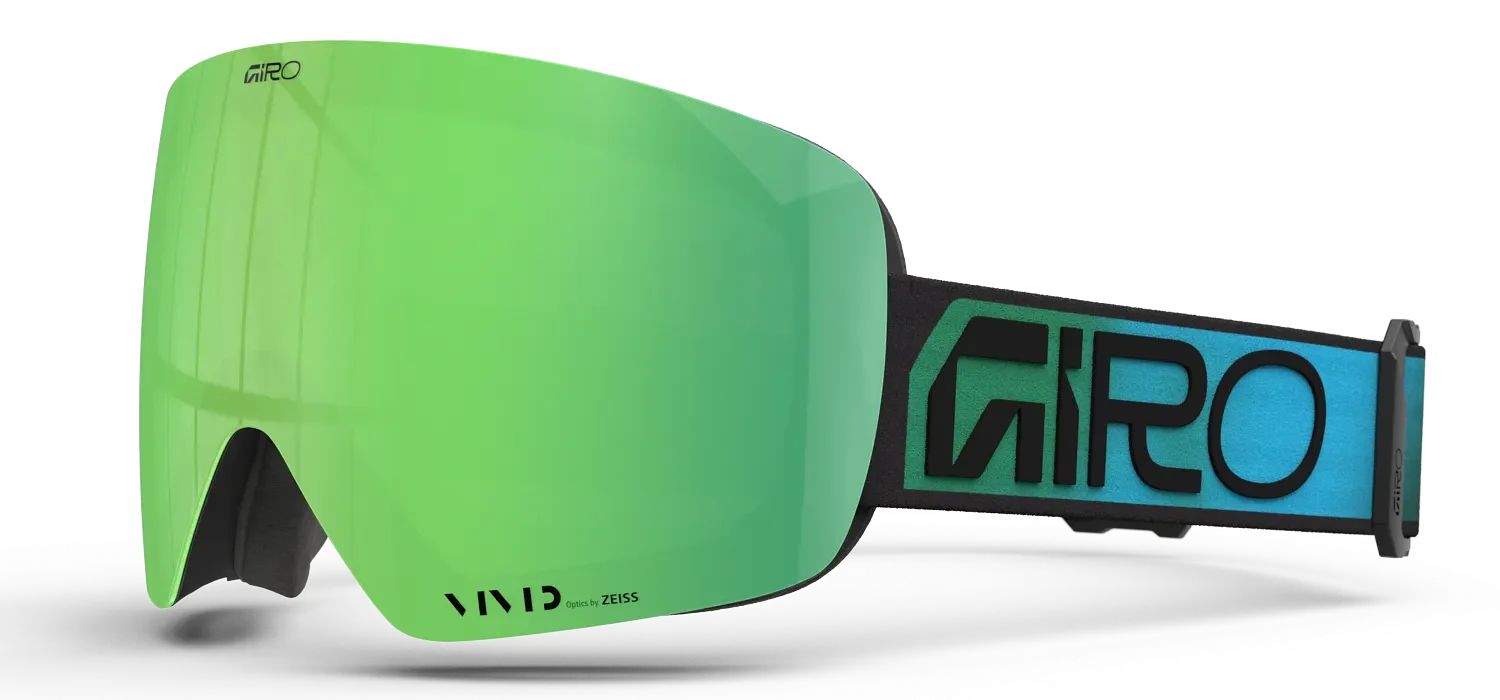 | 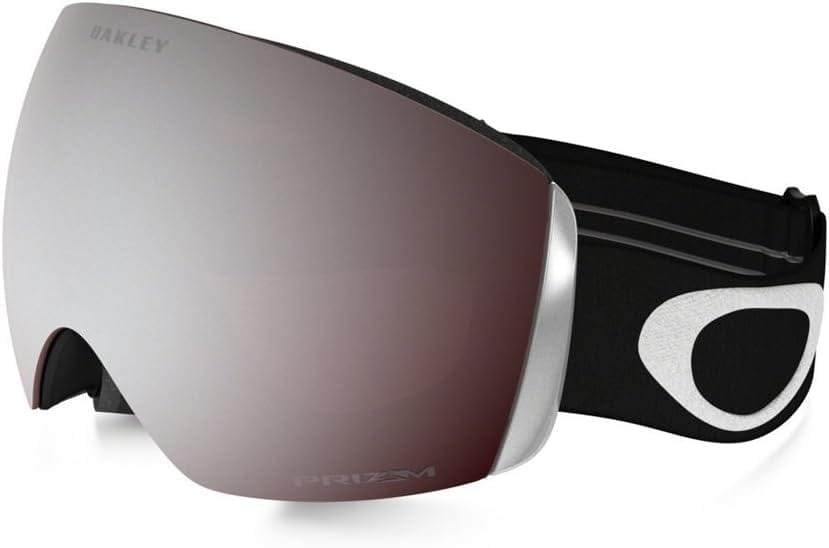 VS | |
| Lens Type | Toric | Spherical, dual-pane (rimless) |
| Lens Change System | Quick Change Lens System (magnets + 4 snap pins) | Ridgelock lens change system |
| Included Lenses | 2: VIVID main lens + VIVID Infrared low-light bonus lens | 1 Prizm lens (e.g., Prizm Snow Black Iridium 5.5% VLT); VLT varies by colorway |
| Size | Medium/Large fit; Asian Fit version available | L (large fit); M version available |
| OTG Compatibility | Not specified by maker | Yes (frame notches fit most prescription eyewear) |
| Lens Technology | VIVID with Optics by ZEISS; Expansion View (EXV+) | Prizm Snow |
| Warranty | 1 year | 2 years |
| Anti-fog Coating | Yes (anti-fog lens coating) | Yes (F3 anti-fog coating) |
| Ventilation | EVAK Vent Technology | N/A |
| Helmet Compatibility | Designed for Giro helmet integration | Yes (rimless frame fits most helmets) |
| Foam Layers | N/A | 3 |
| Case Included | N/A | No hard case (microbag) |
| Giro Contour | Oakley Flight Deck |
|---|---|
| |
| Lens Type | |
Toric | Spherical, dual-pane (rimless) |
| Lens Change System | |
Quick Change Lens System (magnets + 4 snap pins) | Ridgelock lens change system |
| Included Lenses | |
2: VIVID main lens + VIVID Infrared low-light bonus lens | 1 Prizm lens (e.g., Prizm Snow Black Iridium 5.5% VLT); VLT varies by colorway |
| Size | |
Medium/Large fit; Asian Fit version available | L (large fit); M version available |
| OTG Compatibility | |
Not specified by maker | Yes (frame notches fit most prescription eyewear) |
| Lens Technology | |
VIVID with Optics by ZEISS; Expansion View (EXV+) | Prizm Snow |
| Warranty | |
1 year | 2 years |
| Anti-fog Coating | |
Yes (anti-fog lens coating) | Yes (F3 anti-fog coating) |
| Ventilation | |
EVAK Vent Technology | N/A |
| Helmet Compatibility | |
Designed for Giro helmet integration | Yes (rimless frame fits most helmets) |
| Foam Layers | |
N/A | 3 |
| Case Included | |
N/A | No hard case (microbag) |
Comfort & Fit
Contour
Flight Deck
Comfort matters a lot in ski goggles because a pair you forget about is one you can wear all day without pressure points or slipping. The Contour is praised for its plush triple-layer foam and soft microfleece lining, with reviewers repeatedly saying it leaves no pressure points on the forehead and feels comfortable over long days. Its fit range is broad, and a reduced-size RS version is available for smaller faces, while the silicone bead and Inform 2 fit system help it sit snugly against a helmet. Buyers also mention that it works well with glasses, that the tall lens stays comfortable despite the nose, and that the fleece wicks sweat. The Flight Deck earns strong marks too, with its 50mm straps spreading pressure, a silicone grip keeping it from sliding on the helmet, and triple-layer foam that molds to the face. Some shoppers note it is not the most comfortable option for every face shape, so fit matters more with this model. Overall, the Contour has the edge in comfort and fit, especially for riders with smaller faces or those who wear glasses.
Durability
Contour
Flight Deck
Durability decides whether ski goggles hold up across a full season of crashes, rough rides, and gear bags. Feedback on the Contour is limited and mixed, but reviewers say the back foam layer adds structure and the scratch-resistant lens coatings hold up, and the armored vent foam is not the limiting factor over seasons of use. A few riders, however, find the magnetic lens system delicate under rough conditions. The Flight Deck gets more criticism in this area, with some buyers reporting scratches out of the box, lens problems in the first season, and a travel case that is not especially sturdy. Because the Contour has more favorable comments and fewer reported failures, it has the stronger durability profile of the two. Riders who plan to be rough on their gear should still inspect the magnetic lens mount on the Contour and factor in the Flight Deck case quality.
Optical Clarity
Contour
Flight Deck
Optical clarity is what you notice first on every run, since sharp detail and a wide field of view help you read terrain, bumps, and flat light. The Contour uses VIVID lenses with Optics by ZEISS and an expanded EXV+ view, and reviewers consistently praise its crisp, vivid image, its rimless toric design that keeps peripheral vision wide, and its clarity at the corners. Buyers say it brings mountains into sharp focus and that the optics are excellent for the price, with complaints being rare. The Flight Deck is also well regarded for crisp, high-definition vision in flat light, sun, and whiteout, and its large rimless spherical design gives a wide view. Some buyers, though, note that clarity varies somewhat between models, and a few prefer the single-pane lens for clarity. For most riders, the Contour offers the more consistently praised optics, while the Flight Deck remains a strong performer.
Fog Control
Contour
Flight Deck
Fog control is a make-or-break factor for anyone who skis in cold, wet snow, or who works hard on the climb and the run. The Flight Deck is a standout here, with a dual-pane lens, an anti-fog coating on the inside, vents that move air across the lens, and extra nose-bridge foam that seals gaps. Buyers describe it as one of the harder-to-fog goggles they have tested, and feedback on it is overwhelmingly positive. The Contour has more trouble, with reviewers reporting fogging once the foam gets wet or effort is high, and some saying the anti-fog coating and EVAK vent do not fully prevent it. Several reviewers also mention that the horizon blurs when the lens fogs. Some Contour owners report no problems, but the negative feedback clearly outweighs the praise. If you ride in wet or cold conditions or push hard, the Flight Deck is the clearer choice.
Lens Changing
Contour
Flight Deck
Lens changing matters when light shifts from bright afternoon sun to flat or low light at dusk. The Contour uses a magnetic Quick Change Lens System that reviewers praise for speed, and it includes a bonus low-light lens along with the primary lens, which adds real value. Some reviewers, however, say the magnets grab too eagerly, report occasional lens pops during mid-run swaps, and find that switching to the low-light lens at dusk can feel awkward. The Flight Deck uses Oakley's Ridgelock system, and buyers find lens swaps quick and easy across the lineup. Some riders prefer the older Oakley lens system and feel the newer one is nearly identical, so the experience is solid but average. The Contour gets the nod for its included second lens and its quick system, but both swaps are fast enough for most riders, and neither is fully set-it-and-forget-it.
Style
Contour
Flight Deck
Style matters because ski goggles are worn on the mountain and in photos, and a sleek look can affect how you feel about your gear. The Contour has a slimline, streamlined profile that buyers say looks clean under a helmet and avoids a bulky fighter-pilot appearance, with a range of colorways and designs. Some reviewers call it quirky at times, but the overall reaction is positive. The Flight Deck stands out more strongly, with buyers praising the spherical bubble shape, rimless frame, wide straps, and the stealthy blacked-out colorway. Its styling is consistently admired, and it looks as good on the mountain as it performs. For riders who want the most eye-catching goggle, the Flight Deck has the edge, while the Contour appeals to buyers who prefer a cleaner, more understated look.
Trust & Transparency
- Data-driven rankings from real user reviews
- Affiliate partnerships don't influence our methodology
We may earn commission from links.
Conclusion & Final Verdict:
Choose the Giro Contour if you want the most comfortable goggle for long days, sharp and wide optics, and a bonus low-light lens in the box. It is the stronger pick for riders with smaller faces or those who wear glasses, and it suits clear-to-changing conditions where fogging is less of a concern.
Choose the Oakley Flight Deck if fog control is your top priority, especially in wet snow, cold temperatures, or high-effort riding. It also has a longer two-year warranty and a bolder, more distinctive look, though buyers should check the fit and expect weaker durability feedback.
Related Comparisons
Oakley Flight DeckvsAnon M5
Oakley Flight Deck is the better pick for buyers who put all-day comfort, fog resistance, and a bold look first. The Anon M5 suits those who want distortion-free peripheral vision, quick magnetic lens swaps, and a more durable build.
Oakley Flight DeckvsOakley Flow Scape
Flight Deck is the pick for buyers who put fit, all-day comfort, fog resistance, and style first, with a rimless wide-view design that is easy to live with. Flow Scape suits riders who prioritize snow contrast and downhill visibility, a built-in second lens, and a protective case, though its lens swaps are fiddly.
Oakley Flight DeckvsOakley Line Miner
Flight Deck is the better pick for buyers who put fog control, a wide rimless view, and quick lens swaps first. Line Miner suits those who want plush comfort, sharper optics, and a classic cylindrical look, especially if they wear prescription glasses.
OutdoorMaster PRO MagneticvsOakley Flight Deck
The PRO Magnetic is the better pick for fast magnetic lens swaps, clear optics, and durability, while the Flight Deck suits buyers who put comfort and fog resistance first.
Smith 4D MAGvsGiro Contour
The Smith 4D MAG is the better pick for fog control and quick, secure lens swaps, with a wide lower view. The Giro Contour leads on sharp optics and a forgiving, comfortable fit for long days, so choose it if image clarity and fit matter most.
Smith 4D MAGvsOakley Flight Deck
The Smith 4D MAG is the better pick for fast magnetic lens swaps, a bonus lens, and a hard case, especially with Smith helmets. The Oakley Flight Deck is the stronger choice for all-day comfort, a crisp rimless view, and goggles that fit over prescription eyewear.