
Nordica Speedmachine 3 130 BOA DD vs Tecnica Cochise 130
Why You Can Trust Us
- Side-by-side analysis based on real user feedback
- Unbiased comparisons, not influenced by partnerships
- Updated as new data becomes available
We may earn from affiliate links at no extra cost to you.
| Speedmachine 3 130 BOA DD | Cochise 130 | |
|---|---|---|
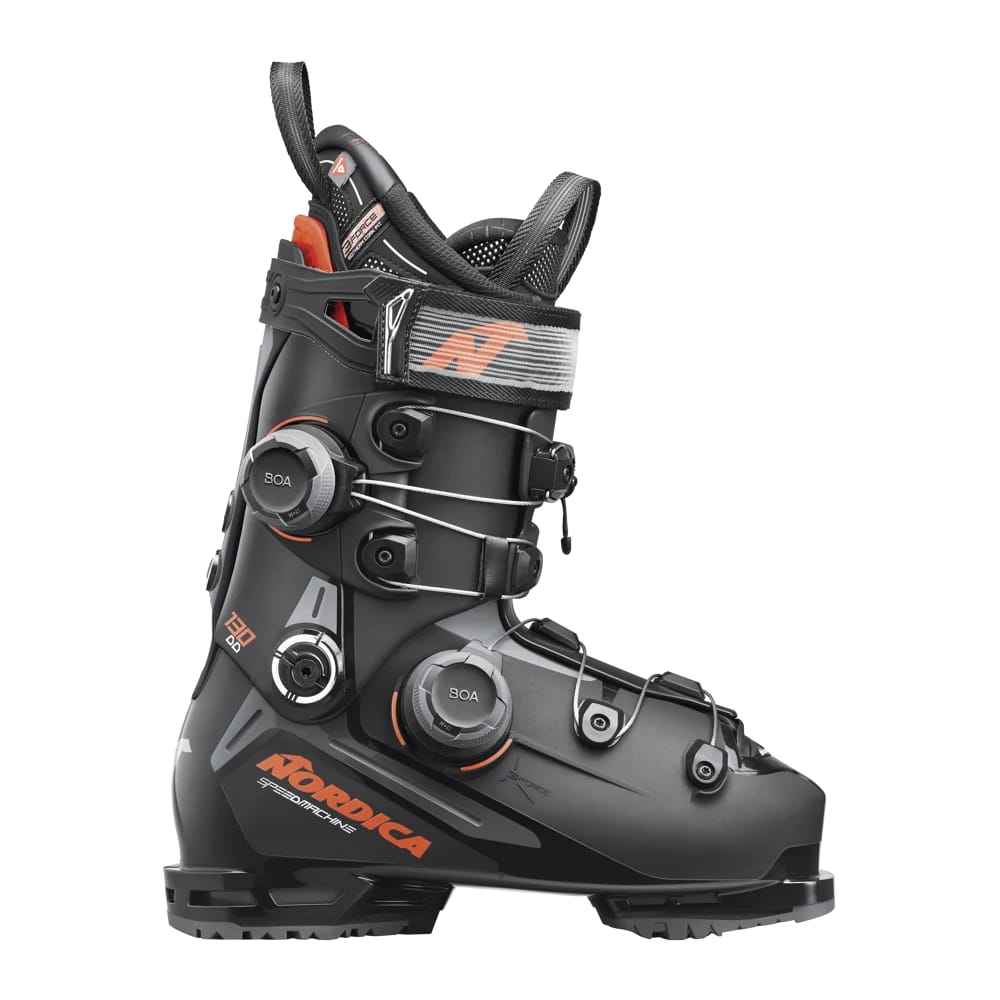 | 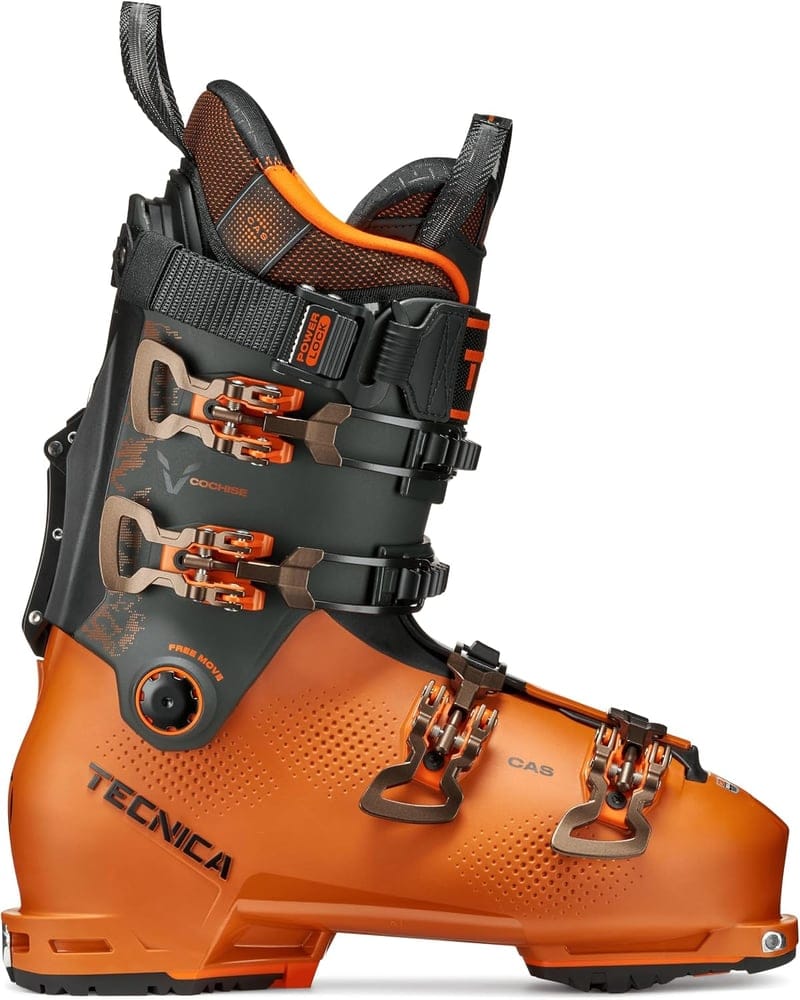 VS | |
| Flex Rating | 130 | 130 |
| Last Width | 100 mm | 99 mm |
| Closure System | BOA Dual Dial (2 dials) + 45 mm power strap | 4 micro-adjustable aluminum buckles + 45 mm Power Lock strap |
| Walk Mode | No | Yes – T-Ride walk mechanism, 55° range of motion |
| Sole Norm | GripWalk Extra-Grip (ISO 23223) | GripWalk (ISO 23223) with DYN tech inserts |
| Weight | 4.23 lb (single boot, MP 26.5) | 4.16 lb (single boot, MP 26.5) |
| Warranty | Limited manufacturer warranty (term not published) | Limited manufacturer warranty (term not published) |
| Liner Type | 3D Cork Fit Primaloft | Ecodesign High Performance Full C.A.S., lace-ready |
| Shell Material | Bimat PU shell / Bimat PU cuff | PU shell / carbon-PP bi-injected cuff |
| Forward Lean | Not specified | 12.5° (+2° or +3.5° with spoiler) |
| Ramp Angle | Not specified | Not specified |
| Size Range | 24.5–30.5 (Mondopoint) | 24.5–30.5 (Mondopoint) |
| Nordica Speedmachine 3 130 BOA DD | Tecnica Cochise 130 |
|---|---|
| |
| Flex Rating | |
130 | 130 |
| Last Width | |
100 mm | 99 mm |
| Closure System | |
BOA Dual Dial (2 dials) + 45 mm power strap | 4 micro-adjustable aluminum buckles + 45 mm Power Lock strap |
| Walk Mode | |
No | Yes – T-Ride walk mechanism, 55° range of motion |
| Sole Norm | |
GripWalk Extra-Grip (ISO 23223) | GripWalk (ISO 23223) with DYN tech inserts |
| Weight | |
4.23 lb (single boot, MP 26.5) | 4.16 lb (single boot, MP 26.5) |
| Warranty | |
Limited manufacturer warranty (term not published) | Limited manufacturer warranty (term not published) |
| Liner Type | |
3D Cork Fit Primaloft | Ecodesign High Performance Full C.A.S., lace-ready |
| Shell Material | |
Bimat PU shell / Bimat PU cuff | PU shell / carbon-PP bi-injected cuff |
| Forward Lean | |
Not specified | 12.5° (+2° or +3.5° with spoiler) |
| Ramp Angle | |
Not specified | Not specified |
| Size Range | |
24.5–30.5 (Mondopoint) | 24.5–30.5 (Mondopoint) |
Comfort
Speedmachine 3 130 BOA DD
Cochise 130
Comfort matters in a ski boot because it determines how long you can stay in the boot before pressure points and cramping start to distract from skiing. Buyers of the Speedmachine 3 130 BOA DD often describe a consistent, even wrap around the shin and say the boot feels pretty comfortable once it is on. Some reviewers mention the upper cuff pressing on the top of the shin and a stock liner that runs a little tight, although several of those concerns were noted rather than experienced. The Cochise 130 earns more consistently positive comfort feedback, with buyers praising the quick-release instep that eases the foot on and off and the minimal pressure points once the boot is broken in. Booster straps and a softer plastic around the instep are also cited as reasons it feels more natural than expected, including for uphill travel. For most buyers, the Cochise 130 is the more comfortable choice, especially if you plan to walk or tour in the boot.
Fit
Speedmachine 3 130 BOA DD
Cochise 130
Fit is one of the most important factors in a ski boot, since a good fit affects control, warmth, and how easily the boot goes on. Feedback on the Speedmachine 3 130 BOA DD is mixed: many buyers say the fit feels great with nothing too tight or too loose, and the cuff wraps the shin nicely, but a sizable group reports that getting the boot on can be a real struggle, especially with the zip liner combination. Some also find it unnerving not knowing where the closure is set, and a few say the stock liner feels tight. The Cochise 130 has a much stronger fit story, with buyers describing it as fitting like a second skin and praising the custom adaptive liner, movable tongue, and anatomical last. The moldable liner lets the fit be personalized, and the HV version offers extra room for wider feet, although a few note the cuff sits a little low and the standard fit is not a low-volume boot. Overall, the Cochise 130 is the easier boot to dial in, while the Speedmachine suits buyers with a medium-width foot who are willing to work through a tougher entry.
Performance
Speedmachine 3 130 BOA DD
Cochise 130
Performance is what most skiers buy a boot for, covering how precisely the boot transfers movement into the ski on the descent. Buyers of the Speedmachine 3 130 BOA DD describe it as precise, strong, and capable on snow, with many calling its performance fantastic. A few feel it does not quite match the most precise reference boots and would like more control, and some say the difference between the BOA and buckle closure is marginal. The Cochise 130 is rated more strongly for performance, with buyers highlighting its alpine-like downhill feel, lightweight build, and a walk mechanism that locks and unlocks easily for climbing. Its carbon-reinforced spine adds edge precision, and several reviewers call it one of the best freeride boots they have used, while also being an effective everyday resort boot. Skiers who want the most resort-oriented precision may still prefer the Speedmachine, but the Cochise offers more overall performance versatility.
Heel Hold
Speedmachine 3 130 BOA DD
Cochise 130
Heel hold determines how securely your heel stays in the back of the boot, which affects control and comfort on every turn. For the Speedmachine 3 130 BOA DD, buyers report good heel retention and say the upper cuff holds the upper ankle well. However, several note that a third buckle may be needed to pull the heel back into the heel pocket, which adds an extra step to setup. The Cochise 130 has fewer reviews on heel hold, but buyers say the added volume helps keep the heel in place and that the oven-baked liner successfully pulled the heel back into the pocket. Because the evidence for the Cochise is limited, its advantage is encouraging rather than definitive. For buyers who want a heel that settles without an extra buckle adjustment, the Cochise 130 looks like the better bet, while the Speedmachine remains solid once dialed in.
Power Response
Speedmachine 3 130 BOA DD
Cochise 130
Power response describes how well the boot transmits forward pressure into the ski, which matters most for aggressive skiers who drive hard into the front of the boot. Feedback on the Speedmachine 3 130 BOA DD is limited, but one buyer found the tongue solid to push against, which points to a dependable forward feel. The Cochise 130 has more evidence in this area, with buyers describing it as incredibly stiff on the descent and noting that the power lock strap cinches down to add forward flex support. A stiffer upper cuff plastic also contributes to this feeling. Because the Speedmachine has so little feedback, the verdict is measured, but the Cochise 130 looks like the more powerful choice for aggressive skiers who want a stiff, direct response.
Lateral Stiffness
Speedmachine 3 130 BOA DD
Cochise 130
Lateral stiffness affects how well a boot holds an edge and responds to side-to-side movement, which is important for carving and controlled turns. The Speedmachine 3 130 BOA DD has no specific buyer feedback on lateral stiffness, so its performance in this area remains unclear rather than proven either way. The Cochise 130 has a small number of reviews, all positive, noting that the carbon inlay adds a rigid spine that increases lateral stiffness and gives a more precise side-cut response. Because the evidence is limited, the Cochise advantage is encouraging rather than conclusive, but it is the only one of the two with a documented stiffness benefit. Buyers who prioritize precise edge control will likely find the Cochise 130 the more confident choice.
Trust & Transparency
- Data-driven rankings from real user reviews
- Affiliate partnerships don't influence our methodology
We may earn commission from links.
Conclusion & Final Verdict:
The Tecnica Cochise 130 is the better all-round pick for most skiers. It wins on comfort, fit, performance, heel hold, power response, and lateral stiffness, and it is the only one with a walk mode and a lower weight. It is especially strong for skiers who want one boot for resort days and occasional touring.
The Nordica Speedmachine 3 130 BOA DD is worth considering if you have a medium-width foot, prefer the BOA closure, and want a precise, supportive resort boot. Be prepared for a difficult entry, particularly with the zip liner, and factor in the possible need for a third buckle to seat your heel.
Related Comparisons
Atomic Hawx Prime 100 BOAvsTecnica Cochise 130
The Atomic Hawx Prime 100 BOA suits skiers who want a secure, comfortable all-mountain boot with a softer, more forgiving feel and a better fit for larger calves. The Tecnica Cochise 130 is the better choice for resort-first skiers who also want to tour, offering a stiffer, more powerful downhill feel and an efficient walk mode.
K2 Cortex 130 Zonal BOAvsTecnica Cochise 130
The Cortex 130 Zonal BOA suits skiers who want a tight, direct, high-performance connection to their skis and have a narrow foot, while the Cochise 130 is the better pick for buyers who want a versatile boot that handles resort skiing and uphill touring. Choose the Cortex for precise on-piste power and the Cochise for walk mode and a roomier, more forgiving fit.
Nordica Pro Machine 3 130 SvsTecnica Cochise 130
The Nordica Pro Machine 3 130 S delivers livelier, more direct power for narrow feet and aggressive on-piste skiing. The Tecnica Cochise 130 is the more versatile choice, with a moldable mid-volume fit and a walk mode for touring.
Nordica Speedmachine 3 130 BOA DDvsLange Shadow 130 MV
The Shadow 130 MV is the stronger pick for most skiers, with plush comfort, easier entry, and better power response at a higher overall rating. The Speedmachine 3 130 BOA DD suits buyers who want a precise, shin-hugging feel and BOA adjustability, but it is harder to get into.
Nordica Speedmachine 3 130 BOA DDvsSalomon S/Pro Alpha C BOA 130
The Salomon S/Pro Alpha C BOA 130 is the stronger choice for skiers who want locked-in heel hold, quick power transfer and confident carving. The Nordica Speedmachine 3 130 BOA DD suits buyers who want a roomier 100 mm last and a more forgiving, comfortable wrap, and who can accept a harder entry.
Salomon S/Pro Alpha C BOA 130vsTecnica Cochise 130
The S/Pro Alpha C BOA 130 suits aggressive on-piste skiers who want locked-in heel hold and quick power transfer, especially with low-volume feet. The Cochise 130 suits skiers who want a walk mode for touring and a more forgiving medium-volume fit for resort and occasional backcountry days.