
Tecnica Mach1 MV 130 TD2 GW vs Tecnica Mach Sport HV 65 W
Why You Can Trust Us
- Side-by-side analysis based on real user feedback
- Unbiased comparisons, not influenced by partnerships
- Updated as new data becomes available
We may earn from affiliate links at no extra cost to you.
| Mach1 MV 130 TD2 GW | Mach Sport HV 65 W | |
|---|---|---|
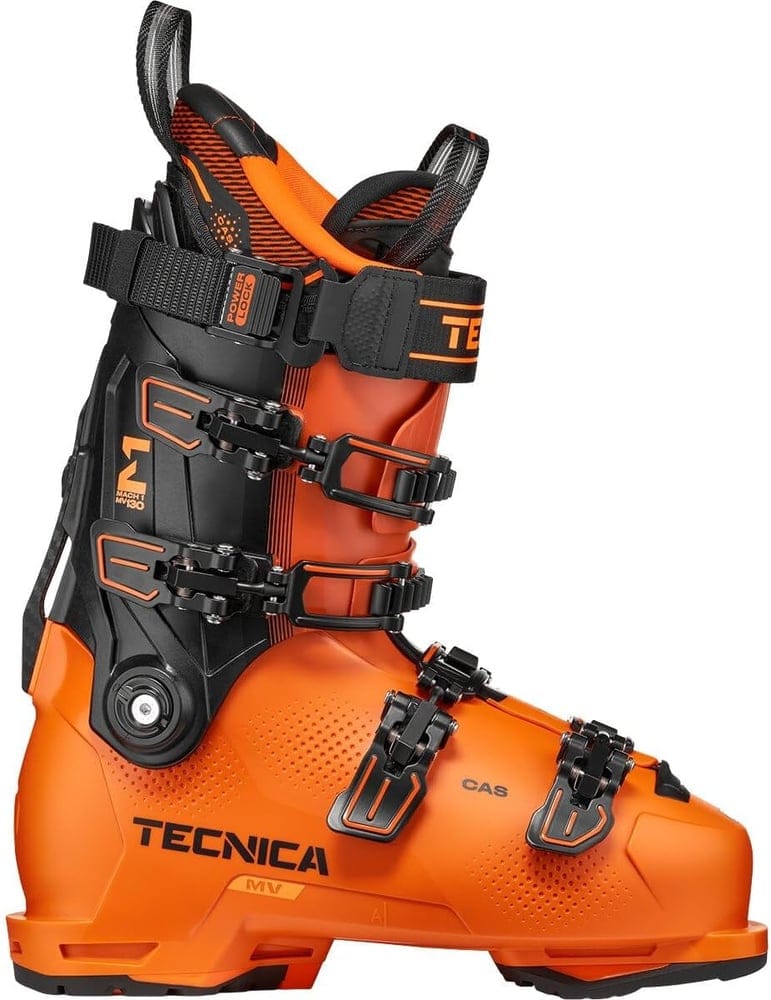 | 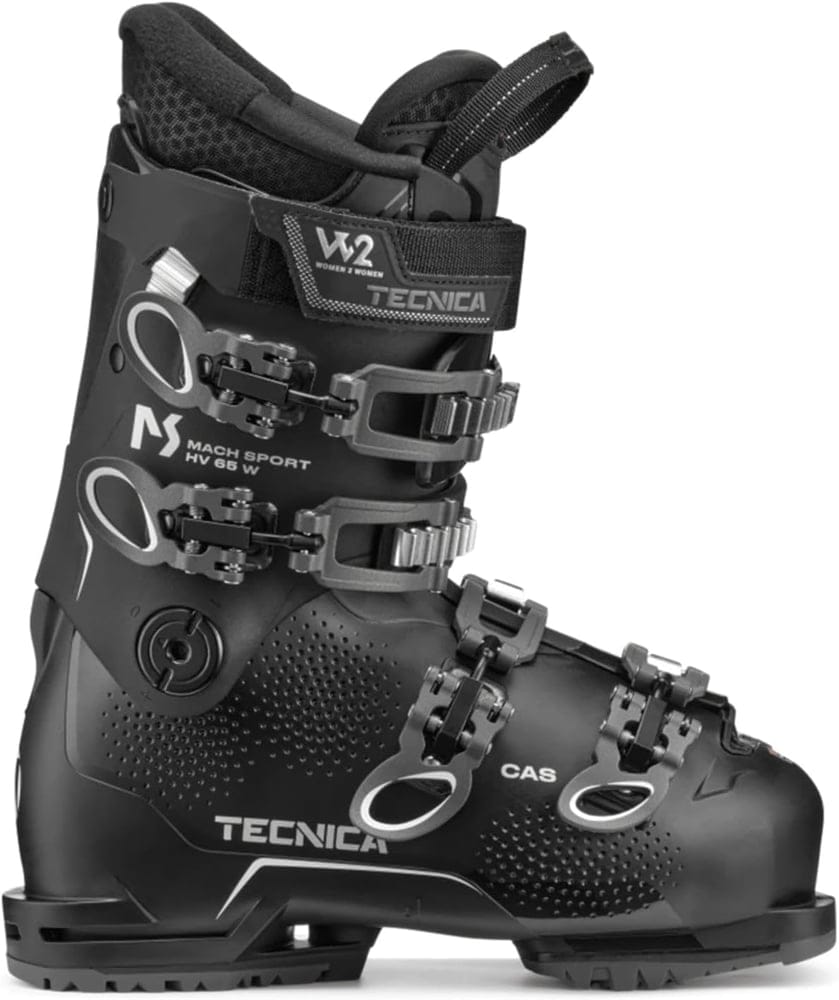 VS | |
| Flex Rating | 130 | 65 |
| Last Width | 100 mm | 103 mm |
| Closure System | 4 micro-adjustable aluminum buckles + Power Lock strap | 4 micro-adjustable aluminum buckles + 35 mm Velcro strap |
| Walk Mode | No | No |
| Sole Norm | GripWalk (ISO 23223) | GripWalk (ISO 23223) |
| Weight | 4.20 lb (single boot, MP 26.5) | 3.71 lb (single boot, MP 26.5) |
| Warranty | Limited manufacturer warranty (term not published) | Limited manufacturer warranty (term not published) |
| Liner Type | Ecodesign High Performance Full C.A.S., adjustable tongue | Ecodesign W.S.D. Comfort |
| Shell Material | PU shell / Grilamid-carbon co-injected cuff | PP shell / PP cuff |
| Forward Lean | 13.3° (+2° or +3.5° with spoiler) | 12° |
| Ramp Angle | Not specified | Not specified |
| Size Range | 24.5–30.5 (Mondopoint) | 22.5–27.5 (Mondopoint) |
| Tecnica Mach1 MV 130 TD2 GW | Tecnica Mach Sport HV 65 W |
|---|---|
| |
| Flex Rating | |
130 | 65 |
| Last Width | |
100 mm | 103 mm |
| Closure System | |
4 micro-adjustable aluminum buckles + Power Lock strap | 4 micro-adjustable aluminum buckles + 35 mm Velcro strap |
| Walk Mode | |
No | No |
| Sole Norm | |
GripWalk (ISO 23223) | GripWalk (ISO 23223) |
| Weight | |
4.20 lb (single boot, MP 26.5) | 3.71 lb (single boot, MP 26.5) |
| Warranty | |
Limited manufacturer warranty (term not published) | Limited manufacturer warranty (term not published) |
| Liner Type | |
Ecodesign High Performance Full C.A.S., adjustable tongue | Ecodesign W.S.D. Comfort |
| Shell Material | |
PU shell / Grilamid-carbon co-injected cuff | PP shell / PP cuff |
| Forward Lean | |
13.3° (+2° or +3.5° with spoiler) | 12° |
| Ramp Angle | |
Not specified | Not specified |
| Size Range | |
24.5–30.5 (Mondopoint) | 22.5–27.5 (Mondopoint) |
Comfort
Mach1 MV 130 TD2 GW
Mach Sport HV 65 W
Comfort matters a lot in ski boots because a boot that hurts after a few runs will undermine even the best skiing. Buyer feedback on the Mach1 MV 130 TD2 GW is strongly positive, with comments that the medium-volume 100 mm last feels comfortable, that the liner is very comfortable, and that the custom tongue and quick instep feature ease pressure on the instep and aid circulation. Buyers also note that the softer shell makes getting in and out easier and that the back-hole closing is simple. Some feedback points to a stiffer inner liner plastic that transfers pressure to the inside edge, so comfort is not entirely problem-free. The Mach Sport HV 65 W does not have enough feedback to rate comfort as a standout benefit or a drawback. For a buyer who wants a documented comfort advantage, the Mach1 MV 130 TD2 GW has the stronger evidence, while the Mach Sport HV 65 W is best confirmed with a try-on.
Fit
Mach1 MV 130 TD2 GW
Mach Sport HV 65 W
Fit is the central question for any ski boot, since a poor fit causes pressure points, sloppy control, and cold feet. The Mach1 MV 130 TD2 GW is praised for its nice medium fit and opened toe box, and its mid, low, and high volume options at 100, 98, and 103 mm lasts let buyers match the instep height to their foot. A fine-tunable rear spoiler adds another layer of adjustment. Feedback also notes that choosing the right volume is important, so buyers should try the options before committing. The Mach Sport HV 65 W earns strong fit feedback for a different reason: its adjustable upper cuff accommodates different calf shapes, its movable cleat adjustment dials in the fit around the lower leg, and it is easy to fit out of the box. If your main problem is the foot and instep, the Mach1 is the stronger choice; if your problem is calf and lower-leg fit, the Mach Sport HV 65 W is more directly suited.
Performance
Mach1 MV 130 TD2 GW
Mach Sport HV 65 W
Performance describes how a boot handles the snow and how much control it gives an advanced skier. The Mach1 MV 130 TD2 GW is described as a polished, high-performance boot that stays usable from groomed slopes through freeride terrain, and buyers note that its Carbon T Drive keeps its efficiency across temperatures. Cant screws allow a more aggressive, performance-oriented setup. The Mach Sport HV 65 W has no performance feedback to judge, so its rating stays at a neutral level. For skiers who ski hard or expect to progress, the Mach1 MV 130 TD2 GW offers the clearer performance case, while more casual skiers may find the Mach Sport HV 65 W sufficient without needing that extra stiffness.
Heel Hold
Mach1 MV 130 TD2 GW
Mach Sport HV 65 W
Heel hold affects how securely the heel stays in the boot during turns and on steep terrain, which influences control and comfort in the lower shell. The Mach1 MV 130 TD2 GW has limited but positive feedback, with buyers saying the heel feels still secured. The amount of feedback is small, so the rating is measured rather than strong. The Mach Sport HV 65 W has no heel hold feedback, so it sits at a neutral score. Buyers who rely on heel security should prioritize a try-on for either boot, but the Mach1 has the only documented positive signal on this point.
Power Response
Mach1 MV 130 TD2 GW
Mach Sport HV 65 W
Power response describes how quickly and cleanly a boot passes your leg movements to the ski edge. The Mach1 MV 130 TD2 GW receives positive feedback for its T-drive plate, which adds rebound, kickback, and leverage, and for aft pressure that gives instantaneous feedback to the ski edge. Buyers also mention a more progressive flex with better edge-to-edge transition and transmission. The evidence is modest, but it is consistently positive. The Mach Sport HV 65 W has no power response feedback and remains at a neutral level. For a buyer who wants direct, responsive energy transfer, the Mach1 is the better match, while a softer, more relaxed skier may not need this level of response.
Lateral Stiffness
Mach1 MV 130 TD2 GW
Mach Sport HV 65 W
Lateral stiffness reflects how much the boot resists sideways flex, which affects edge grip and control on firm snow. Neither boot has enough buyer feedback on this point to be rated as a standout strength or a clear weakness, so both sit at a neutral 3.0 out of 5. Buyers who care most about lateral support should look at the flex rating and boot construction, then confirm the feel in a shop.
Trust & Transparency
- Data-driven rankings from real user reviews
- Affiliate partnerships don't influence our methodology
We may earn commission from links.
Conclusion & Final Verdict:
Choose the Mach1 MV 130 TD2 GW if you ski hard, want a stiffer 130 flex, and value a performance liner, adjustable tongue, and a Carbon T Drive that keeps power transfer consistent across conditions. Its volume options make it a strong choice for buyers willing to try the mid, low, and high versions to find the right instep fit.
Choose the Mach Sport HV 65 W if your main frustration is calf and lower-leg fit, if you want a lighter and more forgiving boot, or if you ski more casually. Its adjustable cuff and movable cleat make it easy to customize, and its easy out-of-box fitting keeps setup simple. In either case, a proper shop fitting before buying is the best way to confirm the choice.
Related Comparisons
Atomic Hawx Prime 100 BOAvsTecnica Mach Sport HV 65 W
The Atomic Hawx Prime 100 BOA is the stronger all-round choice, with a secure moldable fit, a Boa closure, and robust performance across carving, big mountain, and park skiing. The Tecnica Mach Sport HV 65 W is better for skiers who want adjustable cuff and cleat fit for their lower legs, and it is lighter but scores lower overall.
Atomic Hawx Prime 100 BOAvsTecnica Mach1 MV 130 TD2 GW
The Atomic Hawx Prime 100 BOA suits skiers who want a moldable, easy-closing all-mountain boot with quicker recoil and a softer feel. The Tecnica Mach1 MV 130 TD2 GW is the stronger pick for buyers who want a stiffer high-performance boot and can choose a volume option to dial in their fit.
Tecnica Mach Sport HV 65 WvsSalomon S/Pro Alpha C BOA 130
The Tecnica Mach Sport HV 65 W suits skiers whose biggest problem is lower-leg and calf fit, thanks to its adjustable cuff and movable cleat, and it is the better choice for wider feet. The Salomon S/Pro Alpha C BOA 130 is the stronger performer for aggressive skiers who want locked-in heel hold and quick power transfer, though its snug 98 mm fit is best for narrower feet.
Tecnica Mach1 MV 130 TD2 GWvsNordica Speedmachine 3 130 BOA DD
The Tecnica Mach1 MV 130 TD2 GW leads on fit, comfort, and power transfer thanks to three volume lasts and an easier entry, while the Nordica Speedmachine 3 130 BOA DD offers a precise, shin-hugging feel but is harder to get into. Choose the Tecnica for a customizable, comfortable fit and the Nordica if you prefer BOA closure and can manage a tighter entry.
Tecnica Mach1 MV 130 TD2 GWvsSalomon S/Pro Alpha C BOA 130
The Tecnica Mach1 MV 130 TD2 GW suits skiers who need a adjustable fit across three volume options, while the Salomon S/Pro Alpha C BOA 130 is the stronger choice for locked-in heel hold, quick power transfer, and aggressive carving.
Tecnica Mach1 MV 130 TD2 GWvsTecnica Cochise 130
The Mach1 MV 130 TD2 GW leads on fit with three volume options, while the Cochise 130 offers a touring walk mode and a stiffer downhill feel. Pick the Mach1 for a customizable resort and freeride fit, or the Cochise if climbing matters as much as skiing.