
Budget Ultralight Backpacking Gear: Where to Save and Where to Spend
Lower pack weight without overspending by making free cuts first, testing used or borrowed gear, and upgrading only where a purchase solves a verified problem.
Draft status: Step 9 completed on 2026-07-21. This is evergreen article prose only, not the final structured blog object. No live product price is retained; any later example requires a same-day source and date label.
To build an ultralight backpacking kit on a budget, cut unnecessary items before replacing gear, borrow or rent unfamiliar systems, inspect used gear carefully, and spend first where a purchase solves a verified weight, fit, warmth, or reliability problem. Compare total system performance—not price or ounces alone—and finalize the backpack after the rest of the load is known.
Ultralight gear can be expensive, but lower pack weight does not begin at checkout. The cheapest ounces are often the items you stop carrying: duplicate clothing, excess cookware, full-size packaging, oversized tools, and gear that does not match the route.
Make Free Weight Savings First
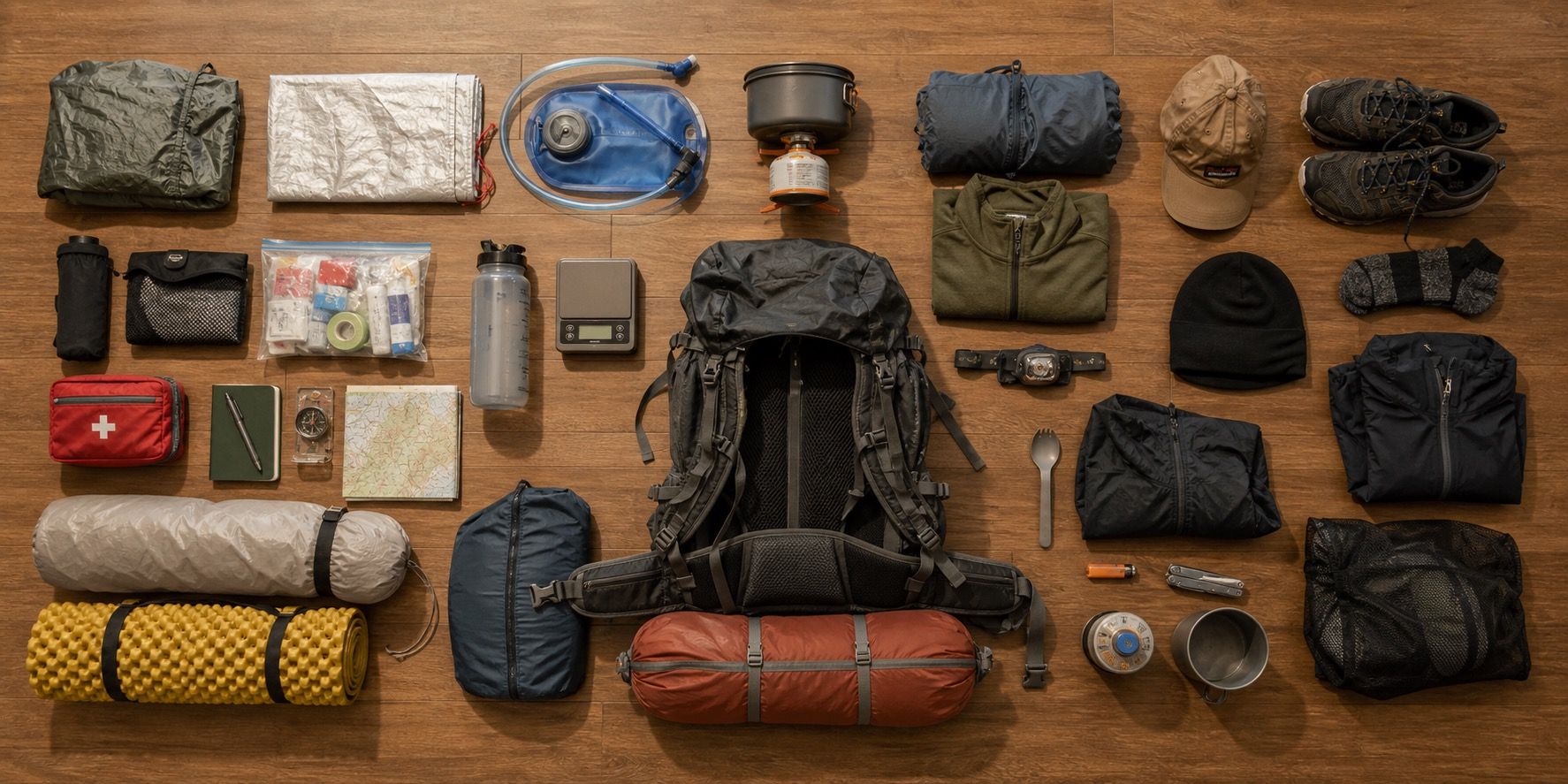
Lay out and weigh the complete kit. Then mark:
- Duplicates that solve the same problem.
- Full-size containers and unnecessary packaging.
- Items never used and not retained for safety.
- Group gear that can be assigned once instead of carried twice.
- Bulky systems that force a larger pack.
- Items packed for a fear that trip planning can answer more directly.
The REI ultralight basics emphasizes deliberate tradeoffs and retaining essential systems. A free reduction is valuable only when it does not remove protection the trip requires.
Where Can You Save and Where Should You Spend?
| System | Save first | Spend when | Main tradeoff |
|---|---|---|---|
| Backpack | Finalize volume after other gear; buy used if fit can be verified | Current pack is heavy, poorly fitted, or oversized for the stable load | Load support and fit |
| Shelter | Share group weight, borrow/rent, compare complete pitch | Current shelter is far heavier than the use case or fails required protection | Weather fit, setup, space, durability |
| Sleep | Remove duplicate layers and identify the weak component | Bag/quilt or pad is too bulky, heavy, cold, or uncomfortable | Warmth, fit, moisture, repairability |
| Kitchen | Simplify meals, pot, utensils, and packaging | Current setup is oversized for the group/menu | Stability, fuel, cold-weather performance |
| Clothing | Build one layering system and buy secondhand where condition is clear | Fit, weather protection, or insulation is inadequate | Drying, durability, comfort |
| Small items | Repackage and remove duplicates | A replacement solves repeated failure, not a spreadsheet urge | Tiny savings can consume the budget |
“Spend” does not automatically mean buy the most premium item. It means protect the system where failure or poor fit has the greatest consequence for your actual trips.
Use an Upgrade Scorecard
Compare upgrades across more than ounces.
| Factor | Question |
|---|---|
| Problem solved | What failed, hurt, leaked, felt cold, or took too much space? |
| Weight saved | Is the saving meaningful in the complete kit? |
| Fit/performance | Does the option work for the user, load, route, and conditions? |
| Durability/repair | Can it tolerate expected use and be maintained? |
| Learning curve | Does it require new pitching, packing, or care skills? |
| Frequency | How often will this benefit matter? |
| Total cost | Are required accessories, poles, stakes, fuel, or storage included? |
Cost per ounce can help compare two genuinely suitable options. It is misleading when the cheaper calculation produces a colder sleep system, an overloaded pack, or a shelter that does not fit the campsite.
Borrow, Rent, or Buy Used Before Committing
Borrowing and renting are especially useful for testing quilts, trekking-pole shelters, frameless packs, compact pads, or unfamiliar stove systems. A short trial can reveal a fit or skill problem before a major purchase.
The REI Re/Supply FAQ documents one current pathway for returned and traded used outdoor gear. Used availability and condition vary, so inspect by category:
- Backpack: torso size, belt fit, frame, seams, buckles, strap wear, and odor.
- Shelter: fabric damage, seam condition, zipper operation, coating, poles, stakes, and complete components.
- Sleep insulation: loft, odor, moisture history, baffle condition, and rating suitability.
- Sleeping pad: valve, slow leaks, delamination, repair history, and included pump or sack.
- Stove/cookware: threads, seals, stability, damage, and manufacturer compatibility.
Do not buy safety-critical or hard-to-inspect equipment solely because it is cheap. Verify return options, current manufacturer guidance, and whether replacement parts exist.
Upgrade in the Right Order
- Define the trips the kit must serve.
- Weigh and audit what you own.
- Remove duplicates and repackage consumables.
- Test the complete kit on a short trip.
- Improve the system with the clearest problem.
- Finalize pack volume and support after bulky systems stabilize.
- Re-test before selling the proven backup.
Community budget discussions frequently recommend buying the pack last because shelter, sleep, food storage, and water determine both volume and load. The REI backpack guide likewise ties capacity and comfort to actual trip load and fit.
When the pack is finally the limiting component, compare ultralight backpacks against your measured load rather than buying to a target weight alone.
FAQ
Is ultralight backpacking always expensive?
No. Removing unnecessary items, sharing group gear, repackaging consumables, borrowing, renting, repairing, and buying suitable used gear can reduce weight without a premium replacement for every category.
What is the cheapest way to reduce pack weight?
Weigh everything and remove duplicates, excess clothing, oversized toiletries, extra cookware, redundant containers, and route-irrelevant items before buying anything.
Which ultralight item should I buy first?
Buy the item that solves the clearest verified problem after an audit and shakedown. It may be shelter or sleep gear, but there is no automatic first category for everyone.
Should I buy a frameless backpack to save money and weight?
Only if the completed load fits its practical comfort and volume range for you. A light frameless pack can be a poor value when the load remains heavy or bulky.
Is used ultralight gear safe to buy?
It can be, but suitability depends on category, condition, inspection, return options, and the consequence of failure. Test used shelter, sleep, and carry gear before a demanding trip.
Does cost per ounce show the best value?
Not by itself. Fit, warmth, weather protection, durability, learning curve, accessories, repairability, and frequency of use can matter more than the lowest cost per ounce.
Related Guides
How to Reduce Backpacking Pack Weight Without Sacrificing Safety
Lower backpacking pack weight with a practical shakedown process that cuts unnecessary items before safety margin.
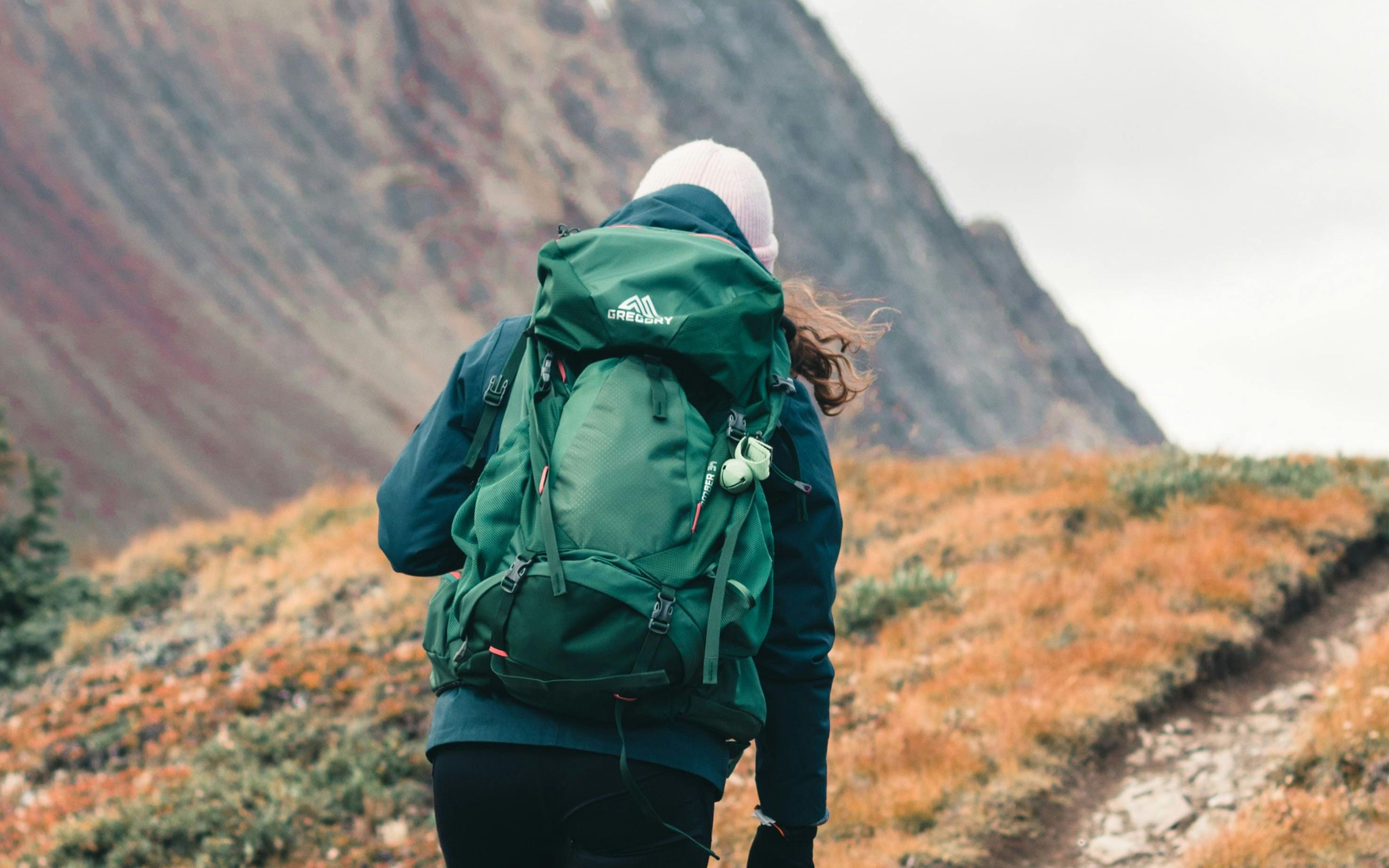
Best Backpacking Backpacks
Compare backpacking backpacks for overnight and multiday trips by capacity, fit, suspension, hipbelt comfort, ventilation, pockets, weight, and durability.
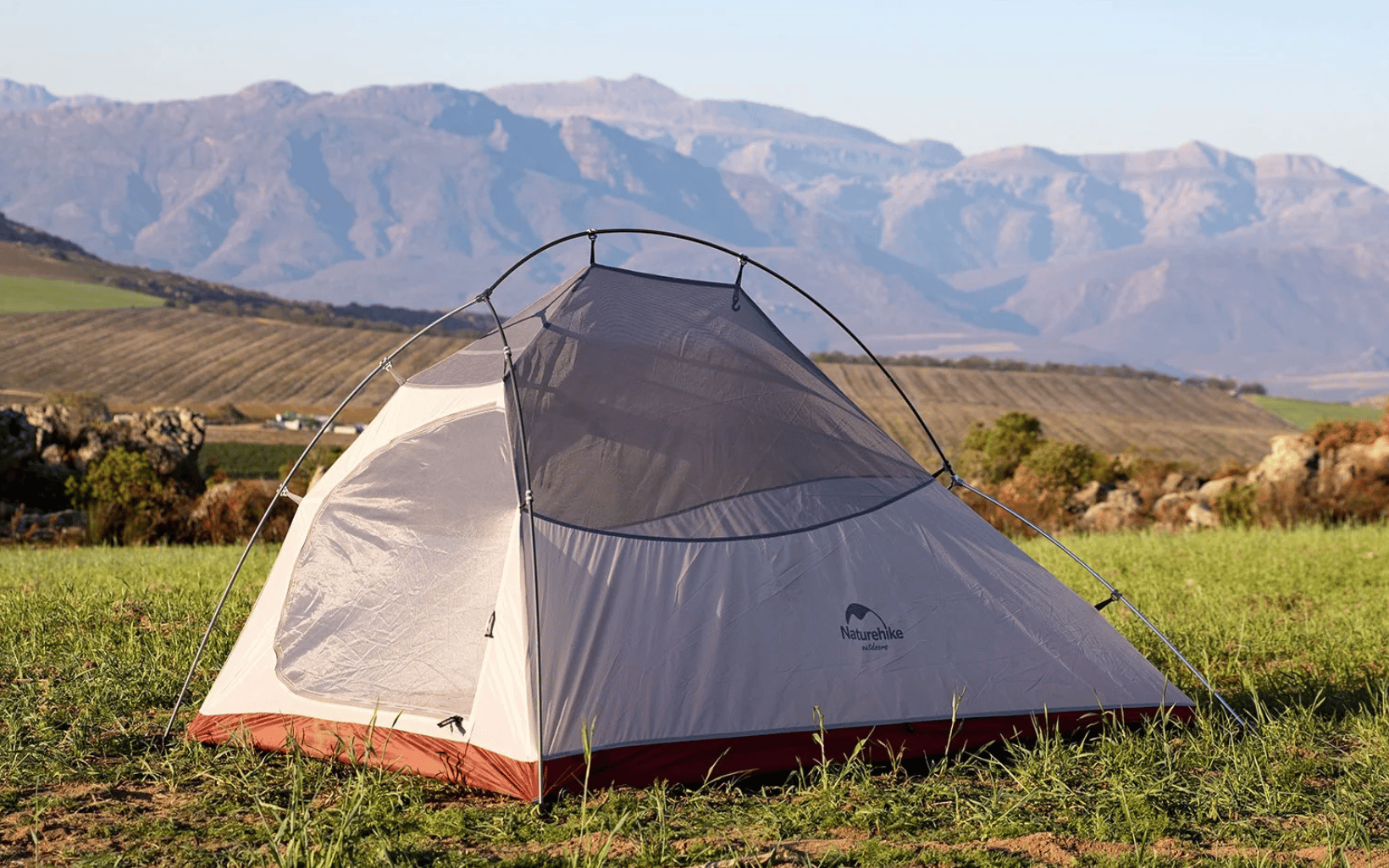
Best Budget Backpacking Tents
Compare budget backpacking tents for two-person trips, solo shelter, beginner setup, weather protection, packability, durability, and price-conscious trail use.
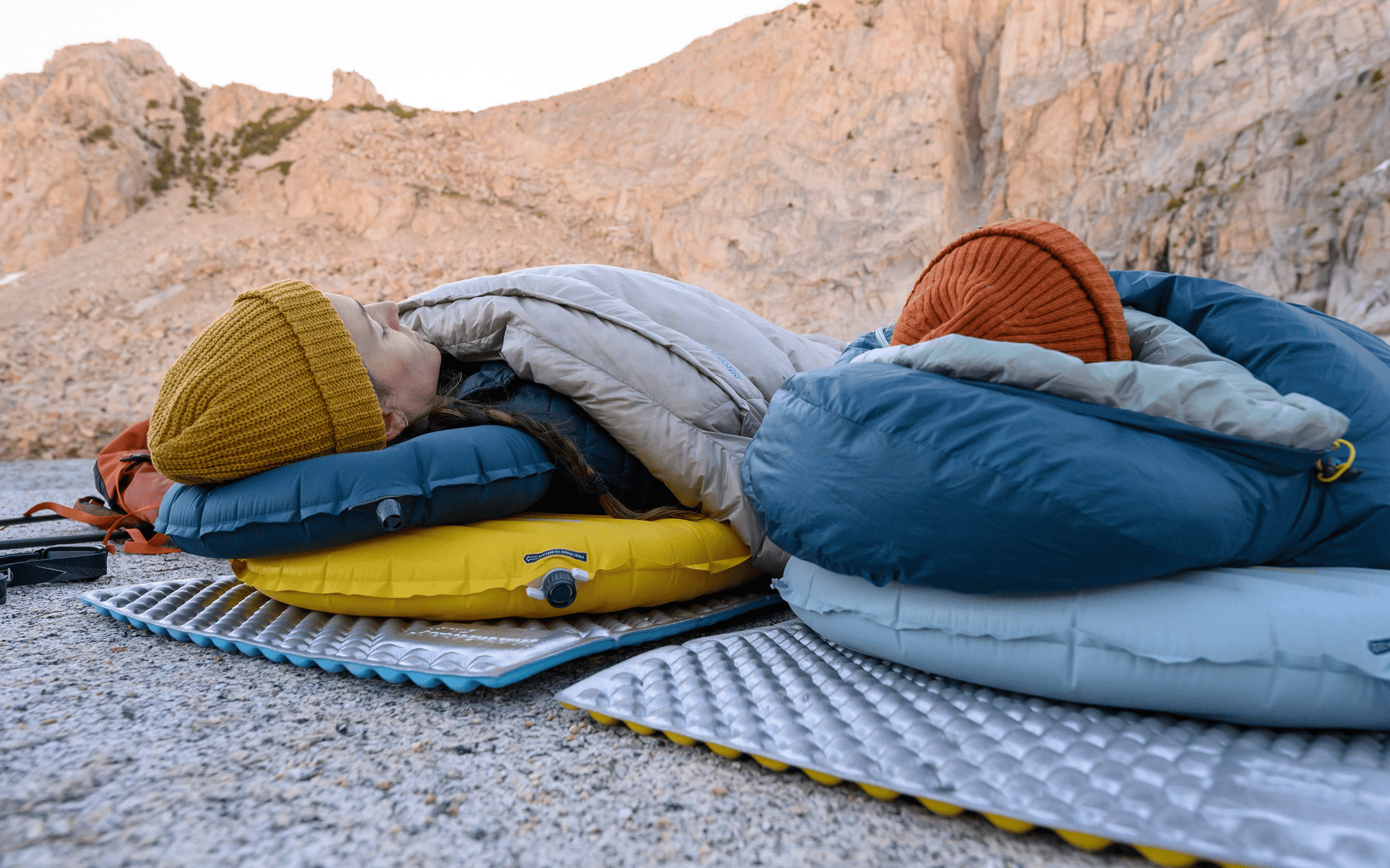
Best Sleeping Pads For Backpacking
Compare backpacking sleeping pads by R-value, carried weight, packed size, comfort, foam-vs-inflatable tradeoffs, and availability so you can match a pad to expected ground temperatures.
Ultralight Backpacking for Beginners: A Practical Starter Guide
Build a lighter beginner backpacking kit with a safe, step-by-step approach that starts with trip needs and your current gear.
What Is the Big Three in Backpacking Gear?
Understand the backpacking Big Three—shelter, sleep system, and backpack—plus the Big Four variation, complete-weight comparisons, and upgrade order.