
Dynastar M-Pro 98 W vs Head Kore 94 Ti
Why You Can Trust Us
- Side-by-side analysis based on real user feedback
- Unbiased comparisons, not influenced by partnerships
- Updated as new data becomes available
We may earn from affiliate links at no extra cost to you.
| M-Pro 98 W | Kore 94 Ti | |
|---|---|---|
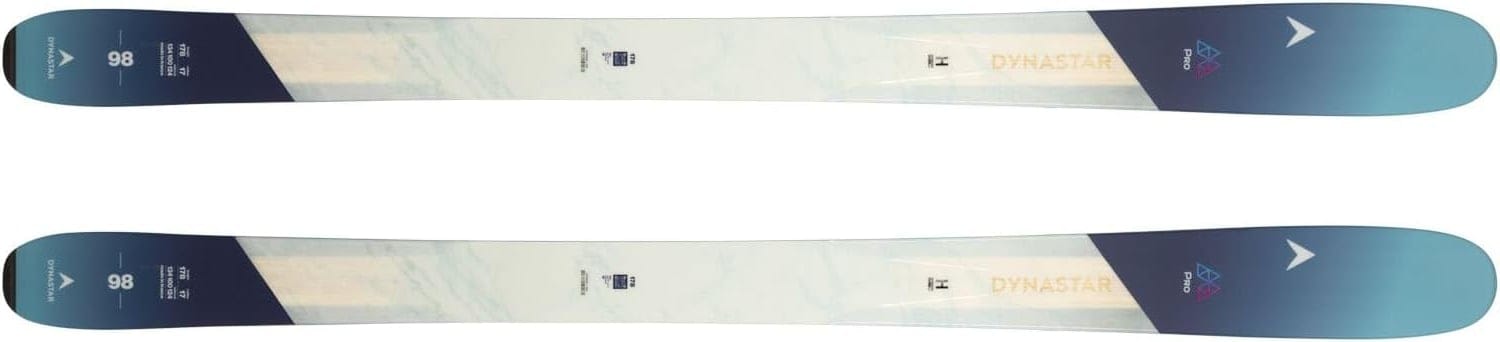 |  VS | |
| Waist Width | 98 mm | 94 mm |
| Turn Radius | 15 m at 162 cm | 16.3 m at 177 cm |
| Rocker Profile | Progressive Rocker (Rocker/Camber/Rocker) | Rocker Tail 20%, Camber 50%, Rocker Tip 30% |
| Metal Layers | Titanal (layer count not specified) | 2 (Titanal) |
| Length Range | 154-170 cm | 156-184 cm |
| Weight | N/A | 4.2 lb |
| Warranty | 1 Year | 2 Years |
| Sidecut Dimensions | 133-98-123 mm | 131-94-116 mm |
| Core Material | Hybrid Core 2.0 Poplar Tri Directionnal PU | Karuba and beech wood core |
| Sidewall | Full sidewall construction | Beveled sidewalls with mini cap |
| Dynastar M-Pro 98 W | Head Kore 94 Ti |
|---|---|
| |
| Waist Width | |
98 mm | 94 mm |
| Turn Radius | |
15 m at 162 cm | 16.3 m at 177 cm |
| Rocker Profile | |
Progressive Rocker (Rocker/Camber/Rocker) | Rocker Tail 20%, Camber 50%, Rocker Tip 30% |
| Metal Layers | |
Titanal (layer count not specified) | 2 (Titanal) |
| Length Range | |
154-170 cm | 156-184 cm |
| Weight | |
N/A | 4.2 lb |
| Warranty | |
1 Year | 2 Years |
| Sidecut Dimensions | |
133-98-123 mm | 131-94-116 mm |
| Core Material | |
Hybrid Core 2.0 Poplar Tri Directionnal PU | Karuba and beech wood core |
| Sidewall | |
Full sidewall construction | Beveled sidewalls with mini cap |
Stability
M-Pro 98 W
Kore 94 Ti
Stability matters in an all-mountain ski because it determines how well the ski holds its line through chop, crud, bumps and steeps. Buyers of the M-Pro 98 W describe a pretty sturdy build, metal that damps vibration for a damp feel, polyurethane sidewalls that keep the ride quiet and composed, and a stable, predictable feel on steep and challenging terrain without any twitchiness. Buyers of the Kore 94 Ti describe a smooth but stable feel, a round, even flex that resists deflection in crud, chop and bumps, and a more consistent, predictable ride than the previous generation. The main caveat on the Kore is that the shovel can start to give at speed on the 177 length, which some find overpowered. Both skis earn the same rating, so this is a tie: the M-Pro feels planted and sturdy in a lively way, while the Kore feels consistently damp as snow conditions change. Pick the one whose feel you prefer.
Edge Grip
M-Pro 98 W
Kore 94 Ti
Edge grip determines how confidently a ski bites into firm snow and holds a carved turn through the end of the arc. Buyers say the M-Pro 98 W gets good grip from its metal underfoot, likes to be on edge, and grips firm snow without feeling overly aggressive, with some wanting it to bite and dig through the very end of the turn. One buyer noted that an older version felt like it hung on at the tail, which is a minority complaint. The Kore 94 Ti holds an edge well once engaged, has good effective edge length, and is described by buyers as a capable carver that does not lose purchase in a carved turn. However, buyers also report slight imprecision on the edge and say you have to tell the ski what to do rather than simply tip it and ride. The M-Pro is the stronger choice for skiers who want easy, committed grip on firm snow, while the Kore suits those willing to steer it actively.
Maneuverability
M-Pro 98 W
Kore 94 Ti
Maneuverability matters because it governs how easily a ski changes direction, pivots in tight spaces and adapts to moguls and trees. Buyers of the M-Pro 98 W consistently describe it as more agile than wider skis, easy to swish into turns, quick to pivot, and nimble in bumps and trees, with a 15 m turn radius that produces clean, round turns and short swing turns from its short contact length. The Kore 94 Ti also earns praise for quickness, with lighter tips and tails that reduce swing weight, a tight 16.3 m turn radius, and a tendency to snap through tight corners and smear through moguls easily. Some buyers, however, feel that its weight costs it some quickness and that it is not interested in short, punchy turns, and a few find it awkward renegotiating turn radius in crowded in-between terrain. The M-Pro is clearly the more agile ski, making it the better pick for skiers who prioritise quick direction changes in tight terrain.
Forgiveness
M-Pro 98 W
Kore 94 Ti
Forgiveness matters for skiers who want a ski that does not punish mistakes or demand precise technique to feel controlled. Buyers of the Kore 94 Ti describe a damp rather than springy or rigid feel, say it never feels harsh or punishing, and find it confidence-inspiring for intermediate to advanced skiers, with one describing it as giving an aggressive skier confidence. Some say it is slightly more forgiving than the Core 93 and that its softer tip is forgiving in off-piste snow. The caveat is that several buyers note it needs pressure in front of the boot to start a turn, and a few find it harder to handle when pushing past camber. The M-Pro 98 W has far less evidence in this category, with buyers noting that it never forces a specific turn shape or size, but they do not describe it as a clear strength. For buyers who value a forgiving, confidence-building ride, the Kore is the stronger choice.
Powder Performance
M-Pro 98 W
Kore 94 Ti
Powder performance matters because a true all-mountain ski should float reasonably well when fresh snow arrives. Buyers of the M-Pro 98 W consistently praise its long rocker, which makes it a nice floater that stays afloat with a bouncy feel, performs well in deep and soft snow, and feels powerful and easy to control in deep snow. They also mention that it is fun in the trees and better than many alternatives for flotation. The Kore 94 Ti handles light powder well, with rocker and a wider shovel taper adding flotation, and it still floats decently in choppy snow. Buyers are less convinced it excels at floating in deep powder, and there is less evidence overall. The M-Pro is the clear pick for skiers who spend a lot of time in soft snow, while the Kore is adequate for occasional powder days.
Versatility
M-Pro 98 W
Kore 94 Ti
Versatility matters because most buyers want one ski that can handle groomers, steeps, trees and variable snow without needing a quiver. Buyers of the M-Pro 98 W describe it as a true all-mountain ski that works across variable conditions and terrain, blends all-mountain and freeride use, and performs well in crud and chop. They also say it is versatile enough to help an intermediate skier progress and performs across a range of speeds and turn shapes. Buyers of the Kore 94 Ti describe it as a top all-mountain contender that handles different snow conditions, groomers and steeps very well, and is a good choice for days when conditions are unknown. Some note that it prefers big, open, sweeping turns and may not excel in one particular area. Both skis earn very similar ratings for versatility, so this is a tie. The M-Pro suits skiers who mix trees and bumps with open terrain, while the Kore suits skiers who want the most consistent all-round performance.
Trust & Transparency
- Data-driven rankings from real user reviews
- Affiliate partnerships don't influence our methodology
We may earn commission from links.
Conclusion & Final Verdict:
Choose the Dynastar M-Pro 98 W if you ski mostly in trees, bumps and soft snow, want a quick, easy-to-pivot ski, and value strong flotation and firm-snow edge grip. It is the better fit for skiers who enjoy playful, agile turns across varied terrain.
Choose the Head Kore 94 Ti if you want the most damped, confidence-inspiring ride in crud and changing conditions, value a forgiving feel, and have a longer warranty as a priority. It suits skiers who are happy to steer the ski actively and who ski a range of terrain without a clear specialty.
Related Comparisons
Dynastar M-Pro 98 WvsBlizzard Black Pearl 94
The Dynastar M-Pro 98 W is the better pick for powder, variable snow and quick turns in trees and bumps, while the Blizzard Black Pearl 94 suits intermediate-to-advanced skiers who want firmer edge hold, forgiveness and calm stability at speed.
Dynastar M-Pro 98 WvsBlizzard Rustler 9
The M-Pro 98 W leads in powder, quick pivots, and quiet stability, making it the pick for mixed-snow all-mountain skiing. The Rustler 9 is the better fit for skiers who want firm-groomer grip, park and switch riding in one playful twin-tip.
Dynastar M-Pro 98 WvsElan Ripstick 96 Black Edition
The Dynastar M-Pro 98 W is the more stable, composed all-mountain ski, with stronger powder float and a quieter ride for skiers who want one ski for variable snow. The Elan Ripstick 96 Black Edition is the livelier, more playful option for mobility-focused skiers who prioritize quick turns and touring-friendly versatility.
Dynastar M-Pro 98 WvsK2 Mindbender 96
The Dynastar M-Pro 98 W is the nimbler, softer-snow specialist that feels quick in bumps, trees, and powder, while the K2 Mindbender 96 is the steadier, more planted ski for fast, rough snow. Choose the M-Pro for playful variable terrain and the Mindbender for stability at speed.
Dynastar M-Pro 98 WvsLINE Pandora 99
The Dynastar M-Pro 98 W is the more composed and stable choice for skiers who want a sturdy, damp ski that still turns quickly in bumps and trees. The LINE Pandora 99 is livelier and more playful, with a twin-tip feel suited to lower-speed fun, park laps and skiers who want a more forgiving ride.
Dynastar M-Pro 98 WvsNordica Santa Ana 92
The Dynastar M-Pro 98 W is the more agile, float-friendly ski, with quicker pivots and stronger powder and all-conditions versatility. The Nordica Santa Ana 92 suits buyers who want more forgiveness and a planted, damped feel on firm snow, though it rewards advanced skiers.