
Dynastar M-Pro 98 W vs Nordica Santa Ana 92
Why You Can Trust Us
- Side-by-side analysis based on real user feedback
- Unbiased comparisons, not influenced by partnerships
- Updated as new data becomes available
We may earn from affiliate links at no extra cost to you.
| M-Pro 98 W | Santa Ana 92 | |
|---|---|---|
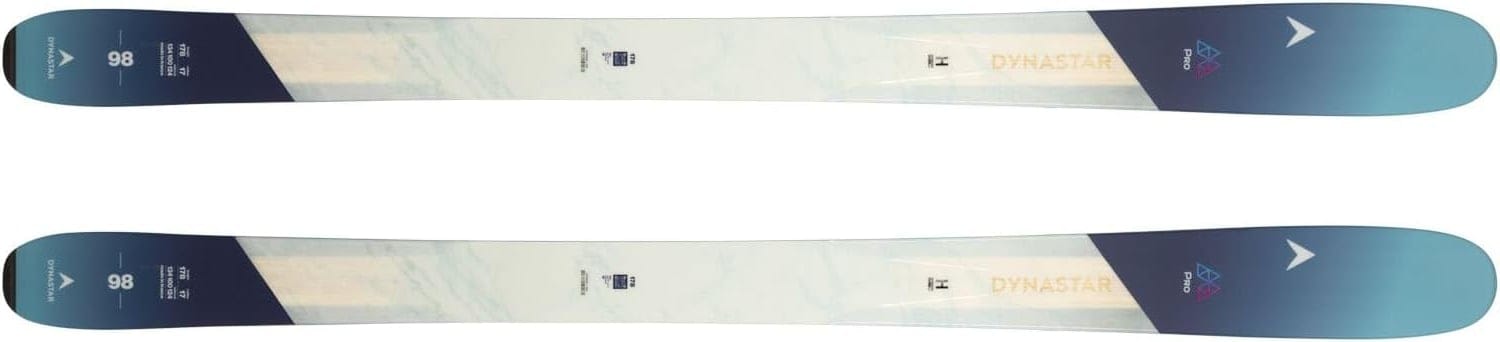 | 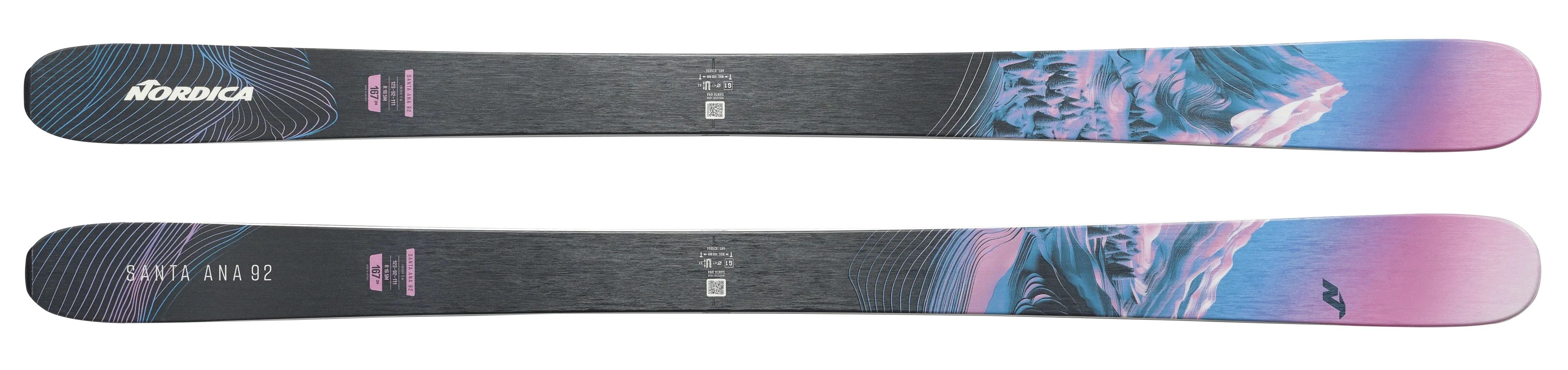 VS | |
| Waist Width | 98 mm | 92 mm |
| Turn Radius | 15 m at 162 cm | 17.5 m at 179 cm |
| Rocker Profile | Progressive Rocker (Rocker/Camber/Rocker) | All Mountain rocker with Unlocked Tail shape |
| Metal Layers | Titanal (layer count not specified) | 1 (Terrain Specific Metal titanal sheet) |
| Length Range | 154-170 cm | 150-179 cm |
| Weight | N/A | 9.0 lb per pair at 179 cm |
| Warranty | 1 Year | N/A |
| Sidecut Dimensions | 133-98-123 mm | 125.5-92-113.5 mm |
| Core Material | Hybrid Core 2.0 Poplar Tri Directionnal PU | Performance wood core with Pulse elastomer core |
| Sidewall | Full sidewall construction | Sidewall construction |
| Dynastar M-Pro 98 W | Nordica Santa Ana 92 |
|---|---|
| |
| Waist Width | |
98 mm | 92 mm |
| Turn Radius | |
15 m at 162 cm | 17.5 m at 179 cm |
| Rocker Profile | |
Progressive Rocker (Rocker/Camber/Rocker) | All Mountain rocker with Unlocked Tail shape |
| Metal Layers | |
Titanal (layer count not specified) | 1 (Terrain Specific Metal titanal sheet) |
| Length Range | |
154-170 cm | 150-179 cm |
| Weight | |
N/A | 9.0 lb per pair at 179 cm |
| Warranty | |
1 Year | N/A |
| Sidecut Dimensions | |
133-98-123 mm | 125.5-92-113.5 mm |
| Core Material | |
Hybrid Core 2.0 Poplar Tri Directionnal PU | Performance wood core with Pulse elastomer core |
| Sidewall | |
Full sidewall construction | Sidewall construction |
Stability
M-Pro 98 W
Santa Ana 92
Stability matters in this group because all-mountain skis are asked to stay calm at speed, across chatter, crud and steep pitches, without feeling nervous. Buyers of both skis consistently describe a solid, planted platform, and the reasons come from similar construction choices. Reviewers say the M-Pro 98 W feels sturdy, damps vibration well from its metal and full sidewalls, and stays predictable in steep or challenging terrain without ever feeling twitchy. The Santa Ana 92 earns similar praise for its terrain-specific metal, which buyers say does much of the work in smoothing the ride, along with a solid feel through the tip and tail and an elastomer core that cuts buzz. Both sides score the same, so neither has a clear edge here, and the choice comes down to whether you prefer the quieter, composed feel of the Dynastar or the planted, damped character of the Nordica.
Edge Grip
M-Pro 98 W
Santa Ana 92
Edge grip determines how confidently a ski holds an arc on firm snow and ice, and it also affects how the tip and tail behave when you tip the ski over. Both models benefit from metal underfoot that gives them a clear sense of hold. Buyers say the M-Pro 98 W grips firm snow without feeling overly aggressive, enjoys being on edge, and carves well, though some reviewers felt the tail could hang on at the end of a turn. The Santa Ana 92 gets praise for cutting through ice and crud because of its weight, and for tips that float up rather than diving, which helps the ski stay predictable. Its metal is not especially grabby in the tip and tail, and some buyers feel it adds limited bite. The two scores are effectively identical, so both are reliable on-piste choices, with the Nordica giving a slightly more planted feel through variable snow.
Maneuverability
M-Pro 98 W
Santa Ana 92
Maneuverability shapes how the ski feels in bumps, trees and tight spots, and whether it responds quickly when you want to change direction. The M-Pro 98 W stands out here, with buyers repeatedly describing it as easy to swish into turns, easy to pivot, and more agile than wider skis, with a short contact length that creates shorter swing turns. Reviewers also note clean turns, nimble performance in the trees, and a smooth exit from each turn. The Santa Ana 92 is also responsive and playful, with its 92 mm waist described as keeping it agile without losing stability, and buyers praise its tip swivel and early tail release in trees and bumps. However, shorter slalom-style turns take more effort on the Nordica, and some reviewers say it is not especially precise at slow speeds. For skiers who value quick, effortless direction changes, the Dynastar is the stronger choice.
Forgiveness
M-Pro 98 W
Santa Ana 92
Forgiveness determines how well a ski tolerates off-balance skiing, late inputs and mistakes, which matters a great deal for intermediate skiers and anyone still refining technique. The Santa Ana 92 is the clear leader here, with buyers calling it confidence-inspiring and impressively forgiving, and noting that it is easier to engage without committing to a fully forward stance. Reviewers say it is less demanding than its predecessor, which punished off-balance skiing. The M-Pro 98 W gets a more mixed picture: its design never forces a particular turn shape or size, which gives freedom, but buyers do not describe it as especially forgiving. If you want a ski that rewards good technique while covering up mistakes, the Nordica is the better pick. If you already ski with confidence and value freedom of turn shape, the Dynastar is still a capable option.
Powder Performance
M-Pro 98 W
Santa Ana 92
Powder performance matters for any all-mountain ski that will spend time in deep or soft snow, where flotation and ease of control make a big difference. The M-Pro 98 W is strongly praised here, with buyers describing its long rocker as a nice floater that stays afloat with a bouncy feel, and noting that it feels powerful and easy to control in deep snow. Reviewers also mention good performance in trees and better flotation than many alternatives in soft snow. The Santa Ana 92 offers good tip flotation, with its spoon tip keeping the front of the ski up in soft conditions, but the feedback volume and enthusiasm are more limited. If you ski deep snow regularly, the Dynastar is the stronger choice, while the Nordica is still acceptable for occasional powder days.
Versatility
M-Pro 98 W
Santa Ana 92
Versatility is the central question for an all-mountain ski, since the best model should handle groomers, crud, chop, bumps and powder without forcing a compromise. The M-Pro 98 W earns strong praise for working across a wide range of conditions and terrain, with buyers saying it blends all-mountain and freeride performance, handles variable snow well, and suits skiers who mix terrain on the same day. Reviewers also say it performs across a variety of speeds and can help an intermediate skier progress. The Santa Ana 92 is also described as extremely well-rounded, a daily-driver option with consistent scores across criteria, and it appeals to a wide range of skiers. Its main reservation is that it is performance-oriented and better suited to advanced and expert skiers than to all levels. Overall, the Dynastar is the more versatile ski across conditions, while the Nordica is the better all-round choice for advanced skiers who want a dependable daily driver.
Trust & Transparency
- Data-driven rankings from real user reviews
- Affiliate partnerships don't influence our methodology
We may earn commission from links.
Conclusion & Final Verdict:
Choose the Dynastar M-Pro 98 W if you want an agile, float-friendly all-mountain ski that handles powder, trees and variable snow with minimal effort. It is the stronger pick for skiers who value quick pivots, freedom of turn shape and all-conditions versatility.
Choose the Nordica Santa Ana 92 if you want a more forgiving, confidence-building ski with a planted, damped feel on firm snow. It is the better fit for advanced skiers who want a dependable daily driver and for anyone who wants a smoother ride with fewer demands on technique.
Related Comparisons
Dynastar M-Pro 98 WvsK2 Mindbender 96
The Dynastar M-Pro 98 W is the nimbler, softer-snow specialist that feels quick in bumps, trees, and powder, while the K2 Mindbender 96 is the steadier, more planted ski for fast, rough snow. Choose the M-Pro for playful variable terrain and the Mindbender for stability at speed.
Dynastar M-Pro 98 WvsLINE Pandora 99
The Dynastar M-Pro 98 W is the more composed and stable choice for skiers who want a sturdy, damp ski that still turns quickly in bumps and trees. The LINE Pandora 99 is livelier and more playful, with a twin-tip feel suited to lower-speed fun, park laps and skiers who want a more forgiving ride.
Dynastar M-Pro 98 WvsRossignol Sender 100
The Dynastar M-Pro 98 W is the better choice for skiers who want a stable, floaty all-mountain ski for powder, soft snow and variable terrain. The Rossignol Sender 100 suits those who prioritize firm-snow carving, quick flickable turns and playful freestyle versatility.
Dynastar M-Pro 98 WvsSalomon QST 100
The M-Pro 98 W is the quicker, more playful pick for trees, bumps, and soft snow, while the QST 100 is the stronger all-rounder with better carving grip and forgiveness. Choose the Dynastar for agile turning and the Salomon if you want one ski for the whole mountain.
Dynastar M-Pro 98 WvsStöckli Stormrider 88
Choose the Dynastar M-Pro 98 W for agile turns, easy float in powder and playful variable snow, or the Stöckli Stormrider 88 for a quieter, grippier, more forgiving carver that excels on firm groomers and ice.
Dynastar M-Pro 98 WvsVölkl M7 Mantra
The Dynastar M-Pro 98 W is the more agile, floaty and forgiving choice for skiers who want one playful all-mountain ski that turns easily in bumps, trees and powder. The Völkl M7 Mantra is the stronger carver for advanced skiers who prize ice and firm-snow grip and can handle a stiff, demanding ski.