
Dynastar M-Pro 98 W vs LINE Pandora 99
Why You Can Trust Us
- Side-by-side analysis based on real user feedback
- Unbiased comparisons, not influenced by partnerships
- Updated as new data becomes available
We may earn from affiliate links at no extra cost to you.
| M-Pro 98 W | Pandora 99 | |
|---|---|---|
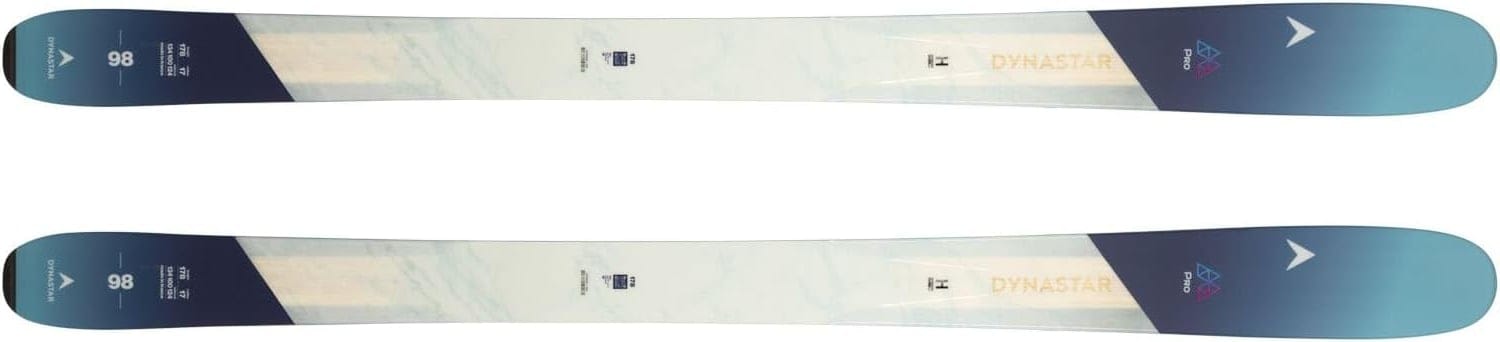 |  VS | |
| Waist Width | 98 mm | 99 mm |
| Turn Radius | 15 m at 162 cm | 18 m at 177 cm (5CUT multi-radius sidecut) |
| Rocker Profile | Progressive Rocker (Rocker/Camber/Rocker) | Rocker-camber-rocker (11 mm tip rise, 2 mm camber, 6 mm tail rise) |
| Metal Layers | Titanal (layer count not specified) | No metal |
| Length Range | 154-170 cm | 149-184 cm |
| Weight | N/A | 4.3 lb per ski at 177 cm |
| Warranty | 1 Year | N/A |
| Sidecut Dimensions | 133-98-123 mm | 130-99-120 mm |
| Core Material | Hybrid Core 2.0 Poplar Tri Directionnal PU | Aspen veneer wood core |
| Sidewall | Full sidewall construction | Capwall (Thick-Cut Sidewall) |
| Dynastar M-Pro 98 W | LINE Pandora 99 |
|---|---|
| |
| Waist Width | |
98 mm | 99 mm |
| Turn Radius | |
15 m at 162 cm | 18 m at 177 cm (5CUT multi-radius sidecut) |
| Rocker Profile | |
Progressive Rocker (Rocker/Camber/Rocker) | Rocker-camber-rocker (11 mm tip rise, 2 mm camber, 6 mm tail rise) |
| Metal Layers | |
Titanal (layer count not specified) | No metal |
| Length Range | |
154-170 cm | 149-184 cm |
| Weight | |
N/A | 4.3 lb per ski at 177 cm |
| Warranty | |
1 Year | N/A |
| Sidecut Dimensions | |
133-98-123 mm | 130-99-120 mm |
| Core Material | |
Hybrid Core 2.0 Poplar Tri Directionnal PU | Aspen veneer wood core |
| Sidewall | |
Full sidewall construction | Capwall (Thick-Cut Sidewall) |
Stability
M-Pro 98 W
Pandora 99
Stability matters in an all-mountain ski because it determines how confidently the ski holds its line when speed picks up, when snow turns variable and when terrain gets steep. The M-Pro 98 W earns the stronger rating here, with buyer feedback repeatedly praising its sturdy construction, its metal layers that damp vibration and its planted feel in steep and challenging terrain. Reviewers also describe it as quiet and composed, with polyurethane sidewalls helping to reduce chatter and keep the ski settled. The Pandora 99 is no weak performer, since its thicker sidewalls add dampness, its stiffer flex helps it charge and some testers found it solid in the steeps. However, several comments note that it lacks higher-end stability at speed and that it comes alive more than it stays calm when pushed hard. For a buyer who skis fast, carves hard or wants a ski that feels settled in rough snow, the M-Pro 98 W is the more reassuring choice.
Edge Grip
M-Pro 98 W
Pandora 99
Edge grip determines how well a ski bites on firm snow, how precisely it carves and how it finishes a turn when you lean it onto its edge. Both skis earn nearly identical ratings here, so this is a category where each ski has a different strength rather than a clear overall winner. The M-Pro 98 W gets praise for good grip from its metal underfoot, for feeling eager to be on edge and for grabbing firm snow without becoming overly aggressive, though one reviewer felt the tail could fade at the very end of a turn. The Pandora 99 sets an edge better than many expected, and its thicker underfoot sidewalls give it support when leaned over, but some buyers note less carving ability on groomers because it has no metal, and its longer effective edge from an 18 m turn radius favors wide, sweeping arcs. A buyer who prioritizes firm-snow carving with a sharper, more metal-driven feel should lean toward the Dynastar, while a skier who mainly wants reliable edge hold on mixed terrain with a broader turn shape will find the LINE just as capable.
Maneuverability
M-Pro 98 W
Pandora 99
Maneuverability shapes how easily a ski changes direction, how quickly it swings through tight turns and how much effort it takes to play in trees, bumps and off-trail terrain. Both skis score very strongly here, and buyers consistently describe each as agile, which makes this one of the closest categories in the comparison. The M-Pro 98 W is praised as more nimble than wider skis, easy to pivot, quick in the bumps and trees and light enough to avoid sluggishness, with reviewers highlighting its short contact length and shovel mobility. The Pandora 99 gets equally enthusiastic feedback for being incredibly mobile, easy to throw sideways, simple to smear and drift and quick to swivel through transitions, thanks to softer, lighter tips and tails and a cap construction that supports that agility. The difference is in feel: the Dynastar feels precise and clean through turns, while the LINE feels looser and more playful. Both are excellent choices for tight terrain, so buyers should pick based on whether they want a crisp turner or a lively, easy-to-slide ski.
Forgiveness
M-Pro 98 W
Pandora 99
Forgiveness matters because it determines how much a ski helps you recover from mistakes, how easy it is to ski at moderate speeds and how quickly a less experienced or returning skier can feel comfortable on it. The Pandora 99 has the advantage here, with buyers reporting it is easy to enjoy at lower speeds, more accessible than many skis in its category and especially fun in the trees. Some reviewers noted that it took a lap or two to get used to its lively character, but once adjusted they found it friendly and approachable. The M-Pro 98 W has a more mixed picture: its forgiveness rating is low, though it never forces a particular turn shape or size, which gives skiers room to adapt. Its strengths are in composure and predictability rather than in easing mistakes. A buyer who wants a ski that is kinder when things go wrong or that suits progressing skiers should favor the LINE, while an experienced skier who doesn't need extra help will likely be fine with the Dynastar.
Powder Performance
M-Pro 98 W
Pandora 99
Powder performance is important for an all-mountain ski because flotation, ease of turning in deep snow and balance in soft conditions decide how much fun a ski delivers on storm days and off-piste runs. The M-Pro 98 W is the stronger performer here, with reviewers describing its long rocker as a true floater that feels bouncy and easy to control in deep snow, and one that stays afloat with a powerful, confident feel. Buyers also say it works well in trees and in soft snow, which broadens its appeal beyond wide-open powder bowls. The Pandora 99 is also a capable float ski, with good flotation from its tip and tail rocker and a comfortable feel in softer snow, bumps and tree runs, though its rocker splay is lower and buyers consider it a bit less powerful in deep snow. Powder hounds who ski mostly in deep, consistent snow will appreciate the Dynastar's lift and stability, while those who split time between powder and groomed runs may find the LINE just as enjoyable.
Versatility
M-Pro 98 W
Pandora 99
Versatility is central to any all-mountain ski because the category is meant to handle groomers, powder, trees, chop and variable snow without requiring a quiver of specialized skis. Both products score very highly here and are praised for working across a broad range of conditions, which makes this category a close call. The M-Pro 98 W is described as an all-mountain ski that blends in freeride qualities, works well in crud, chop and changing snow and performs across a range of speeds, which makes it a strong one-ski option for skiers who want reliable performance everywhere. The Pandora 99 has a more distinct personality, with a twin-tip shape that supports freestyle, park, switch skiing and jibbing while still handling groomers well as a directional ski, and buyers describe it as suitable for intermediates through experts. For a skier who wants one ski for all-mountain terrain with a serious, stable character, the Dynastar fits well. For a skier who wants a single ski that also works in the park and rewards playful riding, the LINE is the better match.
Trust & Transparency
- Data-driven rankings from real user reviews
- Affiliate partnerships don't influence our methodology
We may earn commission from links.
Conclusion & Final Verdict:
Choose the Dynastar M-Pro 98 W if you want a calm, stable, metal-backed all-mountain ski that turns quickly in bumps and trees, floats well in powder and holds its composure at speed. It suits skiers who ski hard, want a damp, quiet ride and prefer a precise, planted feel.
Choose the LINE Pandora 99 if you want a lively, playful ski that is easy to throw sideways, forgiving at moderate speeds and versatile enough for park, switch and freeride terrain. It suits intermediate to expert skiers who value fun and agility over high-speed stability.
Related Comparisons
Dynastar M-Pro 98 WvsElan Ripstick 96 Black Edition
The Dynastar M-Pro 98 W is the more stable, composed all-mountain ski, with stronger powder float and a quieter ride for skiers who want one ski for variable snow. The Elan Ripstick 96 Black Edition is the livelier, more playful option for mobility-focused skiers who prioritize quick turns and touring-friendly versatility.
Dynastar M-Pro 98 WvsHead Kore 94 Ti
The Dynastar M-Pro 98 W is the nimbler, better-floating choice for skiers who want quick turns in bumps, trees and soft snow. The Head Kore 94 Ti suits buyers who put damped stability and all-round versatility first, especially in crud, chop and changing conditions.
Dynastar M-Pro 98 WvsK2 Mindbender 96
The Dynastar M-Pro 98 W is the nimbler, softer-snow specialist that feels quick in bumps, trees, and powder, while the K2 Mindbender 96 is the steadier, more planted ski for fast, rough snow. Choose the M-Pro for playful variable terrain and the Mindbender for stability at speed.
Dynastar M-Pro 98 WvsNordica Santa Ana 92
The Dynastar M-Pro 98 W is the more agile, float-friendly ski, with quicker pivots and stronger powder and all-conditions versatility. The Nordica Santa Ana 92 suits buyers who want more forgiveness and a planted, damped feel on firm snow, though it rewards advanced skiers.
Dynastar M-Pro 98 WvsRossignol Sender 100
The Dynastar M-Pro 98 W is the better choice for skiers who want a stable, floaty all-mountain ski for powder, soft snow and variable terrain. The Rossignol Sender 100 suits those who prioritize firm-snow carving, quick flickable turns and playful freestyle versatility.
Dynastar M-Pro 98 WvsSalomon QST 100
The M-Pro 98 W is the quicker, more playful pick for trees, bumps, and soft snow, while the QST 100 is the stronger all-rounder with better carving grip and forgiveness. Choose the Dynastar for agile turning and the Salomon if you want one ski for the whole mountain.