
Giro Contour vs Anon M5
Why You Can Trust Us
- Side-by-side analysis based on real user feedback
- Unbiased comparisons, not influenced by partnerships
- Updated as new data becomes available
We may earn from affiliate links at no extra cost to you.
| Contour | M5 | |
|---|---|---|
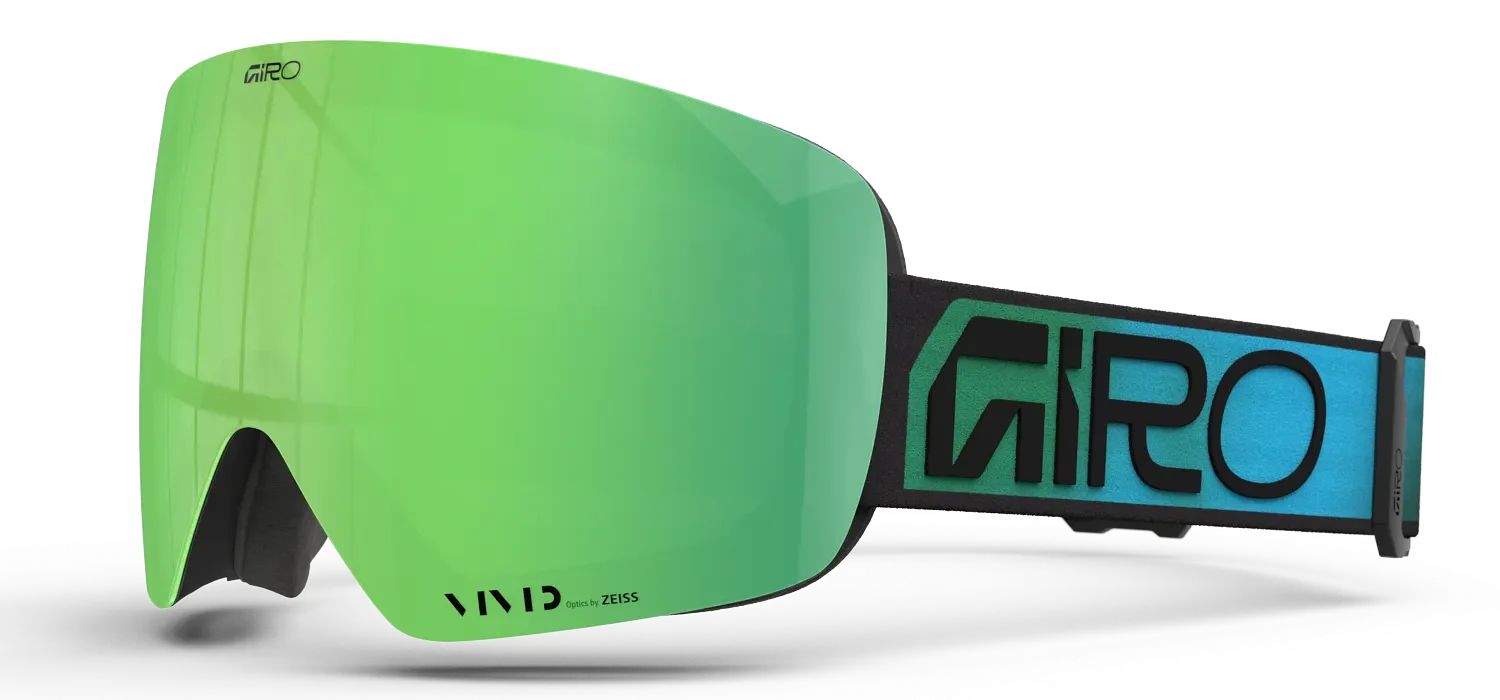 | 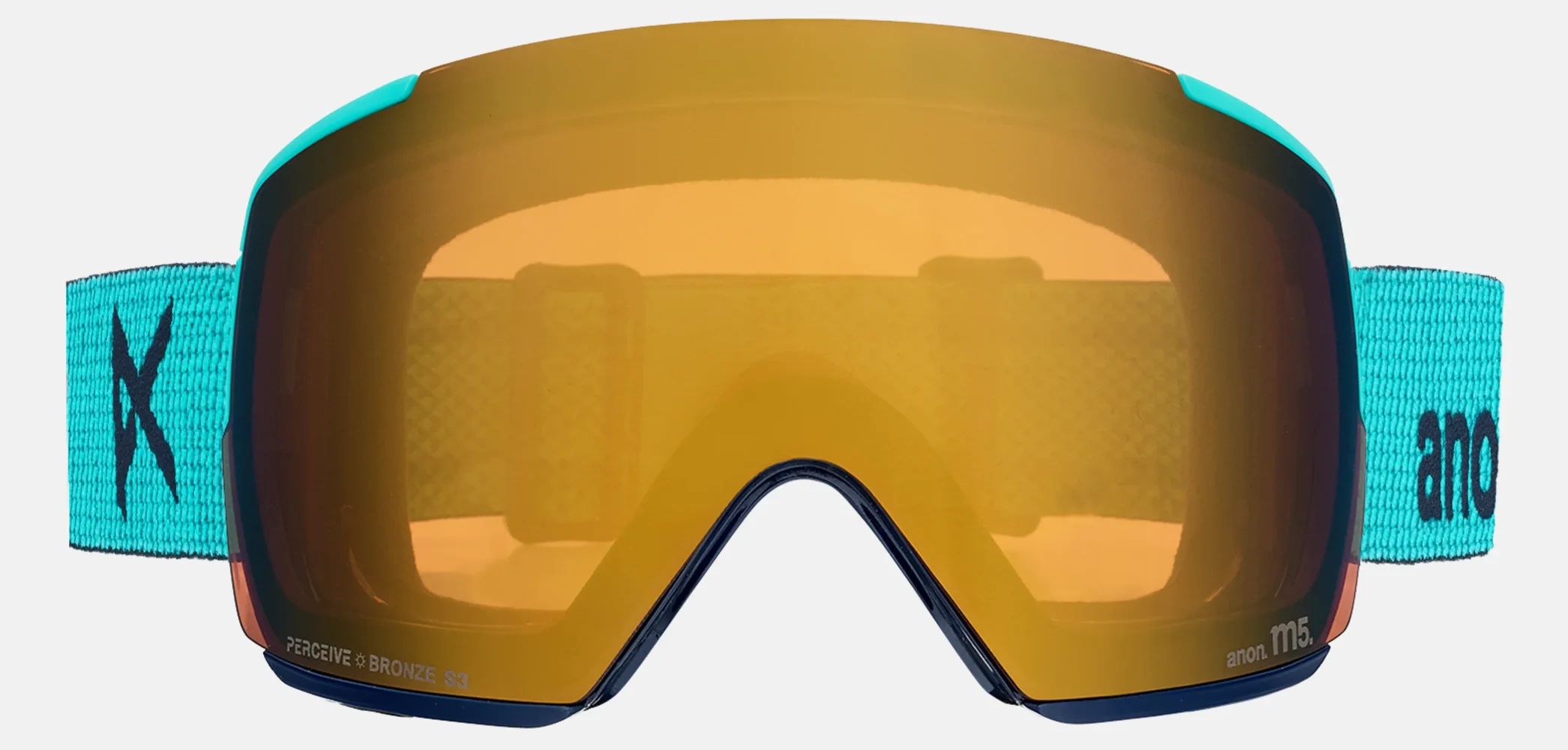 VS | |
| Lens Type | Toric | Flat toric |
| Lens Change System | Quick Change Lens System (magnets + 4 snap pins) | Magna-Tech magnetic lens change system |
| Included Lenses | 2: VIVID main lens + VIVID Infrared low-light bonus lens | 2: Perceive main lens + Perceive bonus lens (e.g., Sunny Bronze 17% + Cloudy Burst 59% VLT); MFI face mask included |
| Size | Medium/Large fit; Asian Fit version available | Regular fit; Low Bridge and smaller M5S versions available |
| OTG Compatibility | Not specified by maker | Not specified by maker |
| Lens Technology | VIVID with Optics by ZEISS; Expansion View (EXV+) | Perceive |
| Warranty | 1 year | 1 year |
| Anti-fog Coating | Yes (anti-fog lens coating) | Yes (Integral Clarity Technology anti-fog) |
| Ventilation | EVAK Vent Technology | N/A |
| Helmet Compatibility | Designed for Giro helmet integration | MFI magnetic face-mask integration |
| Foam Layers | N/A | N/A |
| Case Included | N/A | N/A |
| Giro Contour | Anon M5 |
|---|---|
| |
| Lens Type | |
Toric | Flat toric |
| Lens Change System | |
Quick Change Lens System (magnets + 4 snap pins) | Magna-Tech magnetic lens change system |
| Included Lenses | |
2: VIVID main lens + VIVID Infrared low-light bonus lens | 2: Perceive main lens + Perceive bonus lens (e.g., Sunny Bronze 17% + Cloudy Burst 59% VLT); MFI face mask included |
| Size | |
Medium/Large fit; Asian Fit version available | Regular fit; Low Bridge and smaller M5S versions available |
| OTG Compatibility | |
Not specified by maker | Not specified by maker |
| Lens Technology | |
VIVID with Optics by ZEISS; Expansion View (EXV+) | Perceive |
| Warranty | |
1 year | 1 year |
| Anti-fog Coating | |
Yes (anti-fog lens coating) | Yes (Integral Clarity Technology anti-fog) |
| Ventilation | |
EVAK Vent Technology | N/A |
| Helmet Compatibility | |
Designed for Giro helmet integration | MFI magnetic face-mask integration |
| Foam Layers | |
N/A | N/A |
| Case Included | |
N/A | N/A |
Comfort & Fit
Contour
M5
Comfort matters more than almost anything else in a goggle because you wear it for hours, and any pressure point or slipping frame can ruin a good day. Both products use triple-layer foam, but reviewers describe the Contour as especially plush, with a soft fleece-style face lining that wicks sweat and no reported pressure points on the forehead. The Contour also fits a broad range of faces and head sizes, with a reduced-size version for smaller faces, and its silicone bead and helmet tilt adjustment keep the frame snug against a helmet. It accommodates glasses well, which many riders need. The M5 is also widely called very comfortable, with a medium-to-large fit that does not feel oversized and a double-bead silicone strip that keeps it from shifting on a helmet, but some riders report a slight nose pinch and find the fit a little small for certain faces. For most buyers, the Contour is the more forgiving choice for long days, while the M5 is a strong option for riders with a standard face shape.
Durability
Contour
M5
Durability determines whether a goggle survives crashes, rough rides, and a full season of being tossed in a pack. Both products rely on scratch-resistant lens treatments and solid foam construction, and reviewers say the Contour's foam and lens coatings hold up well over seasons of use. Some reviewers, however, find the Contour's magnetic lens system delicate under rough use, and the feedback on its durability is limited and mixed. The M5 earns praise for its high-quality materials and connection points, a hydrophobic and oleophobic coating that resists scratches, and an included goggle sock that protects the spare lens. A few buyers note that the vented travel case is not the toughest option, so it needs careful packing on rough trips. The M5 has a slight edge based on more consistent build-quality feedback, but neither product has a dramatic durability advantage, and both benefit from normal care.
Optical Clarity
Contour
M5
Optics are the reason you buy a goggle, since clear, distortion-free vision in trees, flat light, and open terrain affects how confidently you ride. The Contour is the stronger performer here, with reviewers praising its VIVID lens with Optics by ZEISS for crisp, vivid clarity, a wide field of view, and good clarity at the corners from its spherical lens. Its rimless design and expanded field of view are said to help peripheral vision, and buyers describe it as offering some of the best visual quality in its price bracket. The M5 also gets strong marks for its flat toric lens, which delivers unwavering clarity with minimized distortion and a wide, sharp peripheral view. Some buyers say the M5 peripheral view can suffer if the size does not suit the face, and complaints about either lens are rare. The choice is less about quality and more about whether you prefer the Contour's vivid look or the M5's distortion-minimized flat lens, though the Contour edges ahead overall, especially for riders who prioritize vivid detail.
Fog Control
Contour
M5
Fogging is one of the most frustrating goggle problems on a ski day, because a fogged lens blurs the horizon exactly when you need to read terrain. Here the M5 has a clear advantage. Buyers strongly recommend its anti-fog coating and many call it a game changer, and the optional anti-fog treatment on the prescription insert and the MFI face mask both help reduce fogging. The Contour has a more mixed record. It uses fog-resistant coatings and an EVAK vent, and some reviewers say its armored vent prevents fogging when the foam gets wet, but negative feedback is heavier, with reports of persistent fogging, blurred horizons, and fogging in wet, cold, or high-exertion conditions. If you ride in wet snow, work hard for long stretches, or are prone to fogging, the M5 is the safer bet. The M5 has fewer total reviews on fog performance, so real-world results will still depend on your conditions.
Lens Changing
Contour
M5
Lens changing matters because light shifts quickly on the mountain, and a goggle that swaps lenses easily lets you adapt without fumbling with gloves. Both products include two lenses, a main lens and a low-light option, and both use magnets to make swaps quick. The M5 stands out here: its strong magnets clip the lenses in and out quickly and hold them securely, and reviewers say it is easy to change on the fly. The Contour's Quick Change system is praised for speed, but some reviewers find its magnets grab too eagerly, that swapping to the low-light lens at dusk is awkward, and that a lens occasionally pops out during a run. The M5 has its own drawbacks, since its rimless design can make swaps harder and fingerprints can land on the lens during changes. For riders who change lenses often and want a secure hold, the M5 is the better choice, while the Contour works well for those who swap only occasionally.
Style
Contour
M5
Style matters because a goggle sits on your face and next to your helmet all day, and many buyers want a clean look that matches their kit. The Contour is praised for its sleek, slimline frame, which blends into a helmet without a bulky look and comes in a range of colorways and designs. The M5's rimless shield design is called clean, smooth, and modern, and many buyers say it has the coolest look in the lineup and pairs well with helmets for a matching appearance. Both receive strong style reviews with nearly identical scores, and a few reviewers find the Contour's look quirky at times while others find the M5's shield look a bit bold. Neither product has an objective advantage here, so the decision comes down to personal taste: choose the Contour for a slim, understated profile and the M5 for a modern, rimless shield.
Trust & Transparency
- Data-driven rankings from real user reviews
- Affiliate partnerships don't influence our methodology
We may earn commission from links.
Conclusion & Final Verdict:
Choose the Giro Contour if you ride long days and value plush comfort, a wide range of face sizes, and vivid, wide-view optics, especially if you rarely ride in wet or hard-working conditions. Choose the Anon M5 if fogging is your biggest concern, you ride in wet or cold snow, or you change lenses often and want a secure magnetic hold with a clean rimless look. Both are strong goggles, so trying them on with your helmet and glasses is the best way to decide.
Related Comparisons
Anon M5vsOakley Flow Scape
The Anon M5 is the better choice for buyers who want easier lens swaps with strong magnets and a flat toric lens with a wide, sharp view. The Oakley Flow Scape suits riders who prioritize snow contrast, fog resistance, and all-day comfort.
Anon M5vsOakley Line Miner
The Anon M5 is the better pick for changing light, with a magnetic lens system and two lenses included. The Oakley Line Miner suits buyers who want all-day comfort over glasses, sharper peripheral optics, and a classic cylindrical look.
Giro ContourvsGiro Axis
The Giro Contour is the stronger all-day choice, with plush comfort and sharper, wider optics, while the Axis suits skiers who want a frameless, low-profile fit and somewhat better fog control. Pick the Contour for comfort and clarity, and the Axis if fogging is your main concern.
Giro ContourvsGlade Optics Adapt 2
Giro Contour is the better choice for sharp optics and plush all-day comfort, while Glade Optics Adapt 2 suits skiers who want stronger fog resistance, a photochromic lens that adjusts on its own, and fewer lens swaps to manage.
Giro ContourvsOakley Flight Deck
Giro Contour suits riders who put comfort, sharp optics, and a wide view first, while Oakley Flight Deck is the better pick for fog-resistant performance and a bolder look. Choose Contour for all-day comfort and clarity, and Flight Deck if fogging is your biggest concern.
Giro ContourvsOakley Flow Scape
Giro Contour suits buyers who put comfort, quick lens swaps and all-day wear with glasses first. Oakley Flow Scape is the better choice for sharper snow contrast, a wider view and stronger fog resistance.