
Giro Contour vs Glade Optics Adapt 2
Why You Can Trust Us
- Side-by-side analysis based on real user feedback
- Unbiased comparisons, not influenced by partnerships
- Updated as new data becomes available
We may earn from affiliate links at no extra cost to you.
| Contour | Adapt 2 | |
|---|---|---|
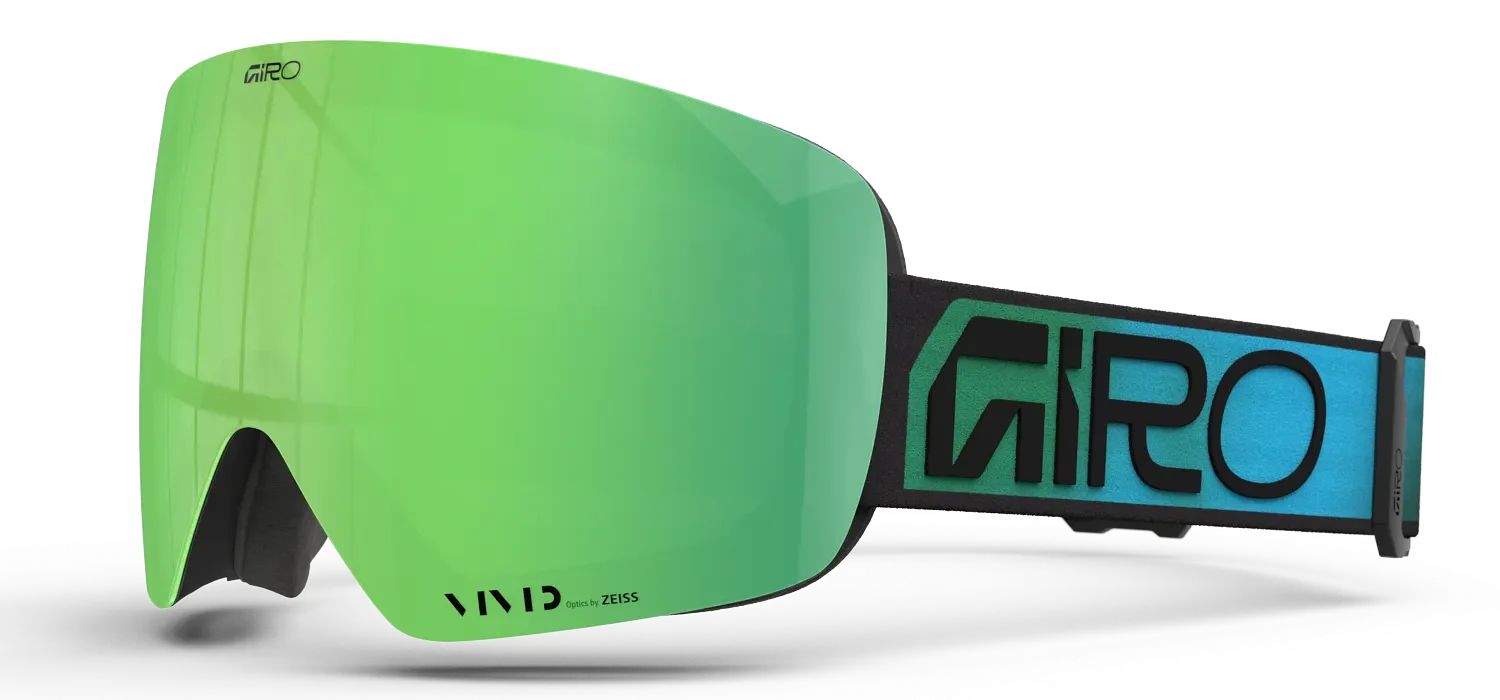 | 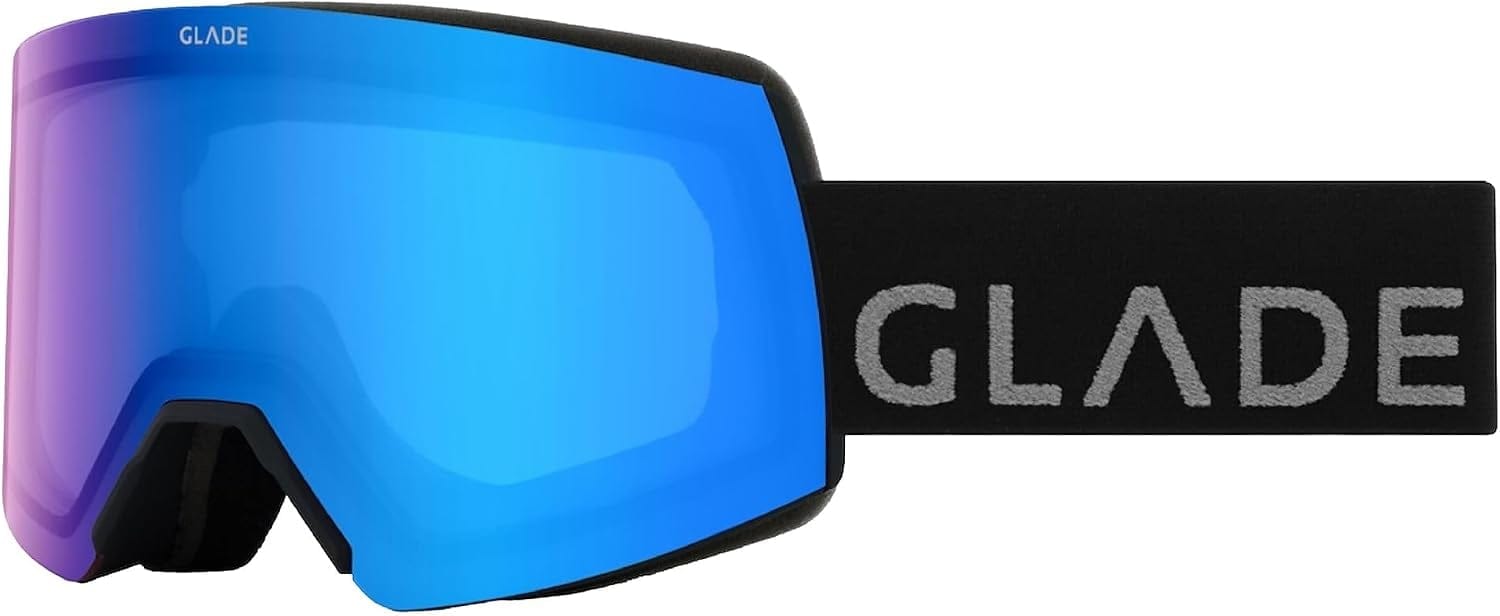 VS | |
| Lens Type | Toric | Cylindrical |
| Lens Change System | Quick Change Lens System (magnets + 4 snap pins) | Interchangeable lens, non-magnetic (no quick-change mechanism) |
| Included Lenses | 2: VIVID main lens + VIVID Infrared low-light bonus lens | 1: REVEAL photochromic lens (installed); VLT range varies by tint |
| Size | Medium/Large fit; Asian Fit version available | Medium/Large fit |
| OTG Compatibility | Not specified by maker | Yes (OTG; fits most glasses under 5.5 × 2 in) |
| Lens Technology | VIVID with Optics by ZEISS; Expansion View (EXV+) | REVEAL photochromic (REVEAL 4K option) |
| Warranty | 1 year | 2 years (materials and craftsmanship) |
| Anti-fog Coating | Yes (anti-fog lens coating) | Yes (anti-fog coating) |
| Ventilation | EVAK Vent Technology | Oversized fog-free vents |
| Helmet Compatibility | Designed for Giro helmet integration | Yes (gap-free fit with Glade helmets) |
| Foam Layers | N/A | 3 |
| Case Included | N/A | No hard case (microfiber bag with spare lens sleeve) |
| Giro Contour | Glade Optics Adapt 2 |
|---|---|
| |
| Lens Type | |
Toric | Cylindrical |
| Lens Change System | |
Quick Change Lens System (magnets + 4 snap pins) | Interchangeable lens, non-magnetic (no quick-change mechanism) |
| Included Lenses | |
2: VIVID main lens + VIVID Infrared low-light bonus lens | 1: REVEAL photochromic lens (installed); VLT range varies by tint |
| Size | |
Medium/Large fit; Asian Fit version available | Medium/Large fit |
| OTG Compatibility | |
Not specified by maker | Yes (OTG; fits most glasses under 5.5 × 2 in) |
| Lens Technology | |
VIVID with Optics by ZEISS; Expansion View (EXV+) | REVEAL photochromic (REVEAL 4K option) |
| Warranty | |
1 year | 2 years (materials and craftsmanship) |
| Anti-fog Coating | |
Yes (anti-fog lens coating) | Yes (anti-fog coating) |
| Ventilation | |
EVAK Vent Technology | Oversized fog-free vents |
| Helmet Compatibility | |
Designed for Giro helmet integration | Yes (gap-free fit with Glade helmets) |
| Foam Layers | |
N/A | 3 |
| Case Included | |
N/A | No hard case (microfiber bag with spare lens sleeve) |
Comfort & Fit
Contour
Adapt 2
Comfort matters more in goggles than almost any other category because you wear them for hours, and pressure points or a poor helmet seal quickly become distracting. Reviewers describe the Contour as exceptionally comfortable, with soft triple-layer foam, a fleece-style face lining that wicks sweat, and no pressure points reported on the forehead or elsewhere. Its silicone bead and fit system are said to snug against helmets and seal gaps, and it is described as easy to wear with glasses. The Adapt 2 also earns strong marks, with buyers calling its triple-density foam cushy and noting that the flatter cylindrical shape sits well and leaves no gap with a helmet. Its larger size gives good face coverage and cuts wind, though a few wider-faced skiers report pressure on the nose or against the eye. Overall the Contour has the more consistent comfort record with no complaints, so it is the safer pick if fit is your top concern, while the Adapt 2 is a strong alternative if its shape suits your face.
Durability
Contour
Adapt 2
Durability affects how well goggles hold up to crashes, rough rides and seasons of stowing in a pack. Evidence for the Contour is limited and mixed, but reviewers say the foam and scratch-resistant lens coatings hold up, and the armored vent foam is not seen as the limiting factor over several seasons. A recurring concern is that the magnetic lens system can feel delicate under rough use. The Adapt 2 has too little buyer feedback on durability to draw a firm conclusion, so its score reflects a lack of detail rather than a known weakness. In practice, the Contour has more positive durability signals to point to, but neither product has enough long-term evidence to call it clearly tough. If you ski hard or expect rough handling, look for careful lens storage and treat the Contour's magnetic mount with some care.
Optical Clarity
Contour
Adapt 2
Optics decide how well you read terrain, snow texture and flat light, so this is central to the choice. The Contour is widely praised for crisp, vivid clarity from its VIVID lens with Optics by ZEISS, and reviewers highlight the rimless toric design, which keeps the peripheral view wide and corners sharp. Expanded field-of-view features are also mentioned as helping in trees and open terrain, and complaints about the lens are rare. The Adapt 2 is described as clear and easy on the eyes, with buyers saying they can see well without squinting and that the lens offers good coverage. Its photochromic lens adjusts to changing light, which helps across conditions, though a few complaints keep its score below the Contour's. For buyers who prioritize the sharpest view and a wide field, the Contour is the clear choice, while the Adapt 2 delivers dependable visibility that does the job well.
Fog Control
Contour
Adapt 2
Fog is one of the most frustrating problems in ski goggles, especially when you are working hard or moving between cold and warm air. The Contour has its clearest weakness here, with reviewers reporting fogging when the foam gets wet, in cold conditions, or during high-exertion skiing despite its anti-fog coating and EVAK vent. Some buyers say the anti-fog system cannot keep up with heavy moisture, and that the horizon can blur as the lens fogs. The Adapt 2 gets positive mentions for its anti-fog coating and oversized brim vent holes, with buyers describing good ventilation and a near-guarantee against fogging. Fog feedback for the Adapt 2 is limited to a small number of comments, so the advantage is real but not fully proven. If clear vision in wet or hard conditions matters most to you, the Adapt 2 is the stronger option, and the Contour should be paired with careful venting habits.
Lens Changing
Contour
Adapt 2
Lens changing matters because light conditions shift quickly on the mountain, and a goggle that is easy to swap or adapts on its own can save time and frustration. The Contour offers a magnetic Quick Change Lens System and includes a low-light bonus lens, which many buyers find welcome. However, some reviewers say the magnets can grab too eagerly, that a lens has popped out mid-run, and that swapping to the low-light lens at dusk is awkward. The Adapt 2 relies on its photochromic lens to adjust to sunlight automatically, so many skiers rarely need to swap at all. Its interchangeable lenses use a conventional, non-magnetic mount, which is less quick but also avoids the pop-out concern, and a few buyers are unsure about the photochromic claims. For buyers who want a set-and-forget lens that adapts to changing light, the Adapt 2 is the better fit, while the Contour suits those who prefer faster manual swaps and carry a dedicated low-light option.
Style
Contour
Adapt 2
Style is a practical factor for goggles because they sit on your helmet and face in plain view, and the look should suit your kit. Reviewers consistently praise the Contour's sleek, slimline frame, which blends cleanly with a helmet and avoids a bulky look, and it comes in a range of colorways and designs. The Adapt 2 is admired for its classic cylindrical, squared-off profile, which buyers say pairs nicely with helmets and looks good on the slope. Both have strong style reputations, with the Contour appealing to buyers who want a modern, streamlined look and the Adapt 2 to those who prefer a traditional silhouette. Because the choice here is largely a matter of personal taste, neither product has a clear advantage.
Trust & Transparency
- Data-driven rankings from real user reviews
- Affiliate partnerships don't influence our methodology
We may earn commission from links.
Conclusion & Final Verdict:
Choose the Giro Contour if you want the sharpest, widest view and the most comfortable all-day fit, and you are comfortable managing fog in wet or hard conditions and swapping lenses by hand or magnet. Choose the Glade Optics Adapt 2 if fog resistance, a photochromic lens that adapts to light without swaps, OTG glasses compatibility and a longer warranty matter more to you, and its flatter cylindrical shape suits your face. For most skiers who prioritize optics and comfort, the Contour is the stronger pick, while the Adapt 2 is the more practical choice for variable weather and less lens fuss.
Related Comparisons
Giro ContourvsAnon M5
The Giro Contour is the comfort and optics pick for long days, with a plush fit that works well with helmets and glasses. The Anon M5 suits riders who fog up often or swap lenses on the fly, thanks to stronger magnets and better anti-fog performance.
Giro ContourvsGiro Axis
The Giro Contour is the stronger all-day choice, with plush comfort and sharper, wider optics, while the Axis suits skiers who want a frameless, low-profile fit and somewhat better fog control. Pick the Contour for comfort and clarity, and the Axis if fogging is your main concern.
Giro ContourvsOakley Flight Deck
Giro Contour suits riders who put comfort, sharp optics, and a wide view first, while Oakley Flight Deck is the better pick for fog-resistant performance and a bolder look. Choose Contour for all-day comfort and clarity, and Flight Deck if fogging is your biggest concern.
Giro ContourvsOakley Flow Scape
Giro Contour suits buyers who put comfort, quick lens swaps and all-day wear with glasses first. Oakley Flow Scape is the better choice for sharper snow contrast, a wider view and stronger fog resistance.
Giro ContourvsOakley Line Miner
The Giro Contour is the better pick for all-day comfort, sharp toric optics, and quick lens swaps, while the Oakley Line Miner is stronger for fog resistance, a retro cylindrical look, and wearers who need prescription inserts. Choose the Contour for versatility and the Line Miner for foggy or wet conditions and style.
Giro ContourvsOutdoorMaster PRO Magnetic
The Giro Contour suits riders who put comfort, sharp optics, and a bonus low-light lens first. The OutdoorMaster PRO Magnetic is the better pick for riders who need reliable fog control, secure lens swaps, and long-term durability.