
Giro Contour vs Giro Axis
Why You Can Trust Us
- Side-by-side analysis based on real user feedback
- Unbiased comparisons, not influenced by partnerships
- Updated as new data becomes available
We may earn from affiliate links at no extra cost to you.
| Contour | Axis | |
|---|---|---|
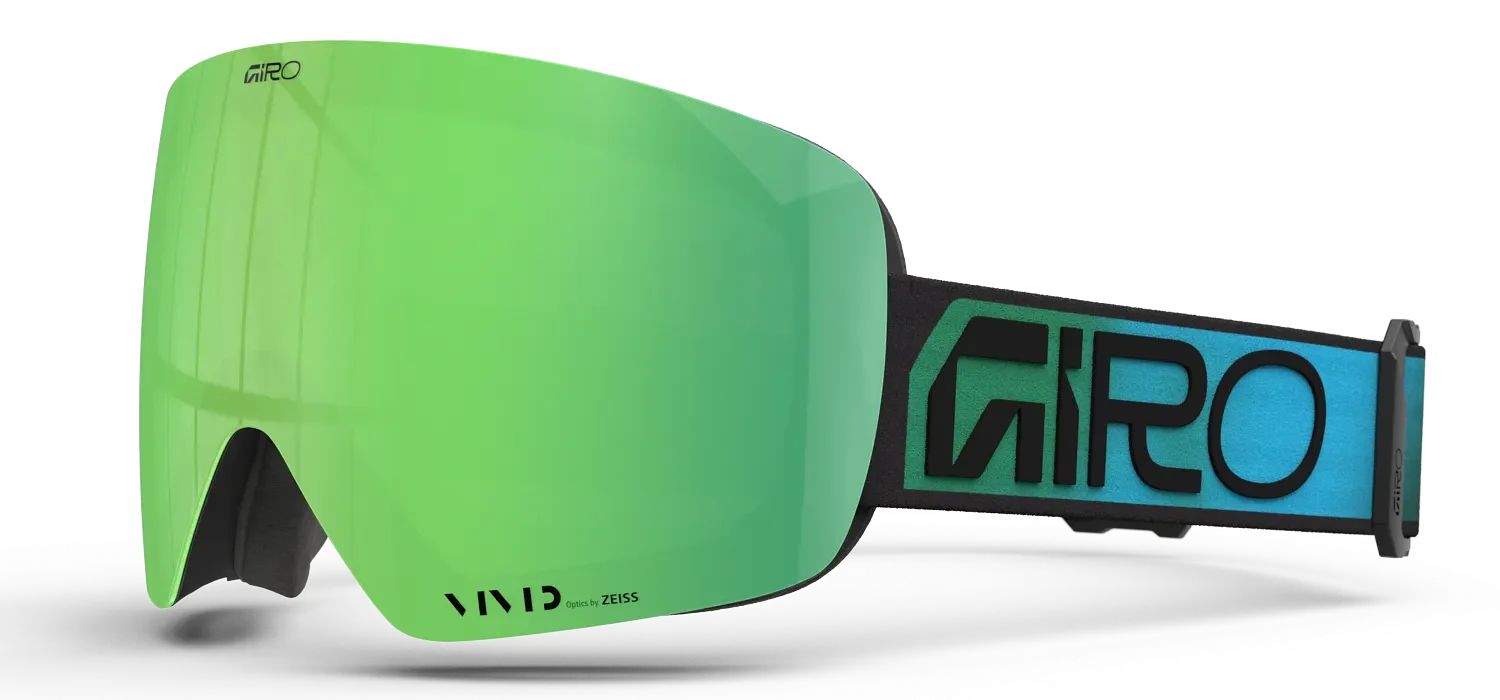 | 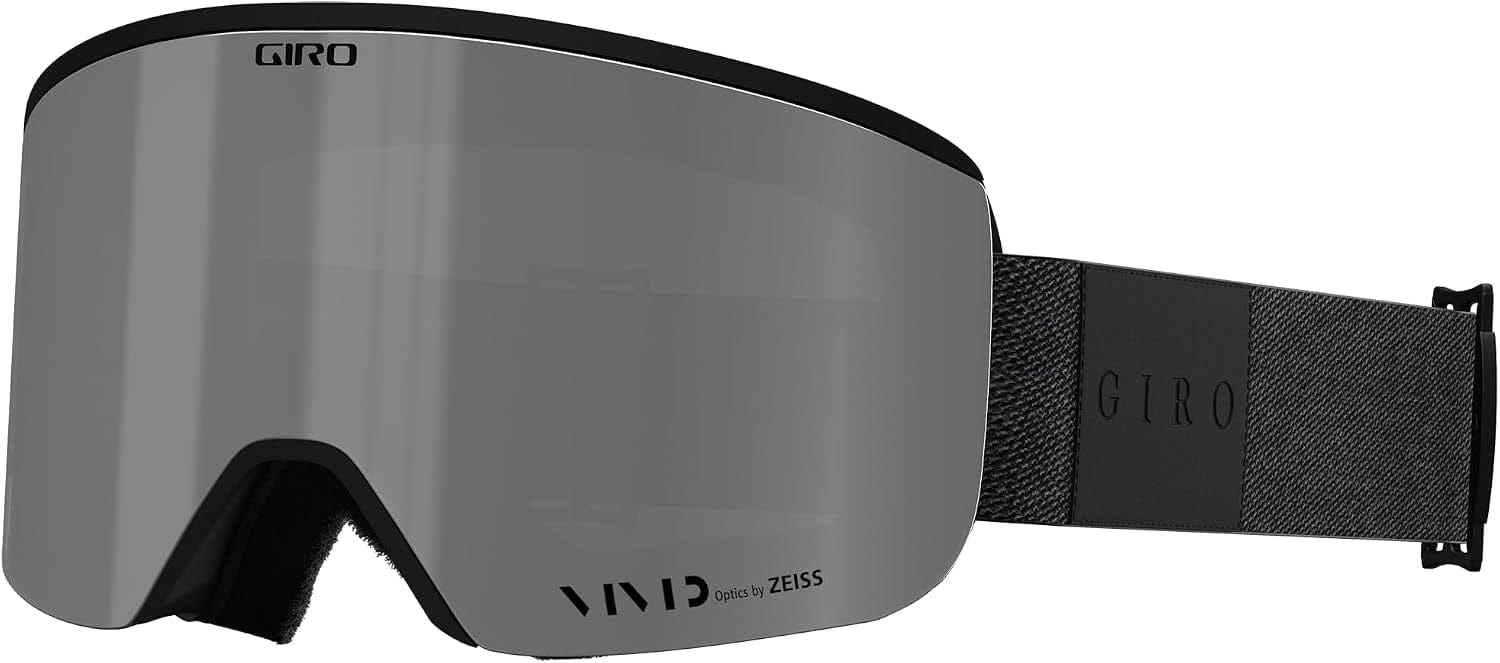 VS | |
| Lens Type | Toric | Cylindrical (injection-molded) |
| Lens Change System | Quick Change Lens System (magnets + 4 snap pins) | Quick Change Lens System (magnets + 4 snap pins) |
| Included Lenses | 2: VIVID main lens + VIVID Infrared low-light bonus lens | 2: VIVID sun/all-conditions lens + VIVID Infrared storm/low-light lens |
| Size | Medium/Large fit; Asian Fit version available | Medium fit |
| OTG Compatibility | Not specified by maker | Not specified by maker |
| Lens Technology | VIVID with Optics by ZEISS; Expansion View (EXV+) | VIVID with Optics by ZEISS; Expansion View (EXV) |
| Warranty | 1 year | 1 year |
| Anti-fog Coating | Yes (anti-fog lens coating) | Yes (anti-fog lens coating) |
| Ventilation | EVAK Vent Technology | EVAK Vent Technology |
| Helmet Compatibility | Designed for Giro helmet integration | Designed for Giro helmet integration |
| Foam Layers | N/A | N/A |
| Case Included | N/A | N/A |
| Giro Contour | Giro Axis |
|---|---|
| |
| Lens Type | |
Toric | Cylindrical (injection-molded) |
| Lens Change System | |
Quick Change Lens System (magnets + 4 snap pins) | Quick Change Lens System (magnets + 4 snap pins) |
| Included Lenses | |
2: VIVID main lens + VIVID Infrared low-light bonus lens | 2: VIVID sun/all-conditions lens + VIVID Infrared storm/low-light lens |
| Size | |
Medium/Large fit; Asian Fit version available | Medium fit |
| OTG Compatibility | |
Not specified by maker | Not specified by maker |
| Lens Technology | |
VIVID with Optics by ZEISS; Expansion View (EXV+) | VIVID with Optics by ZEISS; Expansion View (EXV) |
| Warranty | |
1 year | 1 year |
| Anti-fog Coating | |
Yes (anti-fog lens coating) | Yes (anti-fog lens coating) |
| Ventilation | |
EVAK Vent Technology | EVAK Vent Technology |
| Helmet Compatibility | |
Designed for Giro helmet integration | Designed for Giro helmet integration |
| Foam Layers | |
N/A | N/A |
| Case Included | |
N/A | N/A |
Comfort & Fit
Contour
Axis
Comfort matters most in a goggle because it is the one thing you feel for an entire day, and a poor seal or a pressure point can ruin a run before it starts. Reviewers consistently describe the Contour as plush, with soft triple-layer foam, a fleece-style face lining that wicks sweat, and no reported pressure points on the forehead. Its fit works across a broad range of face and head shapes, a reduced-size RS version covers smaller faces, and the silicone bead and Inform 2 fit system help it snug against the helmet and seal out air leaks. The Axis also earns strong comfort marks, with reviewers praising its low-profile clip that tucks under a helmet, a nose area that does not pinch, and a silicone strap and inlay that keep it planted. However, several reviewers note that pressure and looseness can vary with head shape, so the Axis is less predictable across different faces. For most buyers, especially those with varied face shapes or who wear glasses underneath, the Contour is the safer comfort pick.
Durability
Contour
Axis
Durability matters for skiers who put goggles through rough rides, frequent crashes, and seasons of hard use, since a damaged lens or failing component can mean replacing the whole goggle. The Contour's foam and scratch-resistant lens coatings hold up well in reviews, and its back foam layer adds structure, though a few reviewers say the magnetic lens system feels delicate under real-world abuse. The Axis gets praise for injection-molded lenses and an ultra-durable, non-absorbent foam, but it also shows a notable complaint, with some reviewers reporting lenses damaged beyond repair and plastic parts breaking over a few seasons. Both products carry mixed durability signals from a limited set of owner reports, so neither clearly pulls ahead. Buyers who ski hard or often should weigh the Axis's lens-damage reports against the Contour's magnetic-system concerns, and consider the one-year warranty on either model.
Optical Clarity
Contour
Axis
Optics are the main reason many skiers buy a goggle, because clarity decides how well you read terrain, bumps, and changing snow texture. The Contour's Zeiss-optimized VIVID lens earns frequent praise for crisp, vivid detail, and its rimless toric design and EXV+ expansion view keep the peripheral field wide, with corners staying sharp. Reviewers describe its optics as among the best in its price bracket and say it brings distant mountains into focus. The Axis is also well regarded, with a frameless cylindrical design that gives a big field of view, sharp detail, and especially good depth perception in snow. Its clarity is praised, but reviewers mention depth and contrast less often than they praise the Contour's vivid, wide-angle view. For buyers who value the sharpest image and widest peripheral view, the Contour is the stronger optical choice, while the Axis remains a solid option for snow-focused skiing.
Fog Control
Contour
Axis
Fog control is where skiers feel the difference most when conditions turn wet, cold, or demanding, because a fogged lens can blur the horizon and slow you down. The Contour has anti-fog coatings and an EVAK vent, and some reviewers say the armored vent and moisture-releasing foam prevent fogging. However, fog is the Contour's weakest category, with recurring complaints about fogging in wet or cold conditions and during heavy exertion, and reviewers note the coating is not fog-proof. The Axis uses EVAK venting and foam that lets air escape while keeping water out, and reviewers say the anti-fog coating is useful for everyday skiing. It still fogs during high-intensity effort and on very foggy trails, and its foam must be fully dried overnight to avoid dampness. Overall, the Axis handles fog more reliably, so buyers who ski wet, humid, or hard-working runs should favor the Axis.
Lens Changing
Contour
Axis
Lens changing matters because light shifts quickly across a ski day, and a goggle that swaps lenses easily lets you adapt without stopping. Both models use a magnetic Quick Change Lens System with four snap pins and include a bright or sunny lens and a low-light lens, so the basic workflow is nearly identical. Reviewers praise the Contour's quick-change system and its included low-light bonus lens, but some find the magnets grab too eagerly, and a few report lenses popping out mid-run. The Axis's magnetic self-locating lenses are described as quick and well suited to changing weather, with some reviewers saying the lens comes off easily and clicks on neatly. Other reviewers say the lenses do not always snap securely and can pop off, so both products need a quick check of the lock before heading down. Neither has a clear advantage, so the choice comes down to which magnet feel you prefer.
Style
Contour
Axis
Style matters because goggles are worn in full view, and a sleek fit can make your helmet and jacket look coordinated. The Contour's slimline frame is praised for a clean, not-bulky look that blends into a helmet, with a range of colorways and reviewers describing it as really good looking. The Axis is also well liked, with many color options and a frameless design that reviewers often call drippy, with a standout drippy patch that gives it a distinct character. Reviewers see the Contour as the cleaner, more integrated look and the Axis as the more distinctive, eye-catching option. Because style is largely a matter of taste, neither product clearly wins, and buyers should choose based on whether they prefer sleek and understated or bold and frameless.
Trust & Transparency
- Data-driven rankings from real user reviews
- Affiliate partnerships don't influence our methodology
We may earn commission from links.
Conclusion & Final Verdict:
Choose the Giro Contour if comfort, optical clarity, and fit range matter most. It has the more comfortable, adaptable fit, the sharper and wider view, and the broader size options, though its fog control is its clear weakness.
Choose the Giro Axis if you ski wet, cold, or high-effort runs and want better fog management, a secure low-profile fit, and a distinctive frameless look. Check the lens lock on either model before each run, since both can pop a lens.
Related Comparisons
Giro AxisvsOutdoorMaster PRO Magnetic
The Giro Axis suits skiers who prioritize a helmet-friendly, comfortable fit and a wide frameless view, while the OutdoorMaster PRO Magnetic is the stronger choice for quick lens swaps, fog control, and everyday durability. Pick the Axis for comfort and style on a budget of compromises, or the PRO Magnetic for fewer fogging and lens-change problems.
Giro AxisvsSmith Squad MAG
The Giro Axis suits skiers who want all-day comfort, a wide frameless view, and a stylish look that sits easily under a helmet. The Smith Squad MAG is the stronger choice for sharper optics, better fog control, and a limited lifetime warranty.
Giro ContourvsAnon M5
The Giro Contour is the comfort and optics pick for long days, with a plush fit that works well with helmets and glasses. The Anon M5 suits riders who fog up often or swap lenses on the fly, thanks to stronger magnets and better anti-fog performance.
Giro ContourvsGlade Optics Adapt 2
Giro Contour is the better choice for sharp optics and plush all-day comfort, while Glade Optics Adapt 2 suits skiers who want stronger fog resistance, a photochromic lens that adjusts on its own, and fewer lens swaps to manage.
Giro ContourvsOakley Flight Deck
Giro Contour suits riders who put comfort, sharp optics, and a wide view first, while Oakley Flight Deck is the better pick for fog-resistant performance and a bolder look. Choose Contour for all-day comfort and clarity, and Flight Deck if fogging is your biggest concern.
Giro ContourvsOakley Flow Scape
Giro Contour suits buyers who put comfort, quick lens swaps and all-day wear with glasses first. Oakley Flow Scape is the better choice for sharper snow contrast, a wider view and stronger fog resistance.