
Ortovox Diract Voice vs Ortovox Focus Voice
Why You Can Trust Us
- Side-by-side analysis based on real user feedback
- Unbiased comparisons, not influenced by partnerships
- Updated as new data becomes available
We may earn from affiliate links at no extra cost to you.
| Diract Voice | Focus Voice | |
|---|---|---|
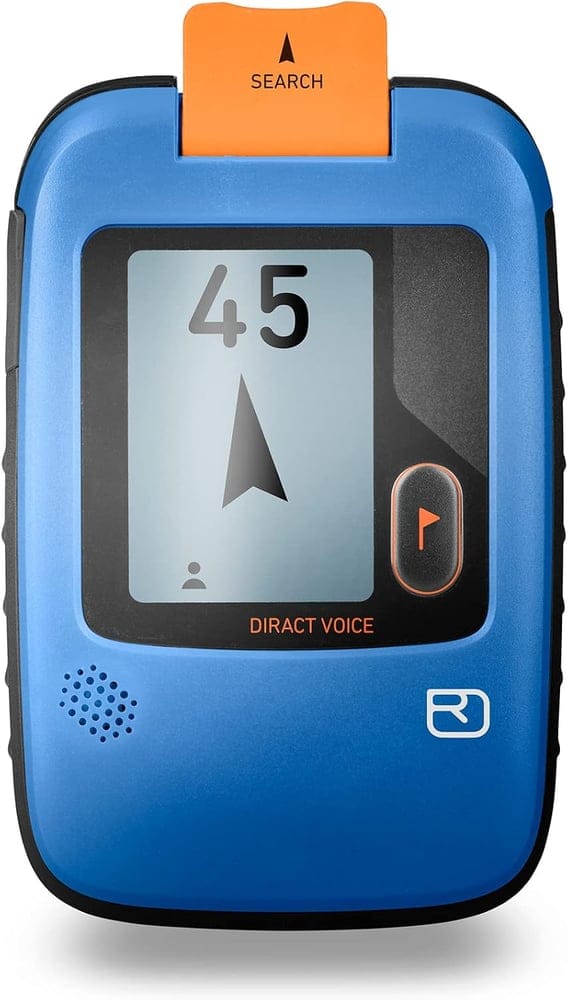 | 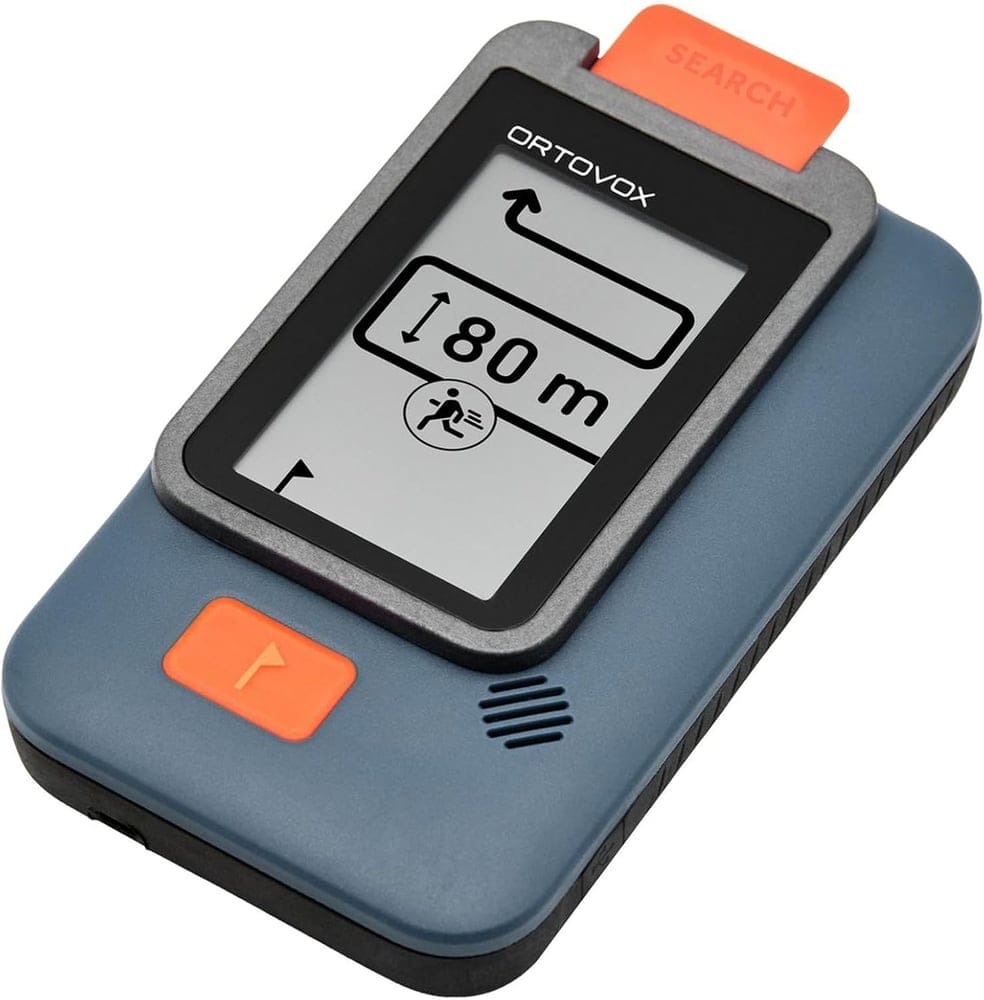 VS | |
| Antenna Count | 3 | 3 |
| Range | 164 ft (50 m search strip width) | 262 ft (80 m search strip width, ICAR) |
| Multiple Burial Marking | Yes (up to 4 victims) | Yes (up to 4 victims) |
| Weight | 7.4 oz | 6.5 oz (185 g) |
| Battery Life | ≈200 hr send + 1 hr search | ≈200 hr send |
| Warranty | 5 years with registration | 5 years with app registration |
| Frequency | 457 kHz | 457 kHz |
| Auto Revert Timer | Yes (secondary-avalanche switchover) | Yes, 2 min |
| Battery Type | Built-in rechargeable Li-ion (USB-C) | Built-in rechargeable Li-ion (USB-C) |
| Bluetooth | Yes | Yes |
| Dimensions | 4.72 × 3.11 × 0.91 in | 4.72 × 2.76 × 0.91 in |
| Ortovox Diract Voice | Ortovox Focus Voice |
|---|---|
| |
| Antenna Count | |
3 | 3 |
| Range | |
164 ft (50 m search strip width) | 262 ft (80 m search strip width, ICAR) |
| Multiple Burial Marking | |
Yes (up to 4 victims) | Yes (up to 4 victims) |
| Weight | |
7.4 oz | 6.5 oz (185 g) |
| Battery Life | |
≈200 hr send + 1 hr search | ≈200 hr send |
| Warranty | |
5 years with registration | 5 years with app registration |
| Frequency | |
457 kHz | 457 kHz |
| Auto Revert Timer | |
Yes (secondary-avalanche switchover) | Yes, 2 min |
| Battery Type | |
Built-in rechargeable Li-ion (USB-C) | Built-in rechargeable Li-ion (USB-C) |
| Bluetooth | |
Yes | Yes |
| Dimensions | |
4.72 × 3.11 × 0.91 in | 4.72 × 2.76 × 0.91 in |
Accuracy
Diract Voice
Focus Voice
Accuracy determines how quickly a searcher can get from a signal to the buried person, which is critical when every minute counts. Buyers report that the Diract Voice can misdirect the ground prompt when a second victim is close, and that it tends to overestimate distance, with one example showing 38 m displayed against roughly 30 m actual. That makes careful cross-checking necessary in multi-victim searches. The Focus Voice earns more positive feedback for pinpointing the smallest distance before probing, although that evidence is still limited. For most buyers, the Focus Voice is the more dependable choice when precision matters, and the Diract Voice should be used with extra verification.
Durability
Diract Voice
Focus Voice
Durability matters because a beacon is exposed to cold, wet, and rough handling on every tour, and a failure in the field can be serious. Buyer feedback on the Focus Voice is positive, with praise for its waterproof design, although the amount of supporting detail is limited. Feedback on the Diract Voice does not provide enough specific detail to judge its durability either way, so it is rated at a neutral level. Buyers who want the clearer signal of a weather-resistant design should lean toward the Focus Voice, while Diract Voice owners have less evidence to rely on in either direction.
Ease Of Use
Diract Voice
Focus Voice
Ease of use matters because searchers often work with gloves, under stress, and with little time to read a manual. Both beacons earn strong feedback in this category, which makes it one of the closest comparisons. Owners describe the Diract Voice as intuitive straight out of the box, with a one-hand switch to search mode, an easy flick-tab power-on that works with gloves, and no fiddly buttons. The Focus Voice is praised for its one-button interface, voice navigation in nine languages, and step-by-step prompts through each search stage. Either beacon will be easy to learn, so the choice depends on whether you prefer a simple layout or more guided prompts.
Field Reliability
Diract Voice
Focus Voice
Field reliability describes whether a beacon keeps working consistently across repeated tests and real conditions. Testers report steady performance across a dozen runs for the Diract Voice and detection at about 60 m, and the tab design helps prevent an accidental switch to send mode. Some buyers, however, note electronic interference from phones and GPS devices, so those gadgets should be kept away from the beacon during a search. The Focus Voice shows stronger feedback, with up to twice the transmitting range in an unfavorable burial position, an automatic switch back to transmit after two minutes without movement, interference protection, permanent self-testing, and an effective range up to 70 m in field tests. Buyers who want the most robust field behavior should favor the Focus Voice.
Signal Clarity
Diract Voice
Focus Voice
Signal clarity matters because a searcher needs to understand the beacon's guidance quickly and without confusion. The Diract Voice receives praise for spoken prompts such as run straight or bear right, along with rising and falling tones that show whether you are getting closer or farther. Buyers say these prompts keep their head up and attention on the terrain. The Focus Voice is praised for its 180-degree correction that tells you when to change direction, and for a high-readability display with clear, instant prompts. Both beacons deliver clear guidance in different ways, so the better choice depends on whether you prefer audible direction or a visual display.
Comfort
Diract Voice
Focus Voice
Comfort matters because a beacon is worn for hours on long tours and must be easy to access in a moment of need. The Diract Voice performs well here, with a slim, rounded body that fits a ski pant pocket, a fully adjustable harness, a textured grip, and an ergonomic fit that feels good in the hand. Some buyers also find its calm voice prompts reassuring under pressure. The Focus Voice has less supporting feedback in this area, with its 185 g weight and practical chest harness being the main points mentioned. For buyers who value a comfortable carry for long days, the Diract Voice is the stronger option.
Trust & Transparency
- Data-driven rankings from real user reviews
- Affiliate partnerships don't influence our methodology
We may earn commission from links.
Conclusion & Final Verdict:
The Diract Voice is the better pick if comfort and simplicity come first. Its slim body, adjustable harness, and calm spoken prompts make it a pleasant beacon to carry all day, and its controls are easy to learn. Be prepared to cross-check its readings in multi-victim searches, and keep phones and GPS devices away from it.
The Focus Voice is the stronger choice for search performance. It earns better marks for accuracy, field reliability, and antenna selection, and it is lighter with a wider stated search range. If you want the most dependable field performance and are willing to accept a less proven comfort record, the Focus Voice is the better buy.
Related Comparisons
Backcountry Access Tracker 3+vsOrtovox Diract Voice
The Tracker 3+ is the better pick for buyers who put search accuracy, clear signal display and battery endurance first, with simple operation and a slim pocket-friendly build. The Diract Voice suits buyers who want spoken direction prompts, steadier field performance and a more comfortable carry, while accepting less precise distance readings in multi-victim searches.
Ortovox Diract VoicevsBlack Diamond Guide BT
The Diract Voice is the easier, more pocket-friendly choice for searchers who want spoken direction and a simple one-hand setup with gloves on. The Guide BT suits buyers who want app-based settings, slightly better distance readings, built-in water resistance and much longer battery life.
Ortovox Diract VoicevsPIEPS Pro IPS
The Ortovox Diract Voice suits buyers who want a simple, low-stress beacon with clear spoken search prompts and easy gloved operation. The PIEPS Pro IPS is the better pick for buyers who prioritize long-range lock-on and interference handling, and who are willing to learn its less intuitive button layout.
PIEPS Pro IPSvsOrtovox Focus Voice
The PIEPS Pro IPS suits buyers who want the longest battery life and strong field range, though its unclear controls and overstated distance readout count against it. The Ortovox Focus Voice is the better pick for anyone who wants spoken search guidance, simpler operation, and a lighter build.
Backcountry Access Tracker SvsPIEPS Pro IPS
The Backcountry Access Tracker S suits beginners who want a simple, compact beacon with an easy-to-learn interface. The PIEPS Pro IPS is the better choice for experienced users who prioritize field range, lock-on, and longer battery life, and can accept less intuitive buttons.
Mammut Barryvox S2vsPIEPS Pro IPS
The Barryvox S2 suits buyers who want simple, glove-friendly guided searching and a lighter carry, while the Pro IPS fits buyers who prioritize longer field range and battery life and can accept a less intuitive button layout.