
Tecnica Cochise 130 vs Lange Shadow 130 MV
Why You Can Trust Us
- Side-by-side analysis based on real user feedback
- Unbiased comparisons, not influenced by partnerships
- Updated as new data becomes available
We may earn from affiliate links at no extra cost to you.
| Cochise 130 | Shadow 130 MV | |
|---|---|---|
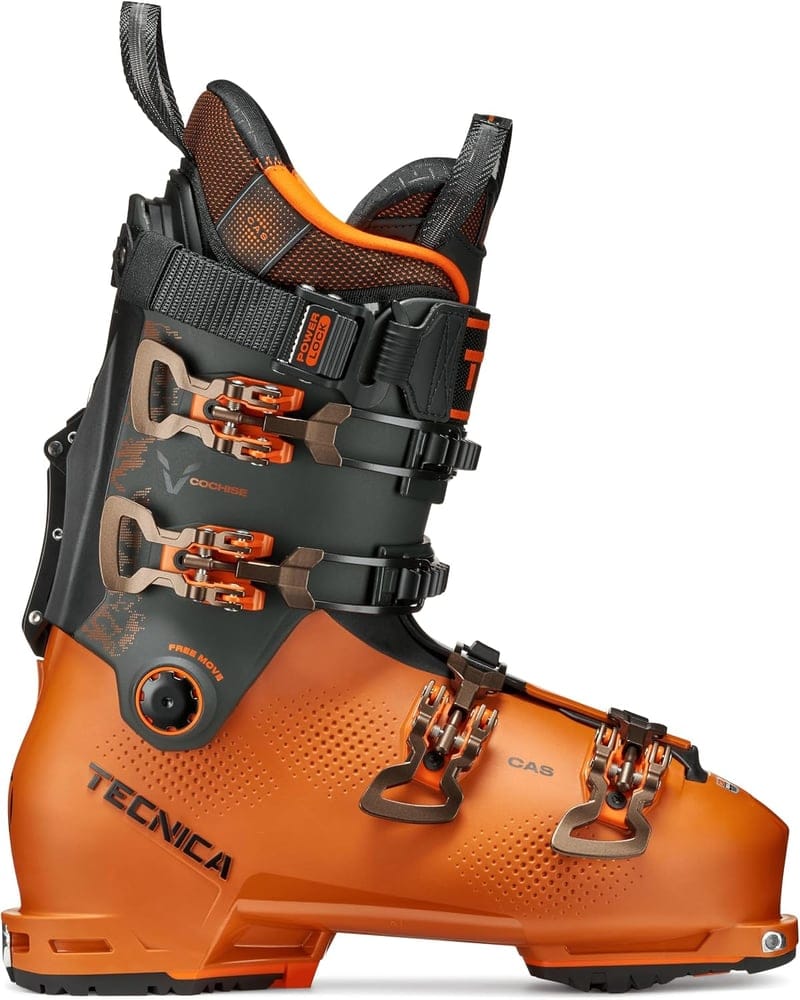 | 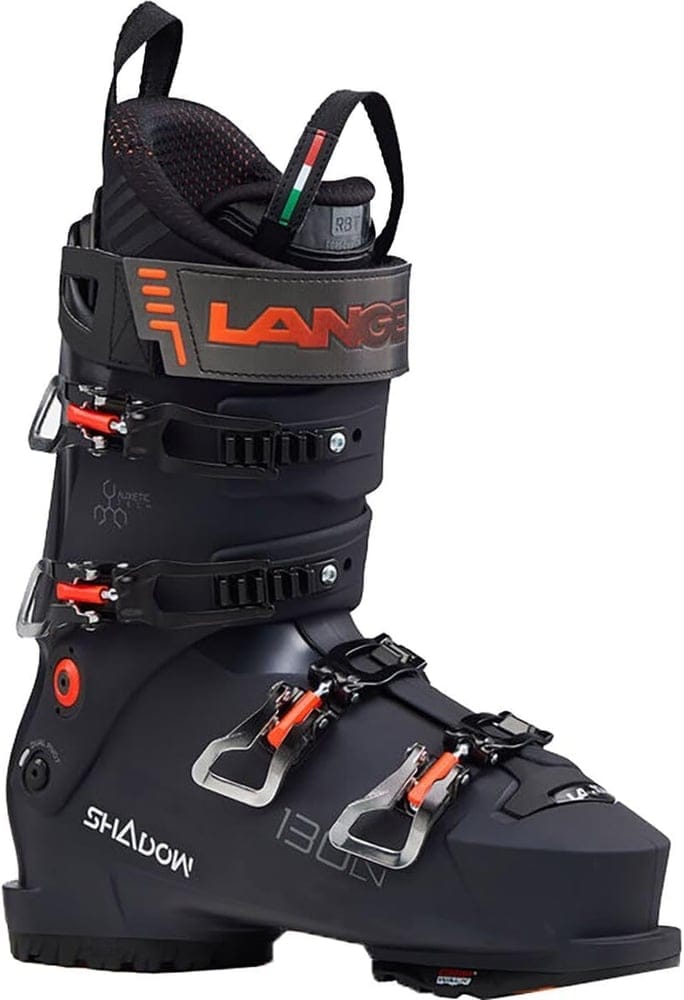 VS | |
| Flex Rating | 130 | 130 |
| Last Width | 99 mm | 100 mm |
| Closure System | 4 micro-adjustable aluminum buckles + 45 mm Power Lock strap | 4 buckles + power strap |
| Walk Mode | Yes – T-Ride walk mechanism, 55° range of motion | No |
| Sole Norm | GripWalk (ISO 23223) with DYN tech inserts | GripWalk (ISO 23223) |
| Weight | 4.16 lb (single boot, MP 26.5) | 4.37 lb (single boot, MP 26.5) |
| Warranty | Limited manufacturer warranty (term not published) | Limited manufacturer warranty (term not published) |
| Liner Type | Ecodesign High Performance Full C.A.S., lace-ready | One-piece thermoformable liner (Auxetic) |
| Shell Material | PU shell / carbon-PP bi-injected cuff | Polyurethane (Dual Core) |
| Forward Lean | 12.5° (+2° or +3.5° with spoiler) | Not specified |
| Ramp Angle | Not specified | Not specified |
| Size Range | 24.5–30.5 (Mondopoint) | 24–31.5 (Mondopoint) |
| Tecnica Cochise 130 | Lange Shadow 130 MV |
|---|---|
| |
| Flex Rating | |
130 | 130 |
| Last Width | |
99 mm | 100 mm |
| Closure System | |
4 micro-adjustable aluminum buckles + 45 mm Power Lock strap | 4 buckles + power strap |
| Walk Mode | |
Yes – T-Ride walk mechanism, 55° range of motion | No |
| Sole Norm | |
GripWalk (ISO 23223) with DYN tech inserts | GripWalk (ISO 23223) |
| Weight | |
4.16 lb (single boot, MP 26.5) | 4.37 lb (single boot, MP 26.5) |
| Warranty | |
Limited manufacturer warranty (term not published) | Limited manufacturer warranty (term not published) |
| Liner Type | |
Ecodesign High Performance Full C.A.S., lace-ready | One-piece thermoformable liner (Auxetic) |
| Shell Material | |
PU shell / carbon-PP bi-injected cuff | Polyurethane (Dual Core) |
| Forward Lean | |
12.5° (+2° or +3.5° with spoiler) | Not specified |
| Ramp Angle | |
Not specified | Not specified |
| Size Range | |
24.5–30.5 (Mondopoint) | 24–31.5 (Mondopoint) |
Comfort
Cochise 130
Shadow 130 MV
Comfort matters a lot in a 130-flex boot because stiffness only helps if you can stand in the boot for a full day. The Shadow 130 MV earns the stronger comfort reputation, with buyers describing it as plush out of the box, easy to get on and off, and comfortable for skiing all day without numbness on the top of the foot. Some buyers did note a slight pressure point on the instep and a need to adjust before the skiing position felt right, so it is not flawless. The Cochise 130 also performs well here, with buyers praising its quick instep, softer plastic that eases entry and exit, and few pressure points once the liner is moulded. Its booster straps are credited with reducing shin discomfort, and it is described as comfortable on the uphill as well as on the descent. Overall the Shadow is the more comfortable everyday resort boot, while the Cochise is comfortable enough for touring days, which makes the Shadow the winner in this category.
Fit
Cochise 130
Shadow 130 MV
Fit decides whether a boot feels like a natural extension of the foot, and here both boots have strong buyer support. The Cochise 130 uses a custom adaptive liner, a movable tongue, and an anatomical 99 mm last, and buyers say it fits like a second skin and can be personalised through moulding. It is a medium-volume boot rather than a low-volume one, and the cuff sits a little low, so buyers with slightly wider feet are pointed toward the HV version. The Shadow 130 MV is described as fitting well out of the box, with a forefoot that lets toes spread and a shorter shell that keeps interior length, and some buyers with lower-volume feet found it fit with minimal work. Entry and exit are easy thanks to a wide opening, and the buckles are simple to adjust. Its main complaints are that the spoiler can take up room and feel tight for some feet, and that the liner needs to break in before the fit fully settles. Because each boot suits a different foot shape, this category is a tie.
Performance
Cochise 130
Shadow 130 MV
Performance is the reason most skiers look at a 130 boot, and the two models take different routes to it. The Cochise 130 is praised for being lightweight and efficient on the climb, with its T-Ride walk and lock mechanism securing and releasing cleanly, and for delivering alpine-like downhill performance that buyers call close to 100 percent on-piste capable. Buyers also highlight its pin tech toe compatibility and Denafit fittings, which matter for anyone building a touring setup. The Shadow 130 MV performs especially well in moderate terrain and at moderate speeds, and buyers describe a smooth, progressive suspension blade, good top-end, a playful feel in the park, and skiing that matches the number on the spec sheet. Some buyers said it is less planted for racing and that performance is the same on softer snow and bumps, so it is more of a quick, all-round resort boot than an aggressive charger. Because both boots perform strongly in their intended roles, this category is a tie.
Heel Hold
Cochise 130
Shadow 130 MV
Heel hold matters because a loose heel causes blisters and reduces control, so buyers look for a boot that locks the heel into the pocket. The Cochise 130 has a modest but positive reputation here, with buyers saying the added volume gives more heel hold and that the oven-baked liner pulled the heel back into the pocket. The evidence is limited, so this score should be read as encouraging rather than definitive. The Shadow 130 MV gets mixed feedback: some buyers say the heel is snug and suctions into the pocket after moulding, while others found the pocket hard to get into or felt the heel was too wide. That split means heel hold depends a lot on the individual heel shape and how the liner is moulded. On balance the Cochise is the more reliable choice for heel security, so it takes this category.
Power Response
Cochise 130
Shadow 130 MV
Power response describes how well a boot transfers your leg movement into the ski, and the two boots use different designs. The Shadow 130 MV is the stronger performer here, with its lower pivot and dual pivot setup giving buyers a lower, more accessible power band and a larger area under the power curve. Several buyers said it needs less throttle to produce strong acceleration and that the stiff tongue and stiffer cuff plastic improve energy transfer without pushing far forward. The trade-off is that some skiers need a minute to adjust and must ease into driving the tongue, and a few said it requires hard effort to get more power or feels slightly soft at the front. The Cochise 130 is described as incredibly stiff on the descent, with its power lock strap cinching up to add forward flex support and a stiffer upper cuff providing a solid feel. Its evidence base is smaller, so it trails here, and the Shadow takes this category.
Lateral Stiffness
Cochise 130
Shadow 130 MV
Lateral stiffness controls how precisely a boot lets you carve and hold an edge at speed. The Cochise 130 is the clear leader in this area, with its carbon inlay adding a rigid spine that buyers say gives a stiffer lateral feel for side cut and precision. The evidence base is small, but it points in one direction. The Shadow 130 MV received split feedback, with one buyer finding its softer plastic pieces more supple but less precise, and another reporting the opposite view. That makes lateral stiffness a neutral factor for the Shadow rather than a clear reason to buy or avoid it. For skiers who prioritise edge precision, the Cochise is the safer choice, so it wins this category.
Trust & Transparency
- Data-driven rankings from real user reviews
- Affiliate partnerships don't influence our methodology
We may earn commission from links.
Conclusion & Final Verdict:
Choose the Tecnica Cochise 130 if you want one boot that handles resort skiing and real touring. Its walk mode, lighter weight, DYN inserts, and stiffer, more precise downhill feel make it the better option for skiers who climb, hike, or want firm edge control, and its heel hold and lateral stiffness reflect that.
Choose the Lange Shadow 130 MV if you mostly ski on-piste and comfort matters most. It is the plush, easy-to-enter boot that stays comfortable through a full day, has a wider size range, and delivers a lower, more accessible power band for smooth, quick skiing. Heel fit is less predictable, so try it on before buying.
Related Comparisons
Nordica Speedmachine 3 130 BOA DDvsTecnica Cochise 130
The Cochise 130 is the stronger all-round choice, with better climbing, a stiffer downhill feel, and a fit that suits more skiers. The Speedmachine 3 130 BOA DD appeals to resort skiers who value its shin wrap and BOA closure and can accept a difficult entry.
Salomon S/Pro Alpha C BOA 130vsLange Shadow 130 MV
The Salomon S/Pro Alpha C BOA 130 suits aggressive skiers who want a locked-in heel and sharp, reactive carving, but it runs snug and low-volume. The Lange Shadow 130 MV is the easier choice for average-width feet and all-day comfort, with a softer, more forgiving power feel.
Tecnica Cochise 130vsArmada AR One 130 MV
The Tecnica Cochise 130 suits skiers who want one boot for resort skiing and occasional touring, thanks to its walk mode, lighter weight and better fit feedback. The Armada AR One 130 MV is the better choice for buyers who put heel lock and aggressive carving first and climb less often.
Tecnica Cochise 130vsAtomic Remedy 130
The Cochise 130 suits skiers who want one boot for resort and touring days, with a much lighter build, a walk mode and a more comfortable, personalized fit. The Remedy 130 suits resort skiers who prioritize a firm, damp, locked-in feel for carving and charging, and who are willing to work on liners and footbeds.
Tecnica Mach Sport HV 65 WvsLange Shadow 130 MV
The Mach Sport HV 65 W suits buyers with wide feet who want to tune the cuff and cleat for their lower legs, while the Shadow 130 MV is the stronger all-around choice for comfort, power and performance on snow. Choose the Tecnica if adjustability is your priority and the Lange if you want a plush, performance-oriented boot for average-width feet.
Tecnica Mach Sport HV 65 WvsTecnica Cochise 130
The Cochise 130 is the stronger choice for skiers who want touring walk mode and a stiffer, more powerful downhill feel. The Mach Sport HV 65 W suits wider-footed skiers who mainly want adjustable calf and lower-leg fit.