
Ultralight vs Lightweight Backpacking: What's the Difference?
Compare lightweight and ultralight backpacking by system discipline, comfort, cost, durability, skills, and trip-specific safety margin.
Draft status: Step 9 completed on 2026-07-21. This is article prose only, not the final structured blog object. Weight bands are attributed conventions, not official standards.
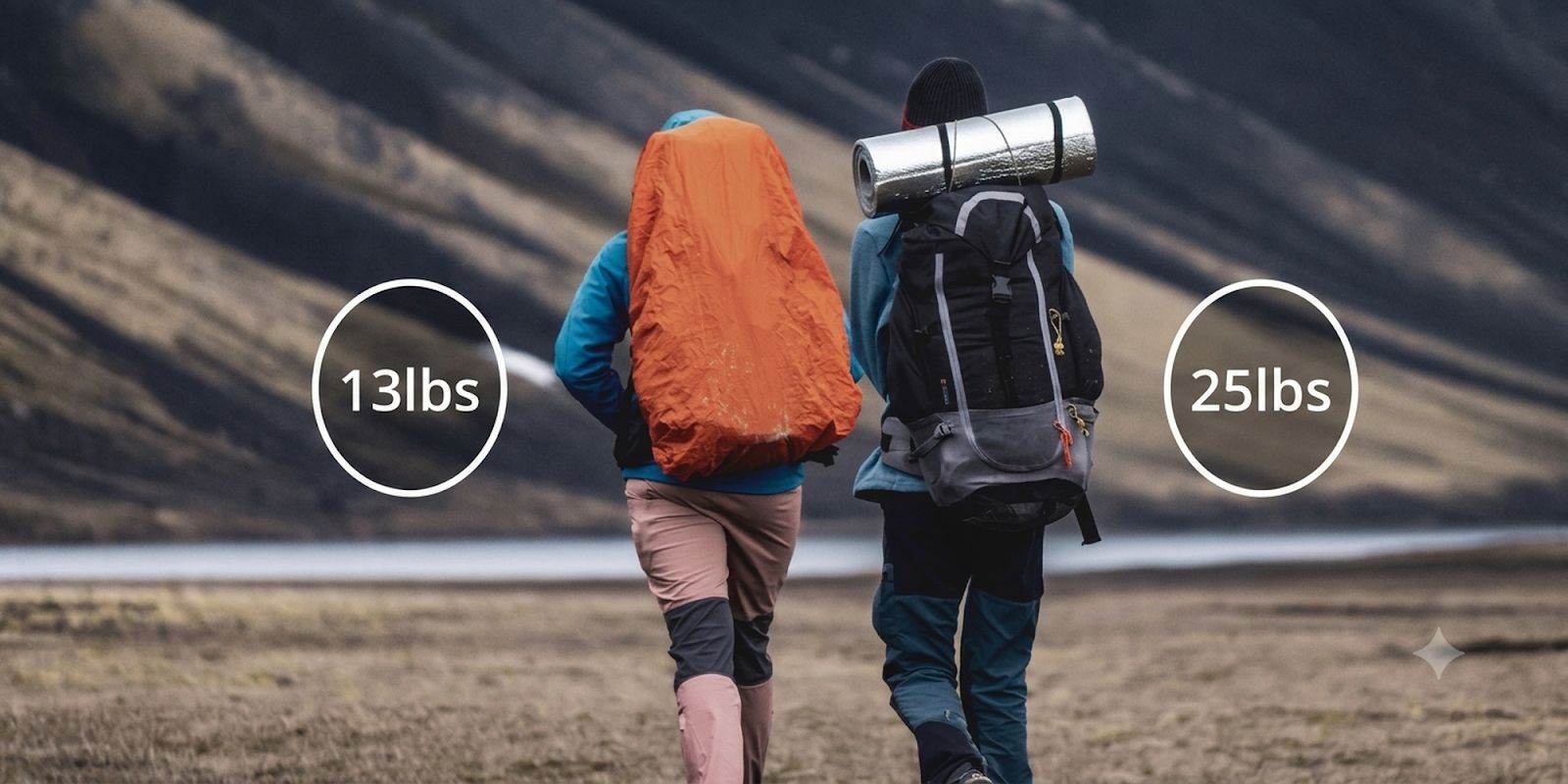
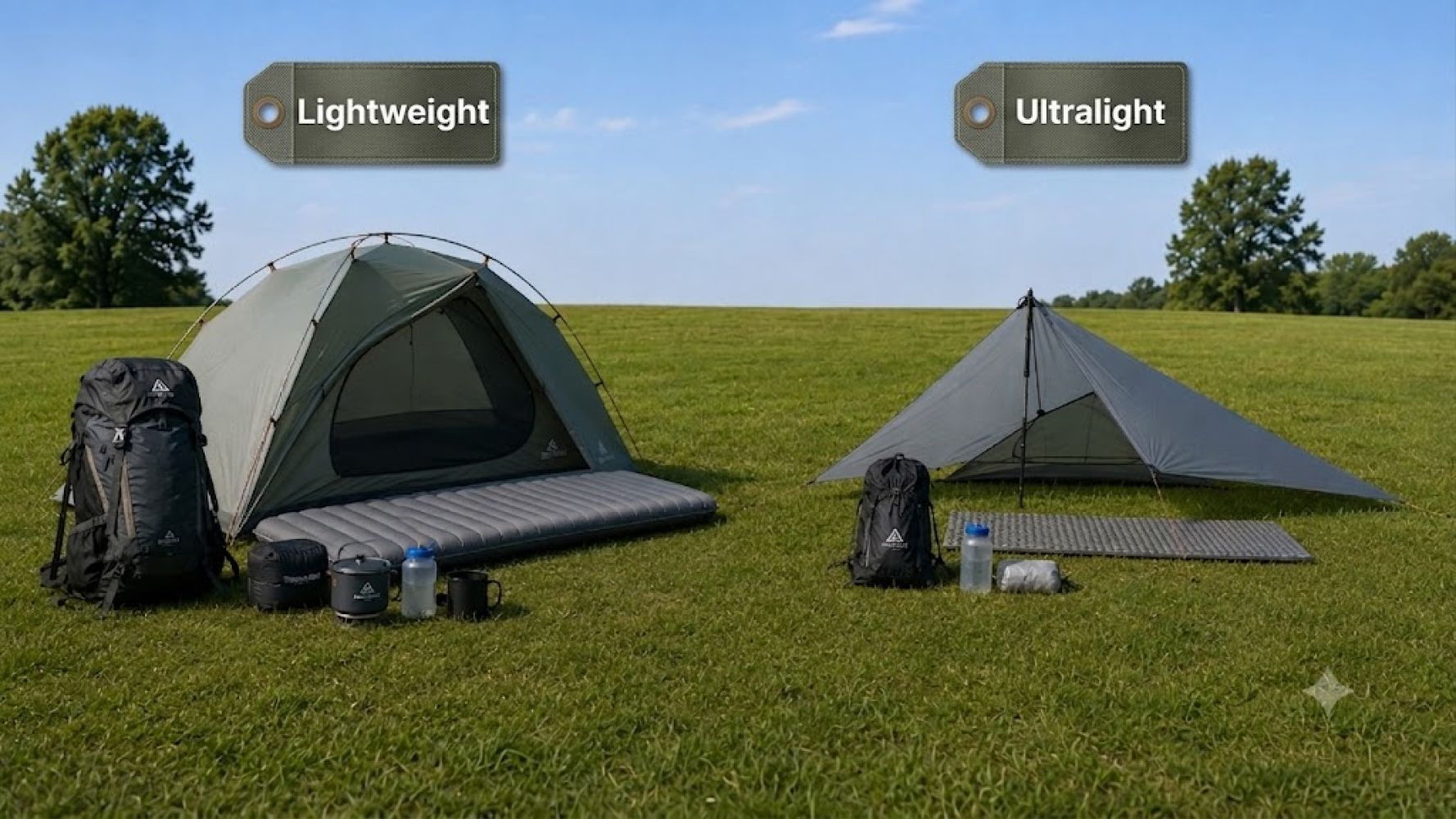
Lightweight backpacking reduces obvious excess while keeping a relatively familiar gear system; ultralight backpacking applies tighter weight discipline to the whole kit and often accepts greater tradeoffs in space, durability, redundancy, or technique. There is no official universal cutoff. The better choice is the lightest complete system that fits the route, conditions, skills, comfort, and budget.
The distinction is useful only if it improves decisions. A base-weight label cannot tell you whether a kit is warm enough, whether the shelter is suitable, or whether the starting load includes a long water carry.
What Is Lightweight Backpacking?
Lightweight backpacking is a broad approach to reducing unnecessary weight without designing every system around the lowest possible number. It often keeps familiar framed packs, double-wall shelters, full-length sleep systems, and deliberate comfort items while trimming duplication and oversized equipment.
The REI ultralight gear guide presents sub-20-pound base weight as one common lightweight convention. It also says there is no official definition, so the number should be attributed rather than treated as a rule.
What Is Ultralight Backpacking?
Ultralight backpacking examines the whole system: shelter, sleep, pack, clothing, kitchen, water, electronics, hygiene, and small items. Lower weight may come from simpler designs, fewer redundancies, multi-purpose items, smaller volume, or skills that replace equipment.
REI presents sub-10-pound base weight as a commonly used ultralight convention, while other educators use different boundaries. That disagreement is evidence that ultralight is a planning approach before it is a number.
Ultralight vs Lightweight: Key Differences
| Factor | Lightweight | Ultralight | What matters more than the label |
|---|---|---|---|
| Weight goal | Remove obvious excess | Optimize the complete system | Starting load with food and water |
| Redundancy | More familiar backups | More selective, risk-based backup | Consequence of failure and remoteness |
| Comfort | Often preserves more camp comfort | Often prioritizes walking comfort | Personal priorities and trip style |
| Cost | Can use existing gear | Premium materials can raise cost, but free cuts still matter | Value of the problem solved |
| Durability | Often accepts heavier fabrics/components | May use lighter materials or simpler construction | Expected use, care, and repair |
| Skill | Familiar systems may need less adaptation | Some shelters, packs, and cooking styles need more practice | Tested competence |
| Conditions | Broad use can be easier to cover | Highly optimized kits may have narrower envelopes | Forecast, terrain, water, and local rules |
Neither column is automatically safer or better. A poorly planned lightweight kit can carry unnecessary weight, and a poorly planned ultralight kit can remove needed capability.
How Do Base-Weight Cutoffs Work?
Base weight usually excludes food, water, and fuel and tracks worn items separately. This is helpful for comparing durable gear, but it can hide the heaviest route-dependent parts of the starting load.
| Term | Common use | Excludes | Important caveat |
|---|---|---|---|
| Base weight | Relatively fixed carried gear | Food, water, fuel; usually worn items | Does not equal trailhead weight |
| Consumables | Items used during the trip | — | Water and food can dominate the load |
| Worn weight | Clothing and items worn or carried outside the pack | — | Still affects the body even if absent from base weight |
| Big Three/Big Four | Heaviest carry, shelter, and sleep systems | Varies by convention | Define what is included before comparing |
The NPS Ten Essentials remains relevant at every label. A threshold does not justify deleting route-appropriate navigation, illumination, weather protection, first aid, repair, shelter, food, or water planning.
Which Approach Is Better for Beginners?
Most beginners benefit from a lightweight-to-ultralight progression:
- Choose a simple trip.
- Weigh the current complete kit.
- Remove duplicates and oversized consumables.
- Test shelter, sleep, water, and navigation systems.
- Replace gear only where it solves a known problem.
- Repeat with a more demanding trip only after the system is familiar.
This approach preserves feedback. Copying a very low base weight can hide whether success came from skill, tolerance, favorable weather, or a route with frequent resupply.
How to Move From Lightweight to Ultralight
Focus first on the systems that control both weight and volume. Simplify the shelter and sleep system only within their safe use case, then choose the backpack that fits the resulting load. Review clothing and kitchen duplication, right-size electronics, and test every change.
Stop when further reductions cost more comfort, reliability, or flexibility than they return. Ultralight is a tool for better trips, not an obligation.
A practical next step is the beginner ultralight framework; if the final kit supports it, compare ultralight backpacks without treating lower pack weight as the only criterion.
FAQ
Is there an official ultralight base-weight limit?
No. Common sources use ranges such as sub-10 pounds, but they are conventions. Always attribute the definition and keep the trip context visible.
Is lightweight backpacking safer than ultralight backpacking?
Not automatically. Safety depends on route planning, weather, water, local rules, skills, and whether the kit retains the required systems.
Does ultralight gear cost more?
It can, especially with premium materials, but many reductions are free: remove duplication, repackage consumables, share group gear, and stop carrying route-irrelevant items.
Is ultralight backpacking less comfortable?
It can reduce camp space or convenience, but it may improve comfort while walking. The balance depends on which comfort matters most to the user and trip.
Should beginners aim for a specific base weight?
Beginners should first build a complete, tested kit and reduce clear excess. A sourced convention can be a reference, not a pass/fail target.
Can a winter or desert kit be ultralight?
Labels can still be used, but added insulation, water capacity, food storage, or weather protection may raise the load. Conditions should control the kit.
Related Guides
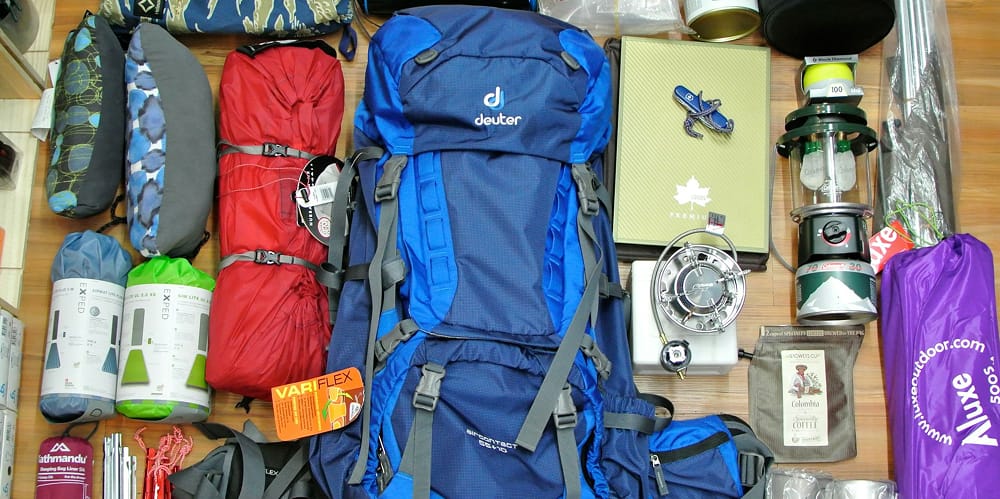
Base Weight for Backpacking: How Light Should Your Pack Be?
Understand backpacking base weight, how to calculate it, and how light your pack should be before food, water, and fuel.
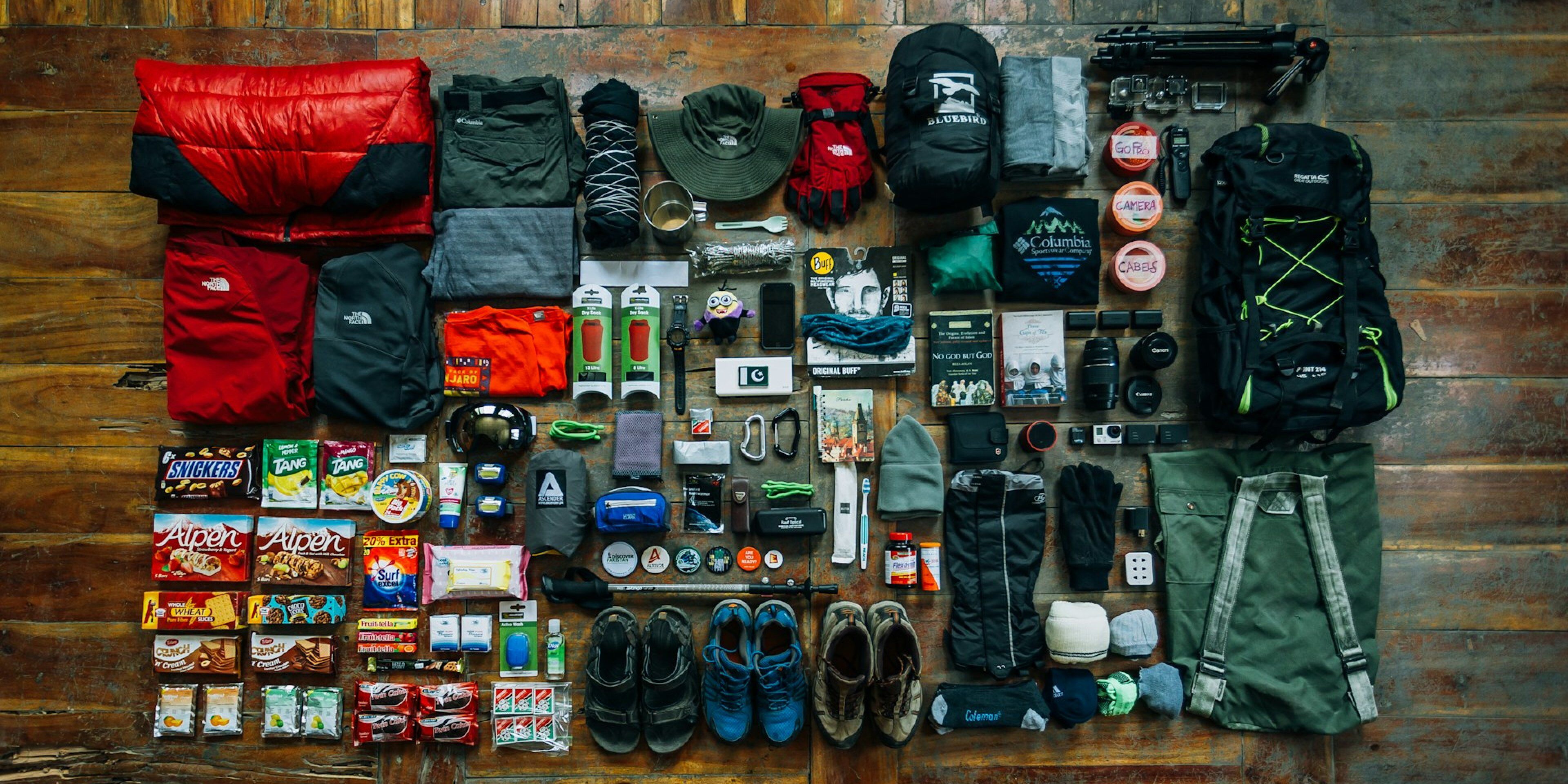
Ultralight Backpacking Checklist: What to Pack and What to Skip
Build a lighter backpacking kit with a practical checklist for essential gear, optional items, and weight-saving cuts that do not compromise safety.
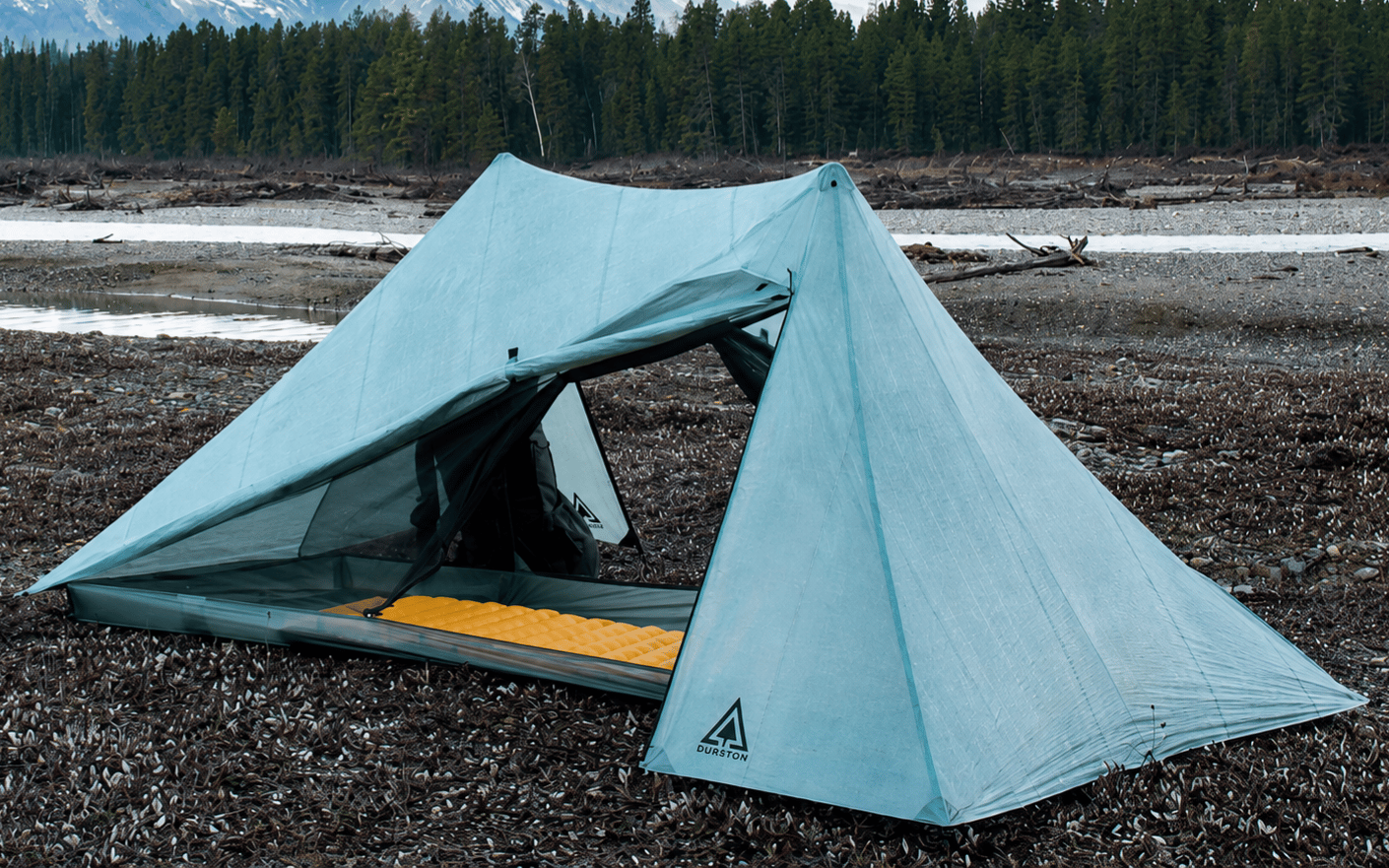
Best Ultralight Backpacking Tents
Compare ultralight backpacking tents for thru-hiking, solo trips, livable two-person space, trekking-pole setup, weather protection, and packed weight.
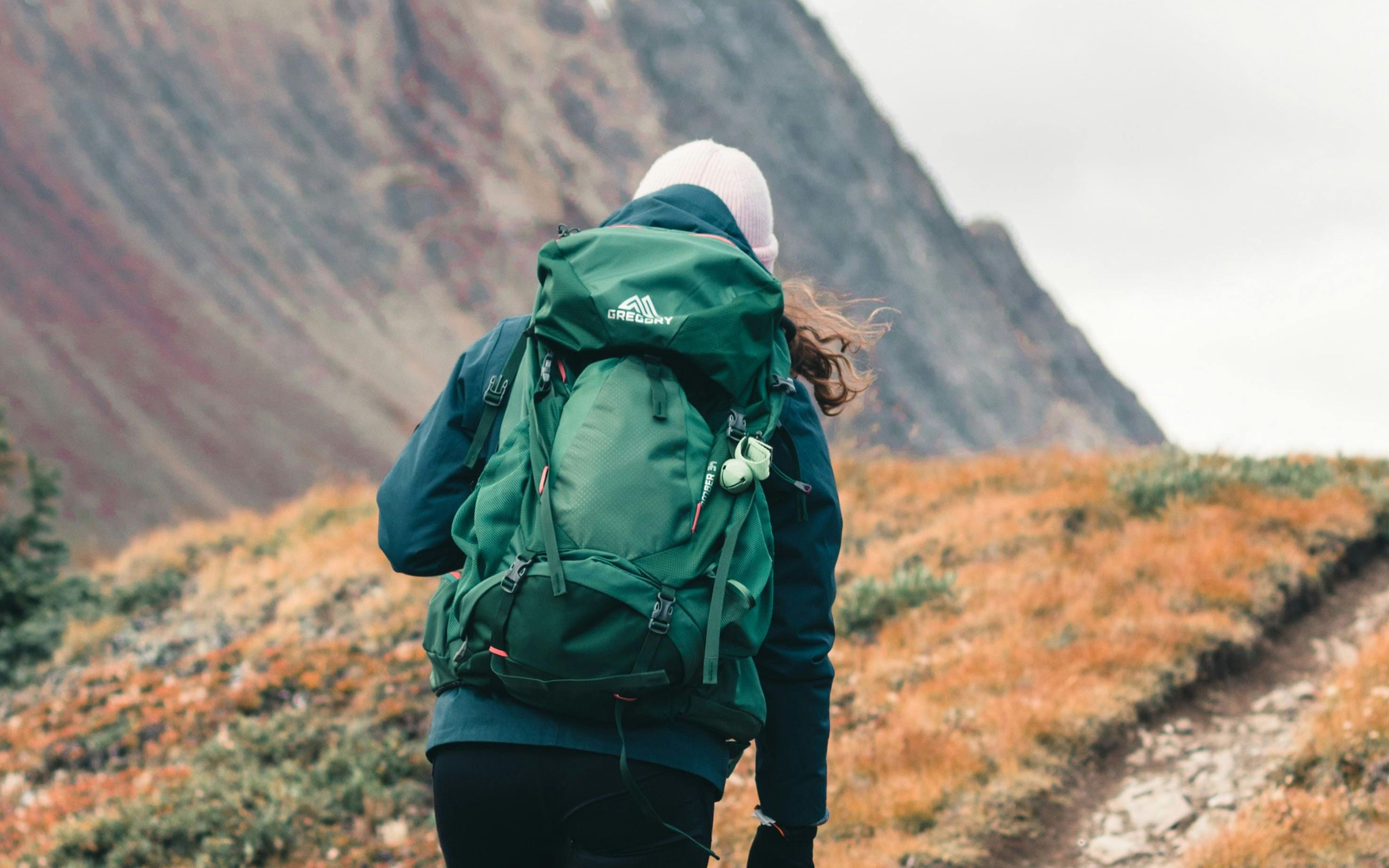
Best Backpacking Backpacks
Compare backpacking backpacks for overnight and multiday trips by capacity, fit, suspension, hipbelt comfort, ventilation, pockets, weight, and durability.
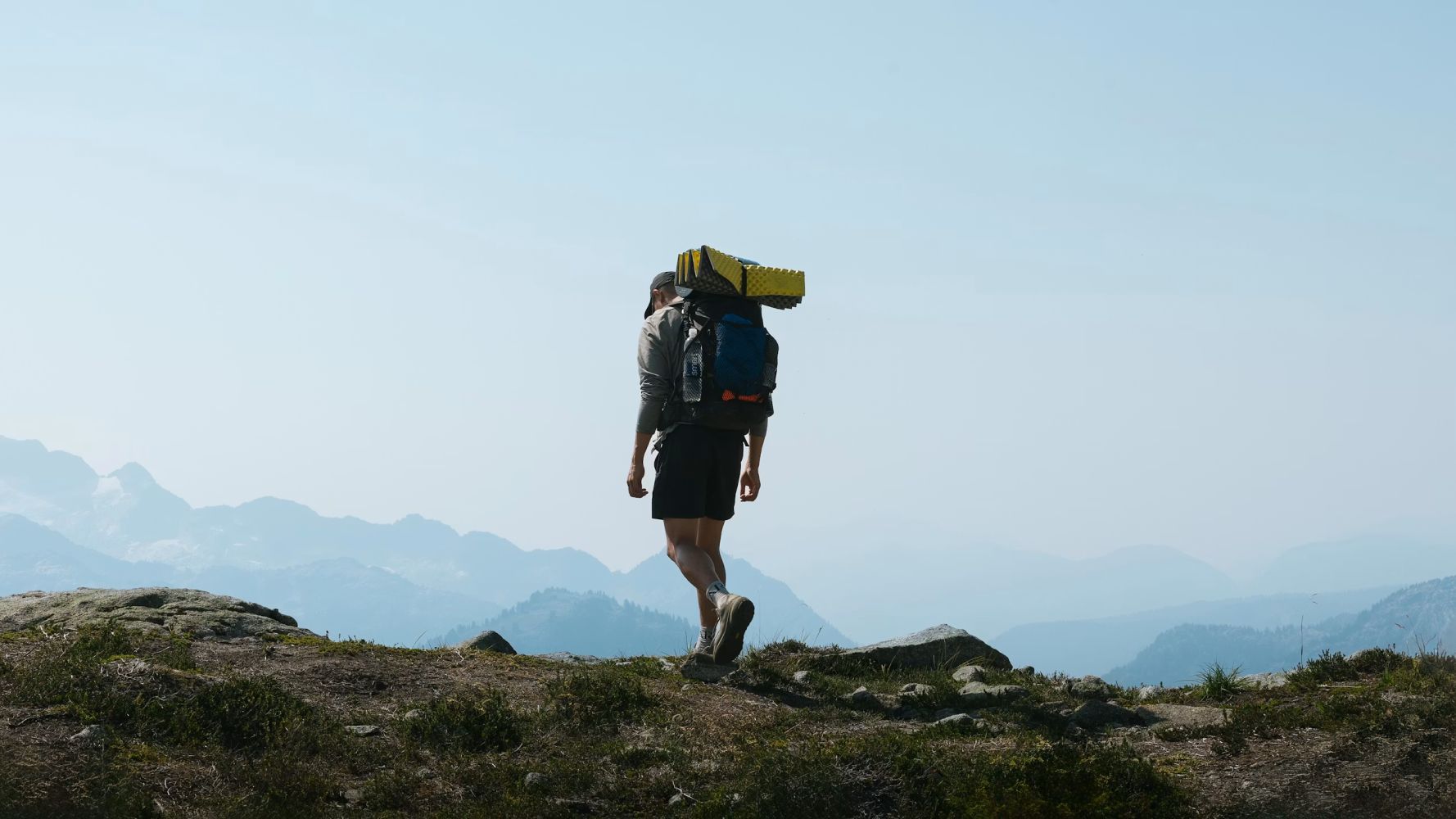
Ultralight Backpacking for Beginners: A Practical Starter Guide
Build a lighter beginner backpacking kit with a safe, step-by-step approach that starts with trip needs and your current gear.
Common Ultralight Backpacking Mistakes Beginners Make
Avoid common ultralight backpacking mistakes by planning the trip first, protecting safety margin, checking system compatibility, and testing changes locally.