
Common Ultralight Backpacking Mistakes Beginners Make
Avoid common ultralight backpacking mistakes by planning the trip first, protecting safety margin, checking system compatibility, and testing changes locally.
Draft status: Step 9 completed on 2026-07-21. This is article prose only, not the final structured blog object. Community examples are generalized; safety corrections rely on NPS and REI guidance.
The most common ultralight backpacking mistakes are chasing a target weight, cutting safety margin, buying a backpack before the rest of the kit, mixing incompatible systems, ignoring fit and forecast, underplanning food or water, choosing fragile gear without a care plan, copying another hiker's loadout, and skipping a low-risk shakedown trip.
Most of these mistakes come from optimizing one number before understanding the whole trip. A lighter item can still make the complete system heavier, less comfortable, or harder to use.
Mistake 1: Chasing a Target Weight Instead of a Trip
Base weight is a useful measurement, not a destination. A cold trip, long dry carry, required bear-resistant container, or medical need can raise the load for good reasons.
Better decision: define route, terrain, weather, water, alerts, and local rules first. The NPS Hike Smart guidance supports this trip-first sequence.
Mistake 2: Cutting Safety Margin as “Dead Weight”
Emergency items are often unused because the trip went well. That does not make the system unnecessary. The NPS Ten Essentials covers navigation, illumination, sun protection, first aid, repair, fire, shelter, food, water, and clothing systems.
Better decision: customize and repackage safety gear, but do not remove an entire route-appropriate capability to cross a weight threshold.
Mistake 3: Buying Before Auditing
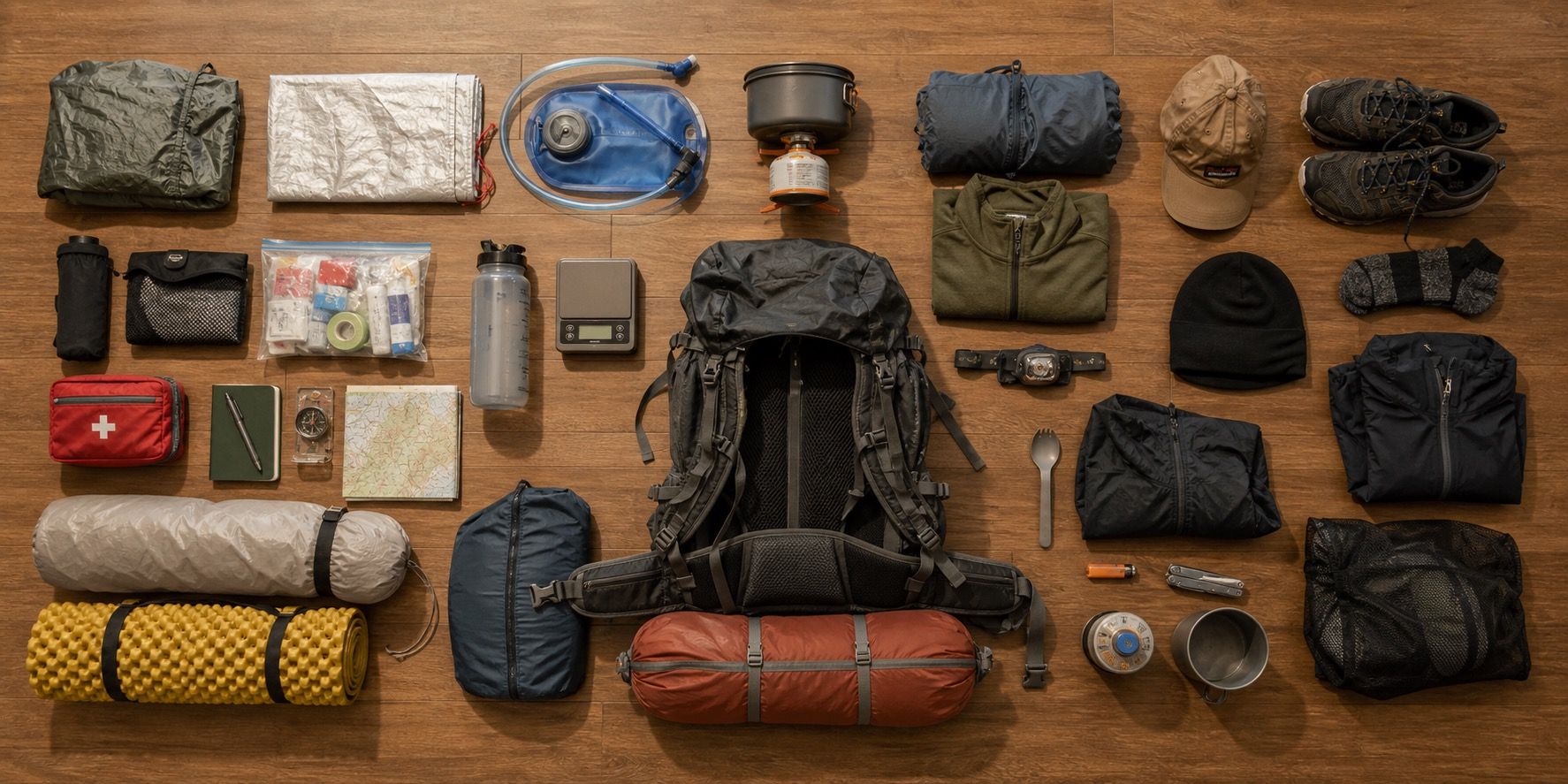
Replacing a mug or buying a premium accessory can feel productive while pounds remain in duplicate clothing, oversized packaging, extra cookware, or an unsuitable shelter.
Better decision: weigh every item, mark duplicates, and record what is used. Buy only after the audit identifies a repeated problem.
If you are still building the framework, start with ultralight backpacking for beginners before purchasing replacements.
Mistake 4: Buying the Backpack First
The backpack must carry the volume and starting weight created by shelter, sleep, food, water, and required storage. Buying a small or lightly supported pack first can force bad compromises.
Better decision: stabilize the bulky systems, then test-pack them. The REI backpack guide ties capacity to actual load and trip needs and emphasizes correct torso fit.
Mistake 5: Mixing Incompatible Systems
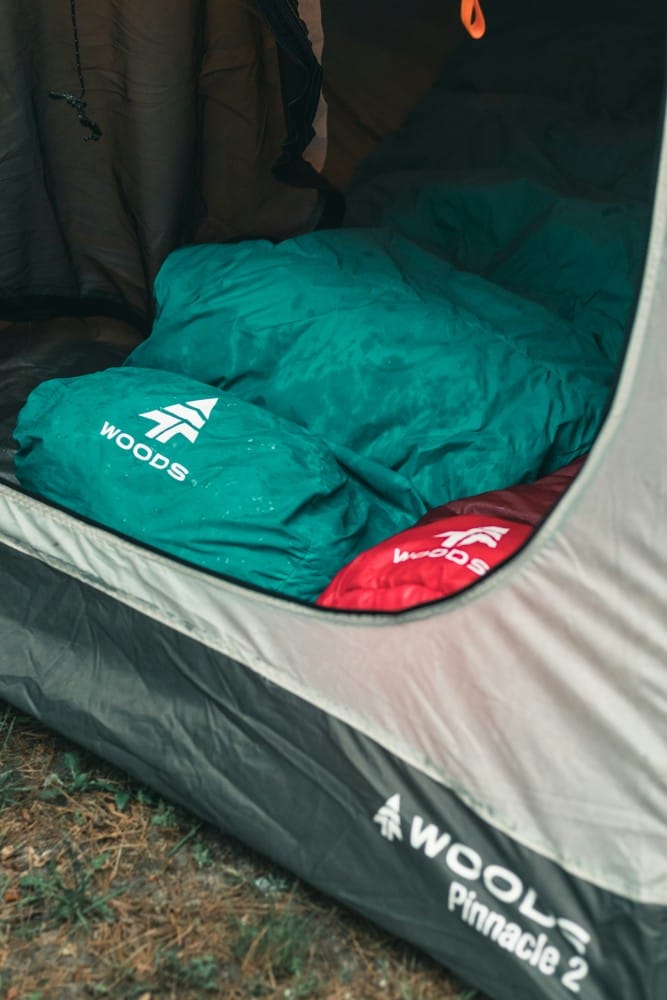
Ultralight systems interact. A tapered tent may not fit two wide pads. A quilt can feel drafty when pad attachment and sizing are wrong. A trekking-pole shelter needs suitable poles, stakes, site, and pitch skill. A frameless pack may feel poor under a heavy starting load.
Better decision: evaluate fit, complete components, and failure modes at the system level rather than buying each item from an isolated “lightest” list.
Mistake 6: Ignoring Personal Fit and Comfort
A gear list from someone with different body dimensions, sleeping style, pace, climate, or comfort tolerance is a starting point, not a prescription.
Better decision: try on the pack with realistic weight, verify pad and shelter dimensions, and test the sleep system at conservative conditions close to home.
Mistake 7: Underplanning Food, Water, and Fuel
Consumables are excluded from base weight, but they often dominate the starting load. Beginner videos and community shakedowns repeatedly show excess water carried without source research and food chosen without considering weight, preparation, or appetite.
Better decision: map reliable water, plan meals and boils, and match capacity to the itinerary. Do not replace route planning with one universal quantity.
Mistake 8: Treating Lighter Materials as Care-Free
Some lighter products require more site selection, tensioning, storage, cleaning, or repair attention. Material name or denier alone does not predict the complete useful life.
Better decision: read current manufacturer care instructions, carry a suitable repair kit, and decide whether the maintenance tradeoff fits your use.
Mistake 9: Copying Another Hikers Kit
Popular lists may assume strong skills, frequent resupply, mild weather, a narrow body size, or a willingness to accept cramped sleep and simple meals.
Better decision: copy the questions and evaluation process, not the exact answer.
Mistake 10: Skipping the Shakedown Trip
The first hard trip is the wrong place to discover that the shelter pitch is incomplete, the pack rubs, the pad leaks, the stove is prohibited, or the sleep system is too cold.
Better decision: use a short overnight with manageable weather and an easy bailout. Change one system at a time.
| Mistake | Better decision |
|---|---|
| Chase a number | Plan the trip and complete systems first |
| Cut essentials | Customize and lighten, do not delete capability |
| Buy before weighing | Audit free savings first |
| Buy pack first | Choose it after load and volume stabilize |
| Mix isolated gear picks | Check compatibility and complete components |
| Copy another kit | Adapt to body, route, skill, and comfort |
| Guess consumables | Plan water, food, fuel, and capacity from itinerary |
| Skip testing | Run a low-risk overnight and record results |
FAQ
What should I never remove to save weight?
Do not remove complete navigation, illumination, weather, water, first-aid, repair, emergency-shelter, food, or required-storage systems. Exact items should still be tailored to the route.
Should I buy a lighter backpack first?
Usually not. Finalize shelter, sleep, clothing, food storage, and water capacity so the required volume and load support are known.
Is a frameless backpack a beginner mistake?
No. It becomes a mistake when the actual load is too heavy or bulky for the user's comfort, fit, and the pack's design.
Is unused gear always unnecessary?
No. Separate unused optional items from unused emergency or repair equipment. The latter may be deliberate margin.
How many shakedown trips do I need?
There is no fixed number. Test until shelter, sleep, pack, water, food, navigation, and weather systems are familiar under conditions representative of the planned route.
Is copying an expert gear list useful?
It can reveal categories and tradeoffs, but every item must be rechecked against your body, route, forecast, skills, and risk tolerance.
Related Guides
How to Reduce Backpacking Pack Weight Without Sacrificing Safety
Lower backpacking pack weight with a practical shakedown process that cuts unnecessary items before safety margin.
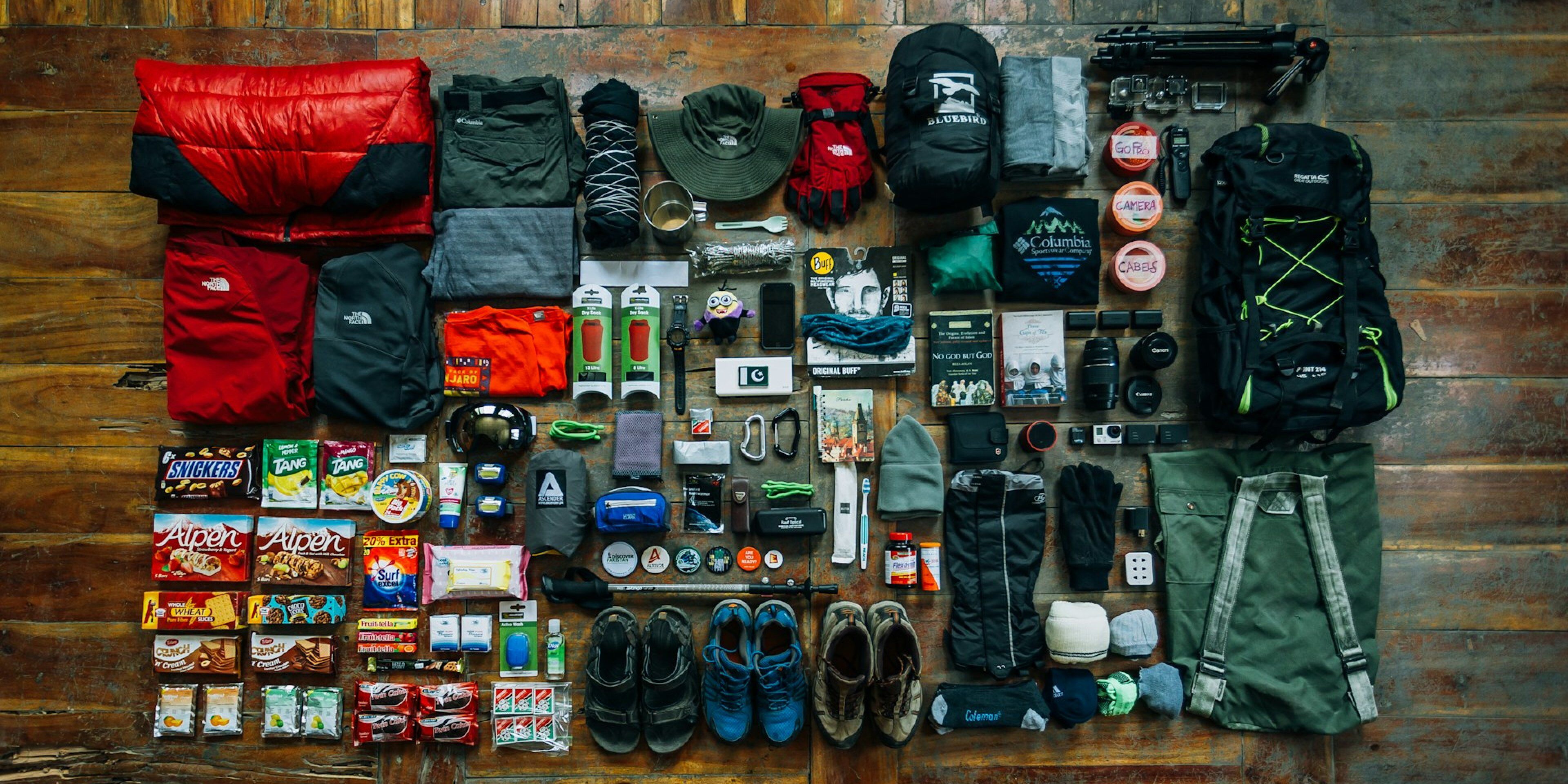
Ultralight Backpacking Checklist: What to Pack and What to Skip
Build a lighter backpacking kit with a practical checklist for essential gear, optional items, and weight-saving cuts that do not compromise safety.
What Size Backpack Do You Need for Backpacking?
Choose a backpacking pack size by trip length, gear bulk, season, food carry, and fit instead of guessing from liters alone.
Best Backpacking Backpacks
Compare backpacking backpacks for overnight and multiday trips by capacity, fit, suspension, hipbelt comfort, ventilation, pockets, weight, and durability.
Ultralight Backpacking for Beginners: A Practical Starter Guide
Build a lighter beginner backpacking kit with a safe, step-by-step approach that starts with trip needs and your current gear.
Ultralight vs Lightweight Backpacking: What's the Difference?
Compare lightweight and ultralight backpacking by system discipline, comfort, cost, durability, skills, and trip-specific safety margin.