
Best Snowshoes
Why You Can Trust Us
- Rankings based on aggregated user data, not personal bias
- Payment never guarantees inclusion
- Updated regularly as new reviews emerge
We may earn from affiliate links at no extra cost to you.
Tubbs Mountaineer
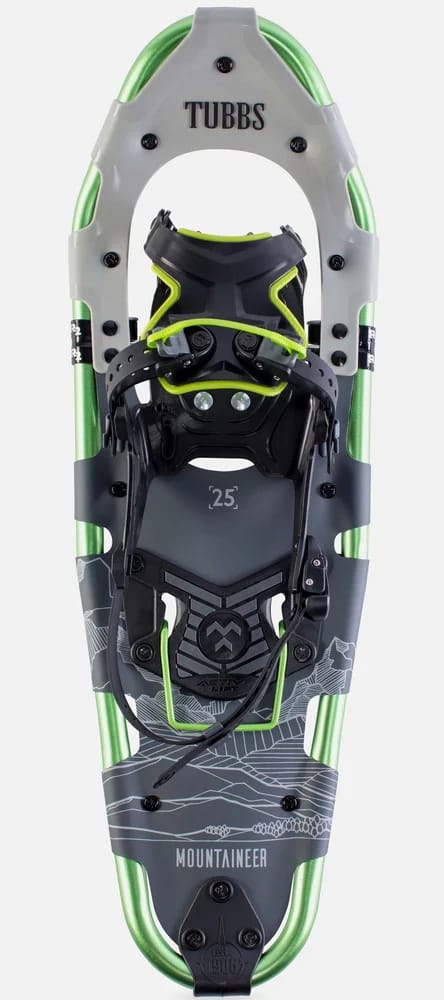
25 in: 120 - 200 lb | 30 in: 170 - 250 lb | 36 in: 220 - 300 lb
25 in, 30 in, 36 in lengths (width not listed)
4 lb 14 oz per pair (25 in)
ActiveFit 2.0
2 (Anaconda toe, Python heel)
Yes (ActiveLift, 19°)
Limited lifetime
25 in: 120 - 200 lb | 30 in: 170 - 250 lb | 36 in: 220 - 300 lb
25 in, 30 in, 36 in lengths (width not listed)
4 lb 14 oz per pair (25 in)
ActiveFit 2.0
2 (Anaconda toe, Python heel)
Yes (ActiveLift, 19°)
Limited lifetime
GOODS
- Aggressive toe and heel crampons give confident grip on steep hills, ice, and frozen lakes and rivers.
- The longer, lower frame helps you ride on top of deep, soft powder instead of sinking in.
- Wide-opening binding and quick-release strap holders make it easy to step in and out, even with gloves on.
BADS
- Fit can vary with your boot and body, so try them on before committing to a pair.
Compare this product with...
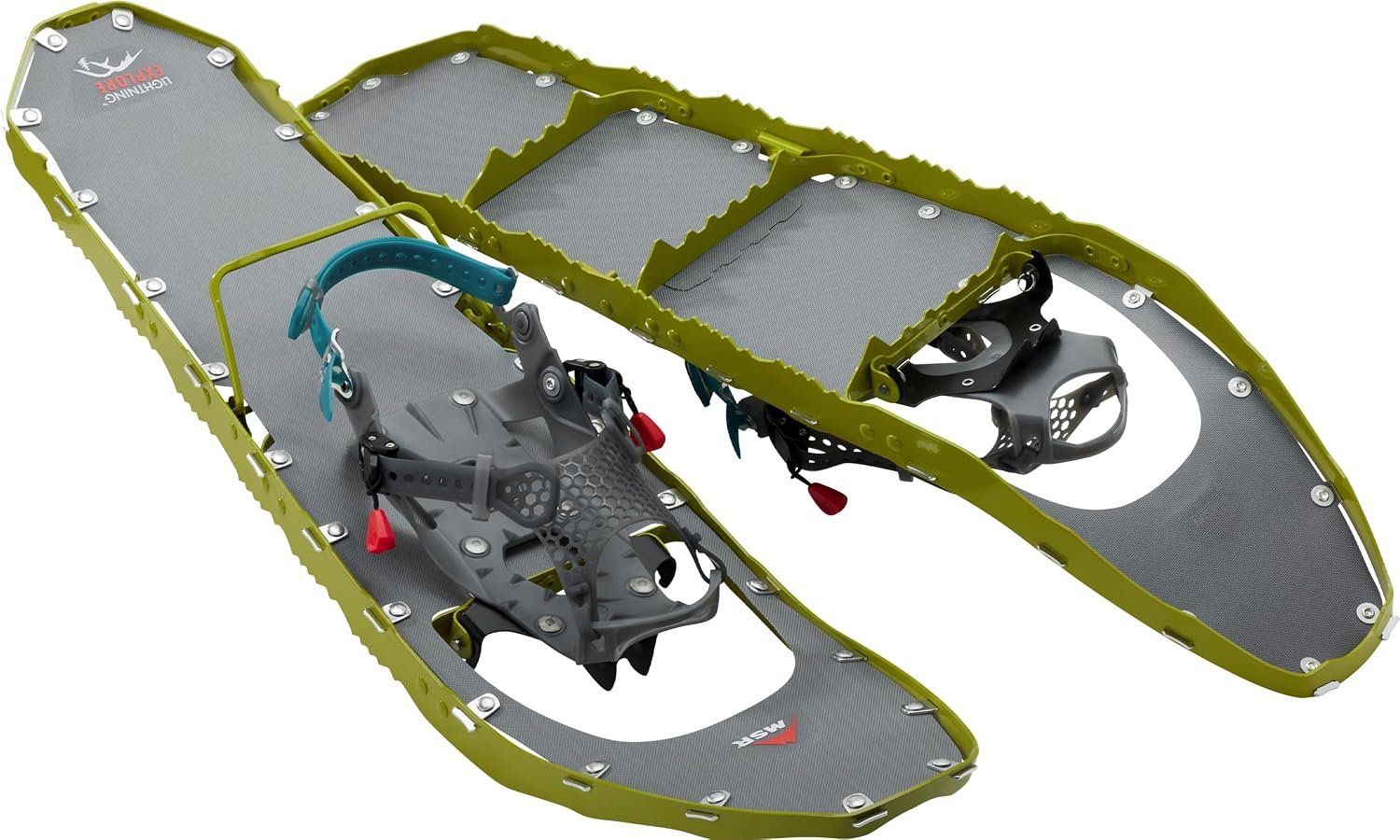
MSR Lightning Explore
22 in: Up to 180 lb
25 in: Up to 220 lb
30 in: Up to 280 lb
22 in: 22 × 8 in
25 in: 25 × 8 in
30 in: 30 × 8 in
22 in: 3 lb 9 oz per pair
25 in: 3 lb 12 oz per pair
30 in: 4 lb 5 oz per pair
Paradigm
Not specified
Yes (Ergo Televator)
3 years limited
22 in: Up to 180 lb
25 in: Up to 220 lb
30 in: Up to 280 lb
22 in: 22 × 8 in
25 in: 25 × 8 in
30 in: 30 × 8 in
22 in: 3 lb 9 oz per pair
25 in: 3 lb 12 oz per pair
30 in: 4 lb 5 oz per pair
Paradigm
Not specified
Yes (Ergo Televator)
3 years limited
GOODS
- Aggressive perimeter teeth and 360-degree traction bite into ice, packed snow, and steep slopes, with step bars and a heel lift helping on climbs.
- The adjustable binding cradles the foot without pressure points and rotates freely, so the stride stays natural over long days on snow.
- The frame and deck hold up well over rugged use and several years of regular trips.
BADS
- Shorter sizes offer less float in deep snow, and the straps can feel short on larger boots, so check sizing and boot fit before buying.
Compare this product with...
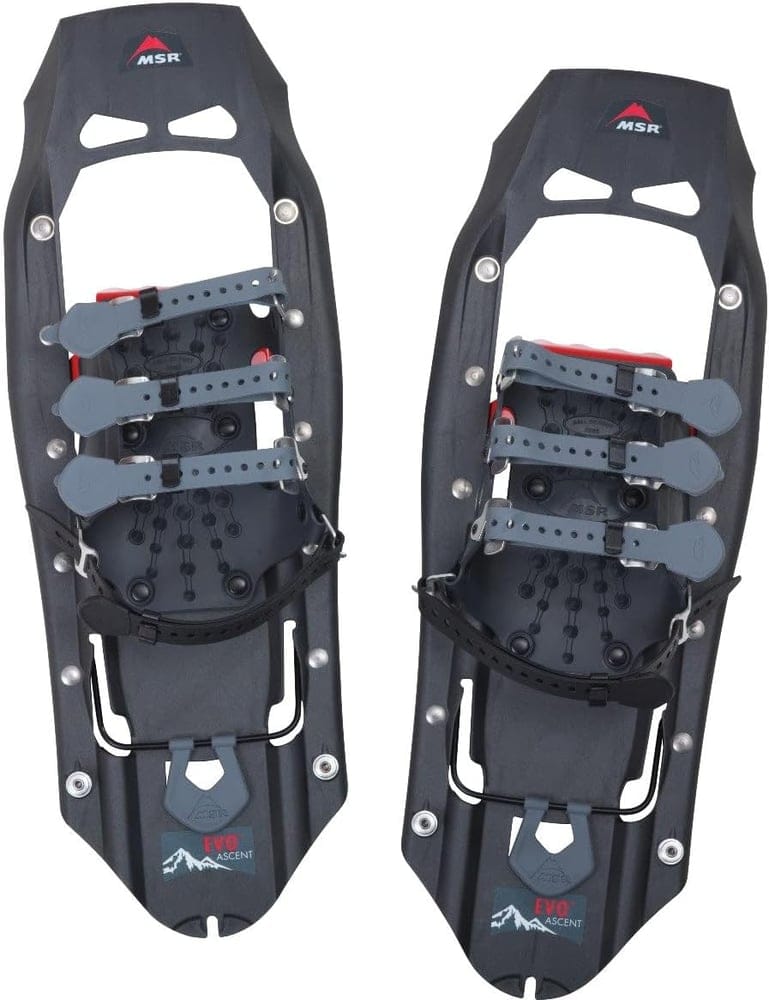
MSR Evo Ascent
Without tails: Up to 180 lb
With tails: Up to 250 lb
22 × 8 in
3 lb 15 oz per pair
TriFit
Not specified
Yes (Televator)
3 years limited
Without tails: Up to 180 lb
With tails: Up to 250 lb
22 × 8 in
3 lb 15 oz per pair
TriFit
Not specified
Yes (Televator)
3 years limited
GOODS
- Steel traction bars grip icy slopes and uneven rock well, which helps on steep climbs and off-trail routes.
- Bindings step in and release quickly, and the Televator is easier to engage than pulling and eases calf strain on inclines.
BADS
- The shoes feel heavy and clunky at first, and early hikes can bring soreness, so expect a short break-in period.
- The base deck offers less float in shallow snow, so lighter hikers may sink without the modular tails.
Compare this product with...
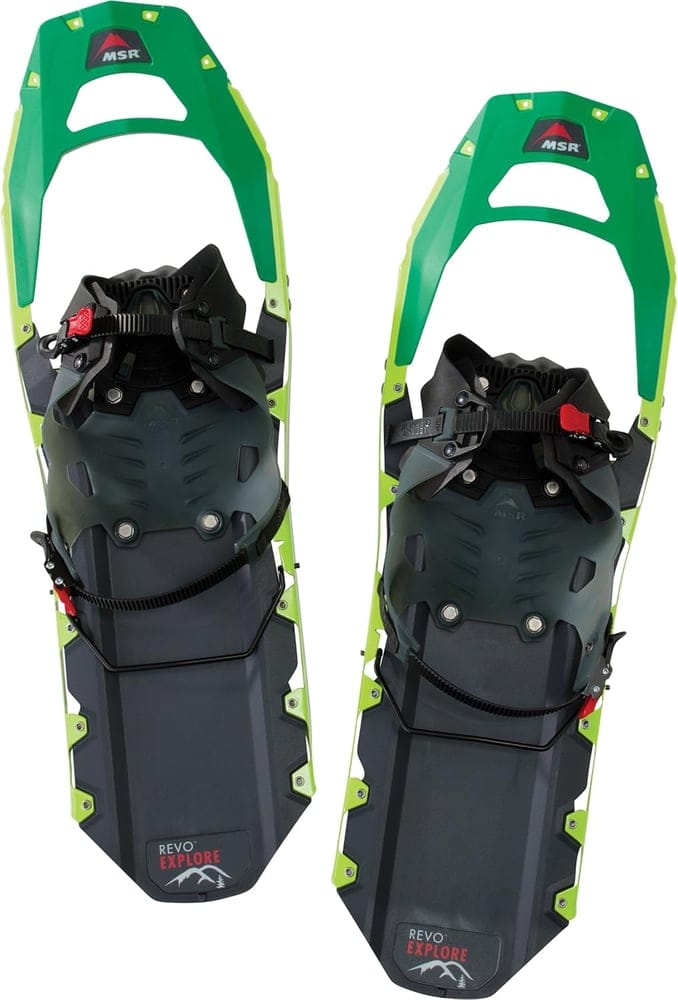
MSR Revo Explore
22 in: Up to 180 lb (up to 250 lb with tails)
25 in: 120 - 220 lb (up to 280 lb with tails)
22 in: 22 × 8 in
25 in: 25 × 8 in
22 in: 3 lb 13 oz per pair
25 in: 4 lb 2 oz per pair
Paradigm
Not specified
Yes (Ergo Televator)
3 years limited
22 in: Up to 180 lb (up to 250 lb with tails)
25 in: 120 - 220 lb (up to 280 lb with tails)
22 in: 22 × 8 in
25 in: 25 × 8 in
22 in: 3 lb 13 oz per pair
25 in: 4 lb 2 oz per pair
Paradigm
Not specified
Yes (Ergo Televator)
3 years limited
GOODS
- Steel traction frames with toe crampons and metal teeth dig into ice and hardpacked trail, and the Ergo Televators and heel risers add secure footing on steep climbs.
- Quick-release red tabs and finger-friendly cinch pulls make the bindings quick to put on and take off, even with gloves on.
BADS
- Ratchet bindings take some getting used to, and they can feel a little slow to fasten.
- The 25-inch size may need added tails for the deepest snow, since its float can fall short there.
Compare this product with...
Tubbs Flex ALP
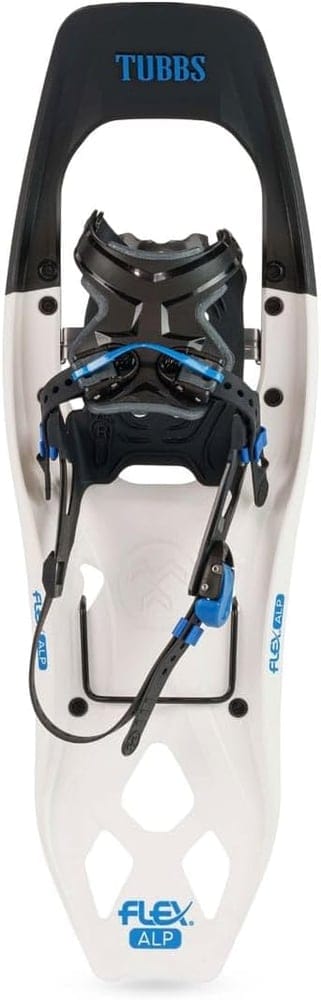
21 in: 80 - 160 lb
25 in: 120 - 200 lb
29 in: Over 190 lb
25 in, 29 in lengths (width not listed)
4 lb 6 oz per pair (men's, claimed)
ActiveFit 2.0
1 (Viper 2.0 toe) + traction rails and tail pins
Yes (ActiveLift, 19°)
3 years limited
21 in: 80 - 160 lb
25 in: 120 - 200 lb
29 in: Over 190 lb
25 in, 29 in lengths (width not listed)
4 lb 6 oz per pair (men's, claimed)
ActiveFit 2.0
1 (Viper 2.0 toe) + traction rails and tail pins
Yes (ActiveLift, 19°)
3 years limited
GOODS
- The aggressive Viper 2.0 toe crampon grips icy, steep slopes without slipping.
- Tail studs and underfoot traction rails help keep footing secure on hard-packed snow.
- The flexing frame and softer heel absorb downhill impact, which can ease fatigue in knees, joints, and calves.
BADS
- Flotation is modest, so heavier wearers with a pack in deep powder may want more float, and these are not built for long, flat walks.
Compare this product with...
Tubbs Frontier
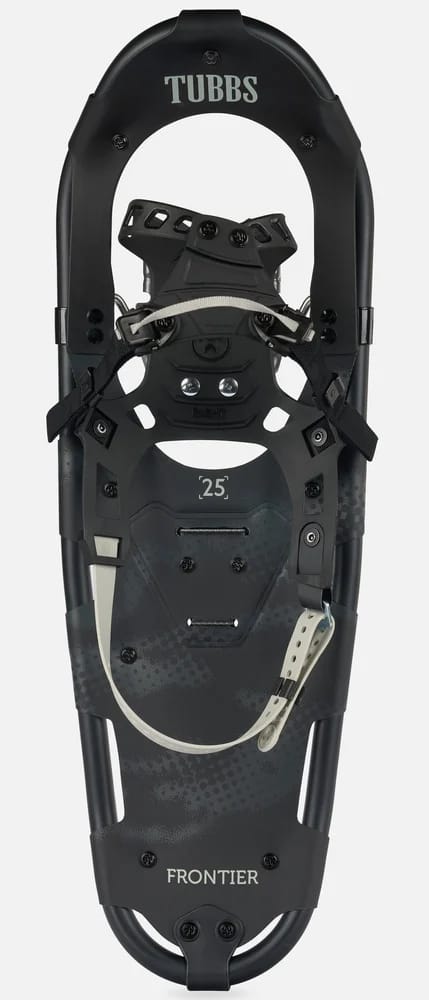
25 in: 120 - 200 lb
30 in: 170 - 250 lb
36 in: 220 - 300 lb
25 in, 30 in, 36 in lengths (width not listed)
3 lb 14.4 oz per pair (25 in)
180 EZ
2 (recreational toe and heel)
No
1 year limited
25 in: 120 - 200 lb
30 in: 170 - 250 lb
36 in: 220 - 300 lb
25 in, 30 in, 36 in lengths (width not listed)
3 lb 14.4 oz per pair (25 in)
180 EZ
2 (recreational toe and heel)
No
1 year limited
GOODS
- Ice cleats and an angled underside grip help hold traction on ice and hills, and keep you from sliding backward.
- Flotation keeps the shoe sinking shallow in powdery and deep snow, while boots sink much deeper.
- Bindings are quick to put on and take off, with easily adjusted straps.
BADS
- Comfort is mixed: the shoes do not feel heavy on the feet, but they are not a clear standout, so try them on before long trips.
Compare this product with...
MSR Lightning Ascent
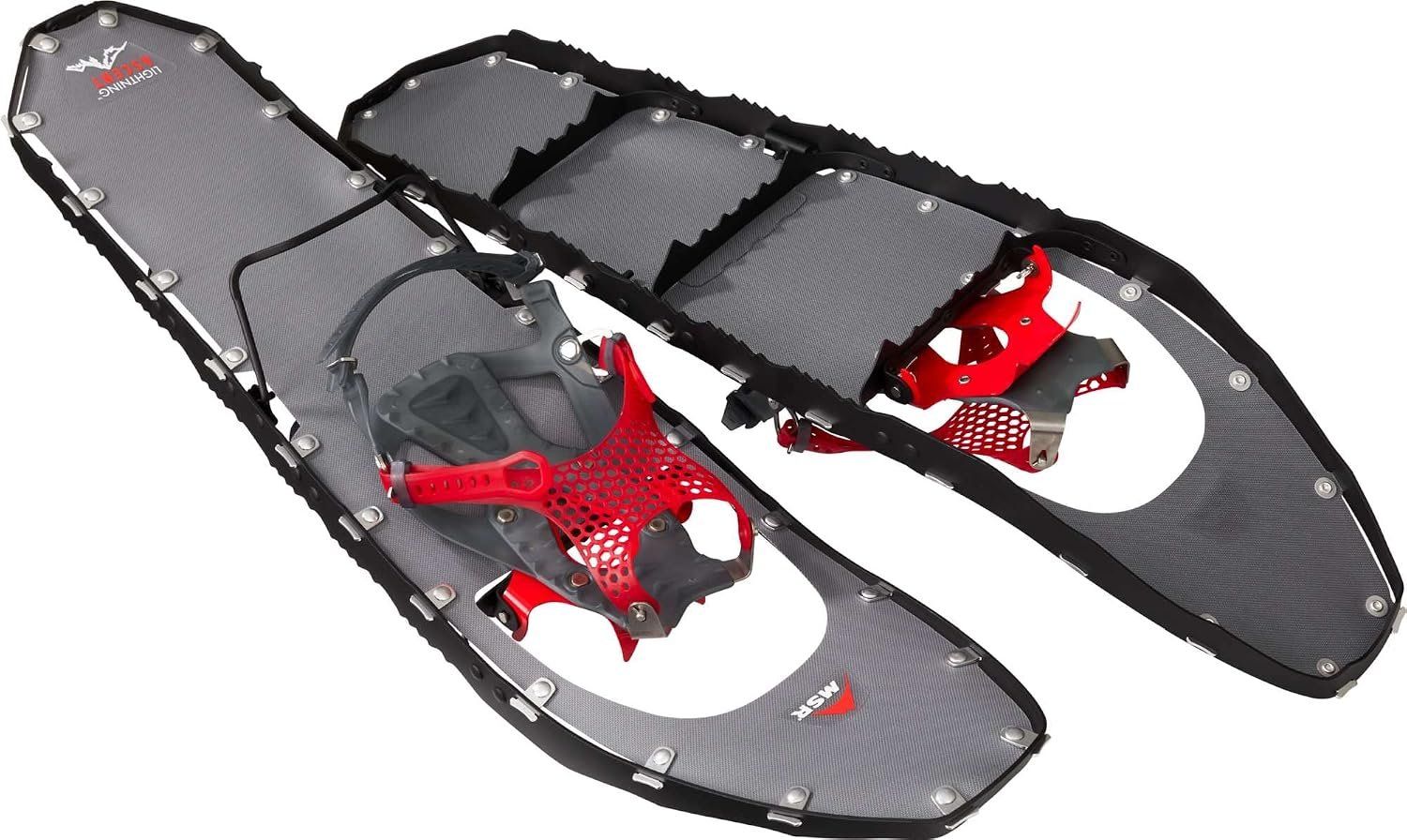
22 in: Up to 180 lb
25 in: 120 - 220 lb
30 in: 150 - 280 lb
22 in: 22 × 8 in
25 in: 25 × 8 in
30 in: 30 × 8 in
22 in: 4 lb 2 oz per pair
25 in: 4 lb 5 oz per pair
30 in: 4 lb 14 oz per pair
Paragon
Not specified
Yes (Ergo Televator)
3 years limited
22 in: Up to 180 lb
25 in: 120 - 220 lb
30 in: 150 - 280 lb
22 in: 22 × 8 in
25 in: 25 × 8 in
30 in: 30 × 8 in
22 in: 4 lb 2 oz per pair
25 in: 4 lb 5 oz per pair
30 in: 4 lb 14 oz per pair
Paragon
Not specified
Yes (Ergo Televator)
3 years limited
GOODS
- Aggressive 360-degree cramp-on traction with steel teeth that bites into icy, steep snow and keeps you from sliding on downhill slopes.
- Comfortable bindings with no obvious pressure points, plus a Televator heel lift that eases calf and Achilles fatigue on long treks.
BADS
- Heels can shift and need re-hooking, and the flexible bottom can keep the snowshoe from sitting at the correct angle on traverses.
- Durability is mixed: sharp sticks can puncture the deck, and cold-weather performance of the material is an open question.
Compare this product with...
L.L.Bean Women's Winter Walker
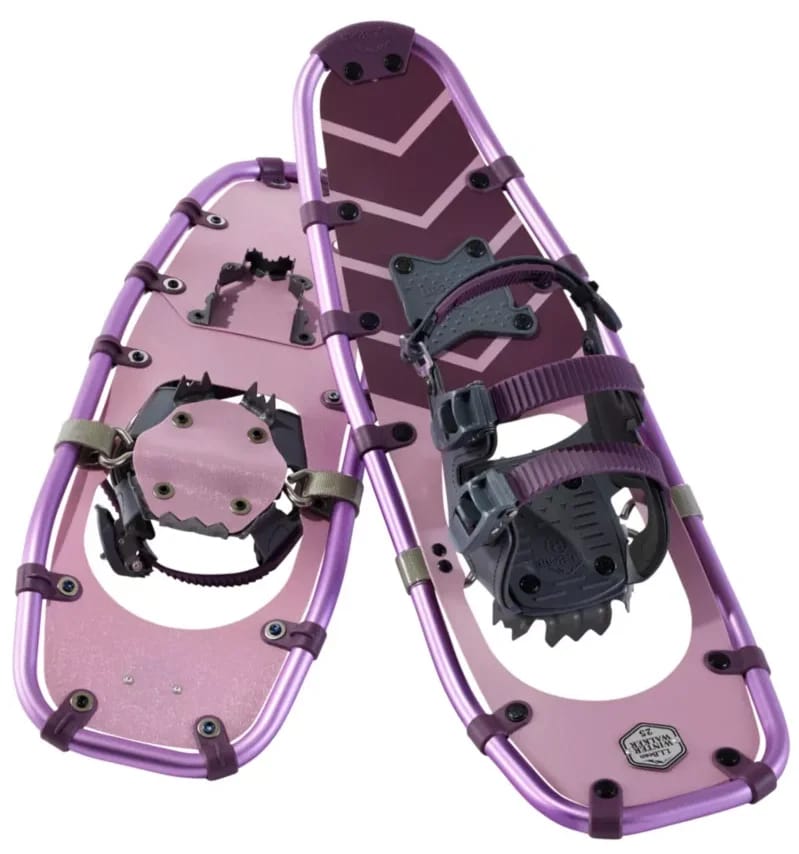
21 in: 80 - 150 lb
25 in: 120 - 200 lb
30 in: 170 - 250 lb
25 in: 25 × 8 in
Not specified
Ratcheting
Not specified
Yes (25 in model)
Not specified
21 in: 80 - 150 lb
25 in: 120 - 200 lb
30 in: 170 - 250 lb
25 in: 25 × 8 in
Not specified
Ratcheting
Not specified
Yes (25 in model)
Not specified
GOODS
- Bottom grippers bite better than cheaper shoes and resist sliding on ice.
- Ratchet straps and a quick-release lever make getting on and off easy, even with gloves.
BADS
- The back strap can be fiddly to adjust.
- A plastic clip instead of metal raises doubts about long-term durability.
Compare this product with...
TSL Symbioz Hyperflex Elite
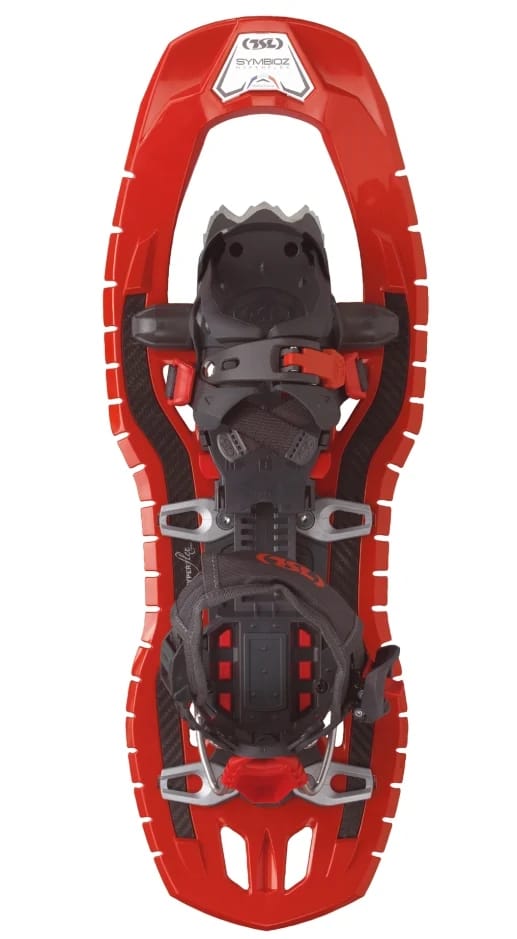
S: 65 - 180 lb
M: 110 - 260 lb
L: 150 - 300 lb
S: 20.5 × 7.5 in
M: 23.5 × 8 in
L: 27 × 8.5 in
S: 4 lb 6 oz per pair
M: 4 lb 10 oz per pair
L: 5 lb 1 oz per pair
Telescopic soft binding
8 per snowshoe (16 per pair)
Yes (Easy Ascent climbing wedge)
2 years
S: 65 - 180 lb
M: 110 - 260 lb
L: 150 - 300 lb
S: 20.5 × 7.5 in
M: 23.5 × 8 in
L: 27 × 8.5 in
S: 4 lb 6 oz per pair
M: 4 lb 10 oz per pair
L: 5 lb 1 oz per pair
Telescopic soft binding
8 per snowshoe (16 per pair)
Yes (Easy Ascent climbing wedge)
2 years
GOODS
- Crampons grip hard snow and ice well, including steep icy slopes.
- Heel lifts make uphill sections more comfortable, and the narrow profile supports a natural stride.
- Bindings adjust quickly with a snap-on design and easy length changes.
BADS
- Flotation is the weak point: in powder they sink about 6 inches and don't keep you on top as well as you'd want.
Compare this product with...
MSR Evo Trail
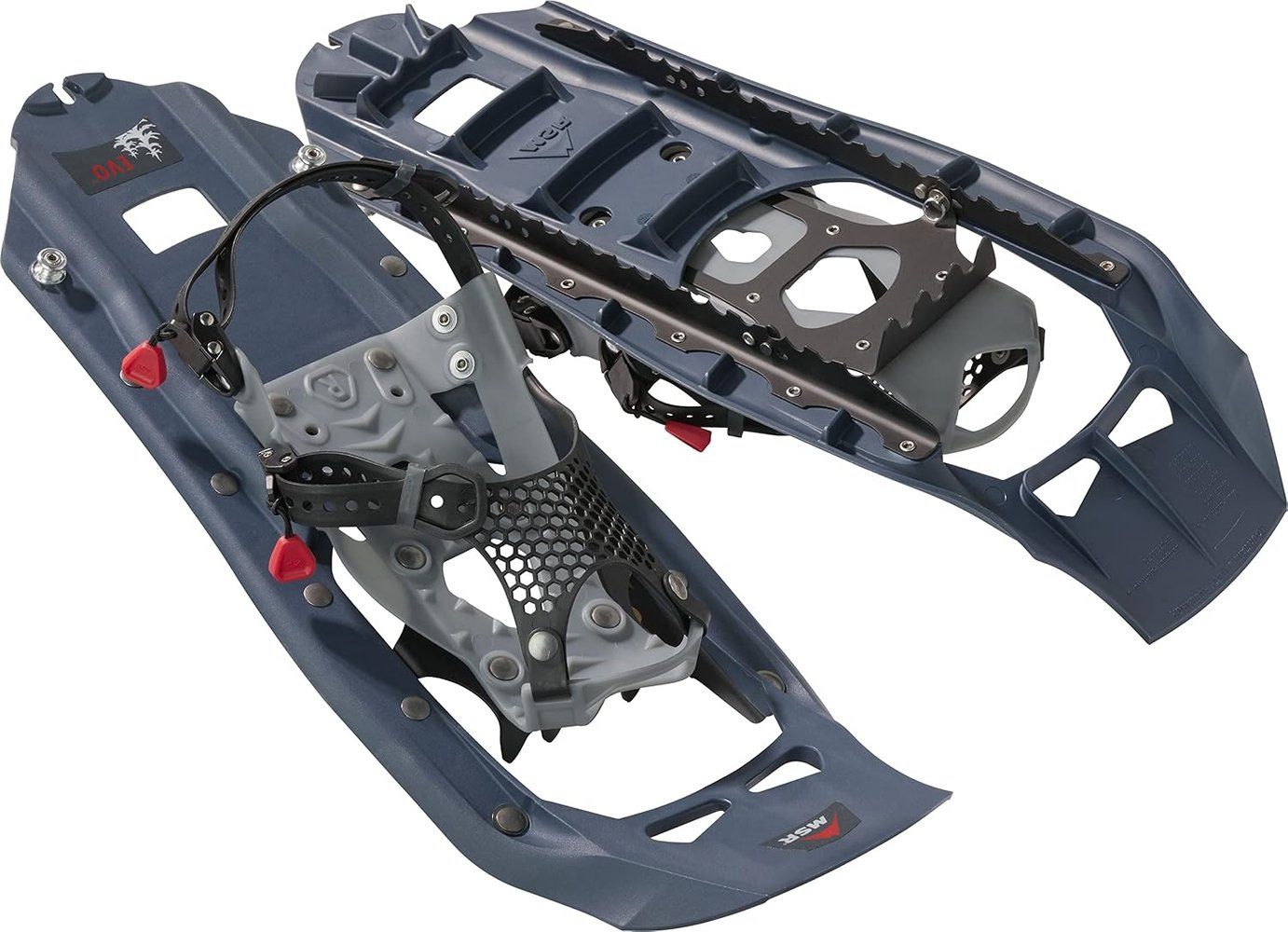
Without tails: Up to 180 lb
With tails: Up to 250 lb
22 × 8 in
3 lb 10 oz per pair
Paraglide
Not specified
No
3 years limited
Without tails: Up to 180 lb
With tails: Up to 250 lb
22 × 8 in
3 lb 10 oz per pair
Paraglide
Not specified
No
3 years limited
GOODS
- Steel crampons and steel side rails give a secure bite on icy, packed, and steep snow, which makes it a solid choice for trail hiking.
- The ratchet binding and horseshoe-style design clip in and release quickly, and the straps are easy to handle with gloves in cold weather.
BADS
- Stability is the weak spot: it is less consistent on uneven or sloped snow, and the bindings can come unhooked during use.
- The boot entry can feel tight, hooks may catch on boots, and there is no heel lift, so check that the fit suits your footwear.
Compare this product with...
Tubbs Wilderness
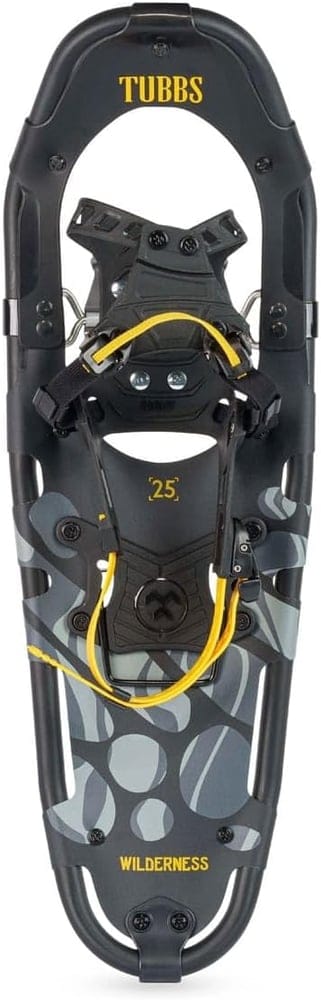
25 in: 120 - 200 lb
30 in: 170 - 250 lb
36 in: 220 - 300 lb
25 in, 30 in, 36 in lengths (30 in model is 9.5 in wide at the front)
4 lb 15.4 oz per pair (30 in)
Quick-Fit
2 (Cobra toe, Tubbs heel)
Yes (ActiveLift, 16°)
Limited lifetime
25 in: 120 - 200 lb
30 in: 170 - 250 lb
36 in: 220 - 300 lb
25 in, 30 in, 36 in lengths (30 in model is 9.5 in wide at the front)
4 lb 15.4 oz per pair (30 in)
Quick-Fit
2 (Cobra toe, Tubbs heel)
Yes (ActiveLift, 16°)
Limited lifetime
GOODS
- Crampons bite hard into icy hills and firm crust, and feet stay put on steep, icy slopes.
- Bindings are quick to step into and release, and they cinch easily even with heavy gloves.
- V2 holds up well over long-term use and is solidly built.
BADS
- The very light build can risk breakage over time
Compare this product with...
Trust & Transparency
- Data-driven rankings from real user reviews
- Affiliate partnerships don't influence our methodology
We may earn commission from links.
Conclusion & Final Verdict:
The Mountaineer is the clearest buy for mixed winter use. It earns the top overall rating of 4.4/5, ties for the highest ease-of-use score at 4.6/5, and pairs aggressive toe and heel crampons with a wide-opening binding that is simple to adjust with gloves on. The Lightning Explore (4.3/5) matches its 4.6/5 traction and has the most comfortable binding in the group, while the Evo Ascent has the best traction at 4.8/5 but feels heavy at first and needs a short break-in.
For deep powder, the Frontier has the highest flotation rating at 4.3/5; skip the Symbioz Hyperflex Elite (2.8/5) and be cautious with the Flex ALP (3.4/5) if you expect soft, deep snow. If stability on sloped or uneven snow matters most, look beyond the Evo Trail (2.8/5) and Lightning Ascent (2.6/5). Whatever you choose, check the maximum load for your weight with a pack and try the bindings with your own boots, because fit varies.
Related Guides
Best Trekking Poles For Hiking And Backpacking
Compare trekking poles for hiking and backpacking by weight, carbon versus aluminum shafts, lock system, grip comfort, packed length, tips, baskets, and durability.
Best Hiking Boots For Men
Compare men's hiking boots by waterproofing, support, traction, cushioning, weight, fit, and load-carrying comfort for day hikes and rougher trails.
Best Hiking Boots For Women
Compare women's hiking boots by waterproof comfort, stability, traction, cushioning, fit, weight, and day-hike versus technical-trail support.

Best Down Jackets For Hiking
Compare hiking down jackets for cold weather, winter trips, ultralight packing, alpine use, durable shells, packability, and warmth-to-weight balance.
How We Rated These Products
How well the crampons and traction teeth grip icy and steep snow without slipping.
How comfortable the bindings, fit, and padding feel over long hours of walking on snow.
How well the snow float deck keeps the wearer on top of soft, deep powder without sinking.
How simply the binding, ratchet, and strap system goes on and adjusts, even with gloves on.
How well the frame and deck hold up to repeated use, rough terrain, and cold weather.
How steady and balanced the wearer feels on uneven or sloped snow without rolling the ankle.